Warorot Market for Markets and Tours in Chiang Mai
A practical cultural stop for market discoveries, local products, and thoughtfully planned Chiang Mai itineraries
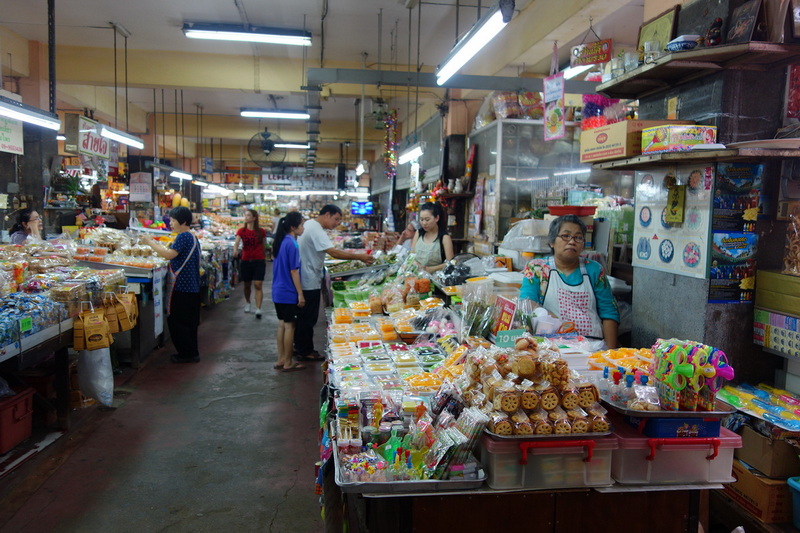
Warorot Market is one of the most useful places to begin understanding Chiang Mai through everyday commerce. Known locally as Kad Luang, it occupies a central riverside position and brings together food sellers, household goods, textiles, dried ingredients, clothing, and regional products under one busy market identity. The experience is less about a single attraction and more about seeing how residents shop, trade, and move through the city. For a first-time international visitor, the market also works well as a flexible stop within a wider itinerary. A morning visit can be paired with historic sightseeing, while a slower exploration allows time to compare products and observe the changing rhythm between indoor stalls and surrounding streets. This Warorot Market Travel Guide focuses on what makes the destination distinctive, how it fits among the Best Markets In Chiang Mai, and how tour planning can include it without making the visit feel rushed. The most rewarding approach is to arrive with curiosity rather than a strict shopping list. Notice the variety of northern Thai ingredients, ask politely before photographing people or products, and remember that this is a working market as well as a destination for visitors.
A Working Market with a Distinct Northern Character
Warorot Market has long been associated with Chiang Mai’s commercial life and remains a place where local needs and visitor interests meet. Its name, Kad Luang, is commonly understood as “big market,” a fitting description for a complex of market buildings and nearby trading areas rather than one small hall. The setting feels active and practical: shoppers compare goods, vendors arrange displays, and deliveries support the daily business of the market.
The strongest sense of place comes from the product mix. Shelves and counters may feature northern Thai sausages, preserved foods, dried chilies, spice blends, tea, coffee, nuts, fruit, and other ingredients connected with regional cooking. There are also textiles, clothing, baskets, kitchen items, and small household products. These categories make the market different from an evening event designed mainly for strolling. It is a place where food culture and ordinary shopping remain closely connected.
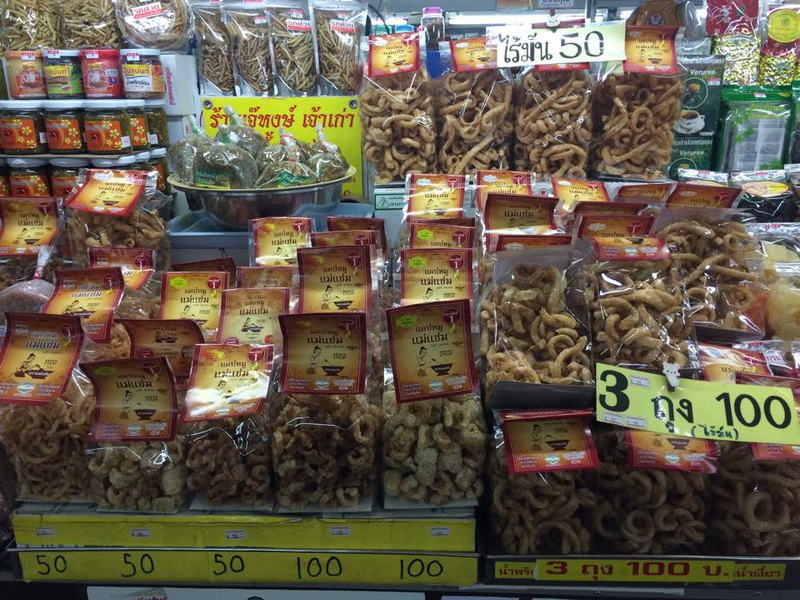
Visitors may hear the name Waroros Market or see Kad Waroros used in travel conversations and local references. These names point to the same well-known market destination. Understanding the alternatives is useful when discussing directions or reading a Chiang Mai itinerary, but the important point is the character of the place: it is a long-established urban market with a broad range of practical and regional goods.
What to Notice During a Visit
A thoughtful visit begins with orientation. The market can feel dense at first, so it helps to walk slowly and use the main aisles as reference points before deciding what to buy. Indoor areas provide a concentrated look at packaged foods, dried ingredients, textiles, and household merchandise, while the surrounding trading streets add movement and variety. Rather than trying to cover every corner, choose a few categories that interest you and leave space for unexpected discoveries.
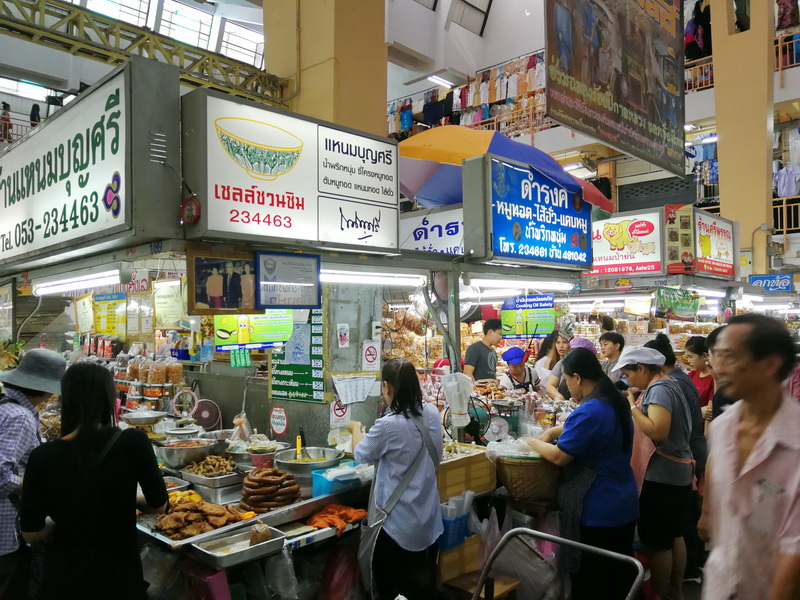
Food is a major part of the market’s identity, but the experience should not be reduced to a checklist of snacks. Regional ingredients reveal how northern Thai cooking is built: preserved flavors, aromatic herbs, chilies, rice products, and carefully prepared condiments appear alongside everyday provisions. Packaged goods can be convenient for travelers who want to take a taste of Chiang Mai home, although airline rules and destination customs should be checked before purchasing anything perishable or restricted.
Respectful behavior keeps the visit comfortable for everyone. Ask before photographing vendors, workers, or close-up product displays, and avoid blocking narrow passages while taking pictures. If sampling or buying food, observe the seller’s instructions and use the available serving practices. Bargaining should never become confrontational; where prices are not fixed, a polite question and a reasonable attitude are more appropriate than aggressive negotiation.
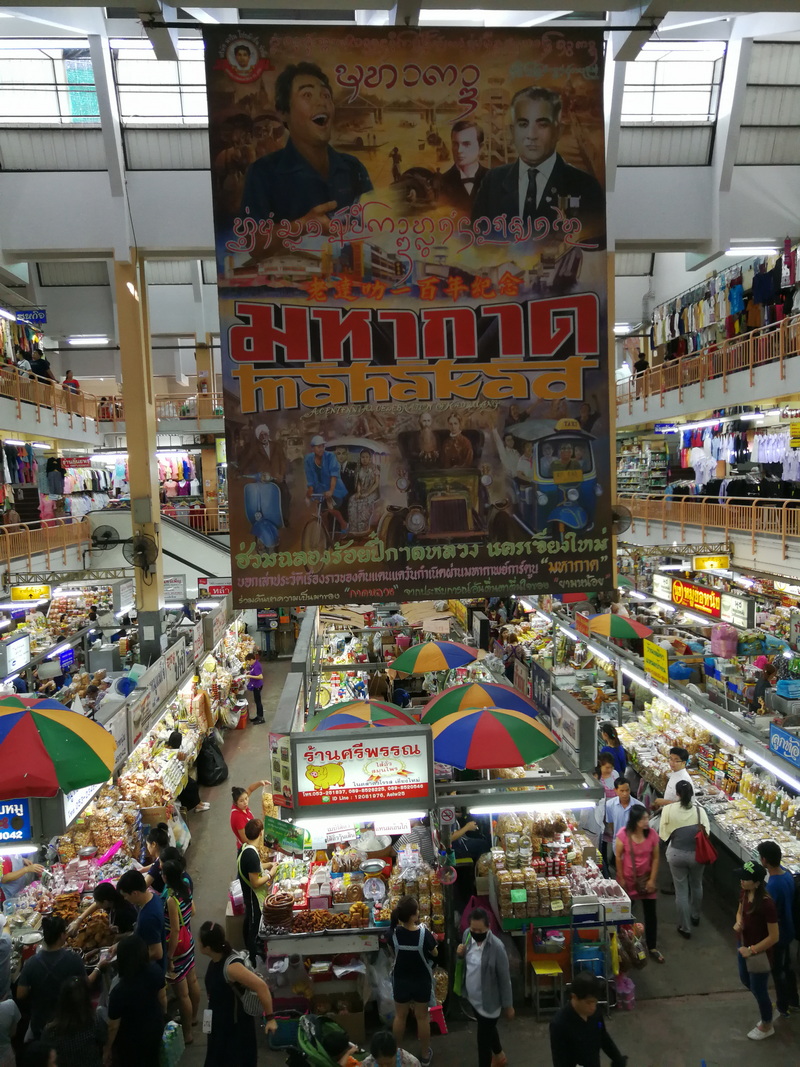
The market is also a useful place to practice simple travel awareness. Carry small amounts of cash where practical, keep personal belongings secure in crowded areas, and wear comfortable footwear. Opening times and individual stall availability can change, especially around holidays and local circumstances, so visitors should confirm current details through reliable local sources before setting out.
From Market Life to Chiang Mai Heritage
Once the market’s practical energy has given the itinerary a local foundation, nearby historical places can broaden the story of the city. These two stops offer a useful contrast without requiring the market visit to carry the entire cultural experience.
Three King Monument
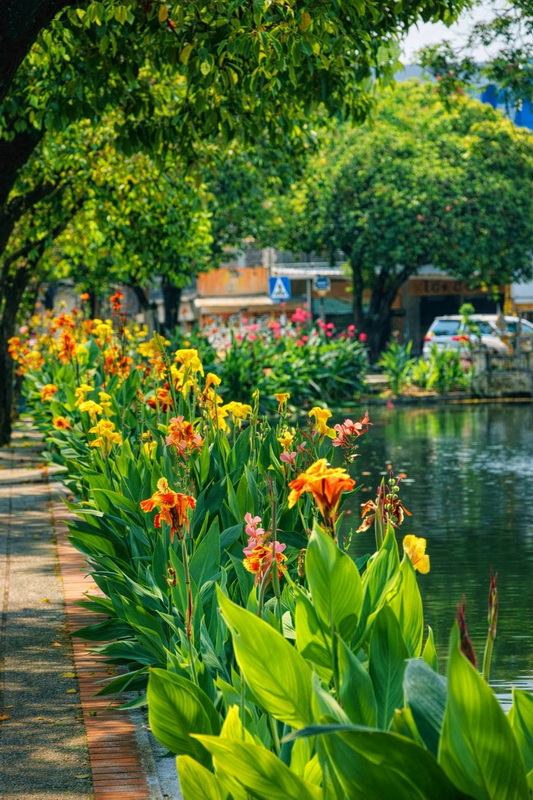
Three King Monument offers a historical counterpoint to the commercial activity of Warorot Market. Located in the old city area, the monument commemorates the traditional founding story associated with three important rulers of northern Thai history. Its open civic setting provides a place to pause and consider Chiang Mai’s political and cultural heritage after spending time among the market’s everyday exchanges.
The monument is most meaningful when approached as part of the city’s historical landscape rather than as a decorative photo stop. Visitors can read interpretive material, observe the surrounding public space, and connect the site with Chiang Mai’s wider Lanna heritage. Dress and behavior should remain considerate, particularly when local ceremonies or community activities are taking place.
Wat Chiang Man
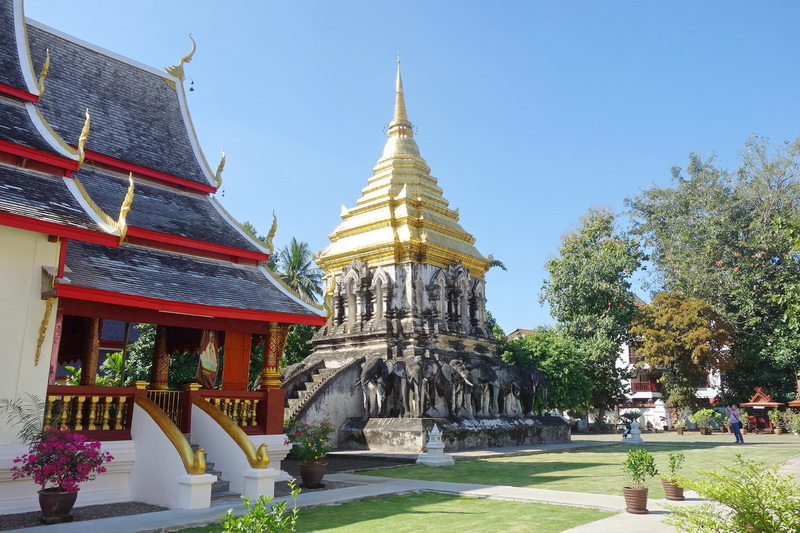
Wat Chiang Man is one of Chiang Mai’s significant historic temples and can add a quieter, architectural dimension to a market-focused itinerary. Traditionally regarded as the city’s oldest temple, it is associated with the early establishment of Chiang Mai and contains features that reflect northern Thai religious and artistic traditions. Its grounds invite slower observation after the sensory intensity of a busy market.
Visitors should treat the temple as an active religious space. Modest clothing, calm behavior, and attention to signs or restricted areas help protect the dignity of worshippers and the site itself. Instead of rushing through for photographs, take time to notice the buildings, decorative details, and relationship between the temple compound and the old city. Pairing Wat Chiang Man with Warorot Market creates a balanced route between living commerce and historical continuity.
Building Warorot Market into Chiang Mai Tours
For people comparing Tours in Chiang Mai, Warorot Market is best treated as a cultural and commercial stop rather than a complete day plan by itself. It can add local texture to an itinerary that already includes temples, historic sites, or a broader city walk. A guide may help explain unfamiliar ingredients and market customs, while independent travelers may prefer the freedom to browse at their own pace. Both approaches work when enough time is allowed for the market’s busy layout.
A short market visit can suit a half-day city route, especially when the goal is to understand Chiang Mai beyond formal monuments. A longer visit is more suitable for travelers interested in regional ingredients, textiles, or observing everyday commerce. When planning a Chiang Mai tour, consider energy levels, transport time, weather, and whether companions are comfortable in crowded indoor spaces. The market is more enjoyable when it is not squeezed between back-to-back reservations.
Search phrases such as Chiang Mai tours, Chiang Mai day tour, and market tour Chiang Mai reflect different visitor priorities. Some travelers want a guided introduction to local life; others are looking for shopping time or a practical stop near the historic center. Warorot Market can serve each purpose, but the itinerary should state clearly what is included. Visitors should check whether a tour offers transportation, guide commentary, free time, and opportunities to make purchases, rather than assuming every market stop has the same format.
Independent planning is equally straightforward in principle: reserve a portion of the day, identify the market area on a current map, and combine it with one or two nearby cultural visits. Avoid promising an exact duration because browsing habits vary. A visitor who simply wants to see the market may need much less time than someone comparing regional products or speaking with a guide about northern food traditions.
Making the Market Stop Meaningful
Warorot Market stands out because it connects regional food traditions, ordinary shopping, and Chiang Mai’s continuing urban life. It can be a focused morning visit, a guided stop within Tours in Chiang Mai, or one part of a wider route that includes historic landmarks. Plan with flexibility, behave respectfully, and allow the market to reveal itself gradually. With that approach, a visit becomes more than a shopping opportunity: it becomes a grounded way to see how culture, commerce, and travel meet in Chiang Mai.
Comments
Post a Comment