Phu Chi Fa Travel Guide for a Chiang Mai to Chiang Rai Day Tour
Plan the long road to a famous mountain viewpoint with realistic timing, route choices, and respectful visitor habits.
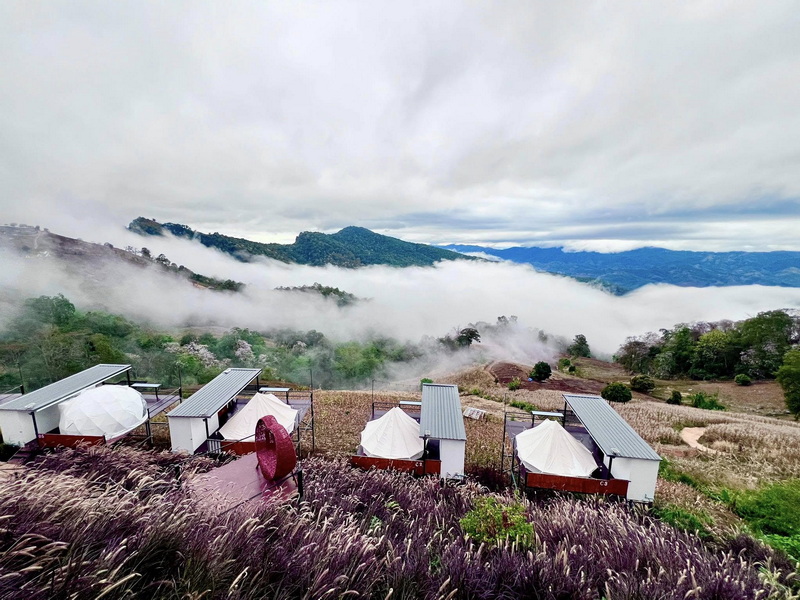
Phu Chi Fa is a mountain viewpoint in the highlands of Thoeng District, Chiang Rai Province, known for its dramatic position above a forested landscape and border region. It is not a quick stop beside Chiang Mai. The distance makes the journey a demanding day out, yet the route can be rewarding for travelers who want to see a quieter, more rural side of northern Thailand beyond the city’s familiar temples and cafés. For an independent traveler, the most useful question is not simply whether Phu Chi Fa is beautiful. It is whether the journey fits the rest of the day. A visit usually involves an early departure, several hours on the road, a short uphill walk from the access area, and a return journey that leaves limited time for unrelated sightseeing. This guide explains the main travel concepts without relying on fixed schedules, prices, or particular operators. The mountain can be approached as part of a Chiang Mai To Chiang Rai Day Tour, a private road journey, or a broader Chiang Rai itinerary with time in the province. Each option changes the balance between convenience, flexibility, and time spent traveling. Understanding that trade-off before setting out helps visitors arrive prepared rather than treating the viewpoint as an easy add-on.
Where Phu Chi Fa Fits in Northern Thailand
Phu Chi Fa lies in Thoeng District, east of the main urban area of Chiang Rai. The setting is markedly different from the city: roads pass through agricultural countryside and upland communities before reaching the mountain access area. From there, visitors generally continue on foot along a short but uneven uphill route toward the viewpoint. The final walk is manageable for many reasonably mobile travelers, although it is not a paved promenade and can feel more demanding before sunrise or in cool, damp conditions.
The practical starting point is usually Chiang Rai rather than Chiang Mai. Travelers already staying in Chiang Rai can treat the mountain as a focused excursion, while those based in Chiang Mai must account for the considerable road distance in both directions. A route from Chiang Mai normally follows the broad corridor toward Chiang Rai before turning toward the eastern highlands. Exact roads and travel times can vary with traffic, weather, roadworks, and the chosen starting point, so a current map check is important.
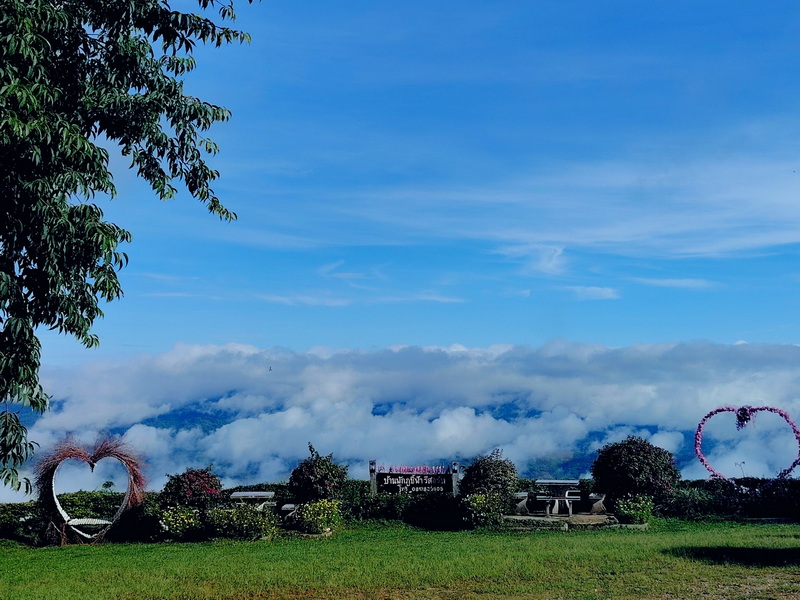
A Chiang Mai departure can make the outing feel like a full transport day with a mountain walk included. That is not necessarily a disadvantage, but it shapes expectations. The journey offers changing views of northern Thailand and a gradual transition from urban areas to rural landscapes. It also means that travelers should avoid building an ambitious list of distant attractions around the same visit unless a longer itinerary has been planned.
For visitors comparing transport ideas, the main choices are a shared or organized day excursion, a hired vehicle with a driver, or a self-drive journey where legally and practically suitable. Organized travel may simplify navigation and coordination. A driver can reduce the pressure of unfamiliar roads. Self-driving offers control over stops but requires confidence with long-distance travel, mountain roads, local conditions, and early-hour navigation. The best choice depends less on a universal recommendation than on the group’s experience and tolerance for a long day.
What a Day Tour from Chiang Mai Usually Involves
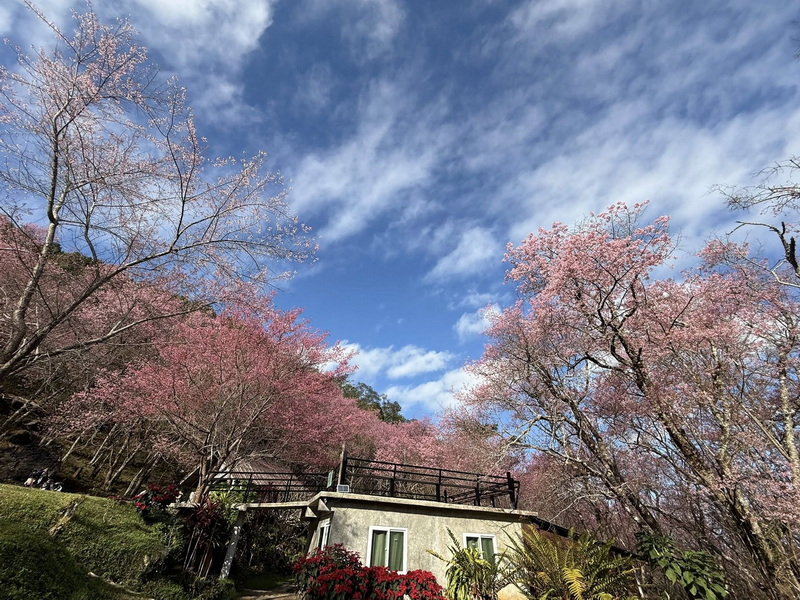
A typical day tour concept begins well before the viewpoint experience itself. The group leaves Chiang Mai early, travels toward Chiang Rai Province, and continues east toward Phu Chi Fah. After reaching the access area, visitors walk to the viewpoint, spend time taking in the scenery, and return to the vehicle. Depending on the itinerary design, the return route may include a meal stop or one carefully selected stop in the wider region, but there is no guarantee that every excursion follows the same format.
The phrase Chiang Mai To Chiang Rai Day Tour can describe very different levels of focus. Some itineraries concentrate on well-known city attractions in Chiang Rai and may not be suitable for adding a remote mountain viewpoint. Others are designed around a particular landscape or sunrise experience and accept that most of the day will be spent traveling. Before choosing a tour concept, read the route description carefully and check whether Phu Chi Fa is the principal destination or only one proposed stop.
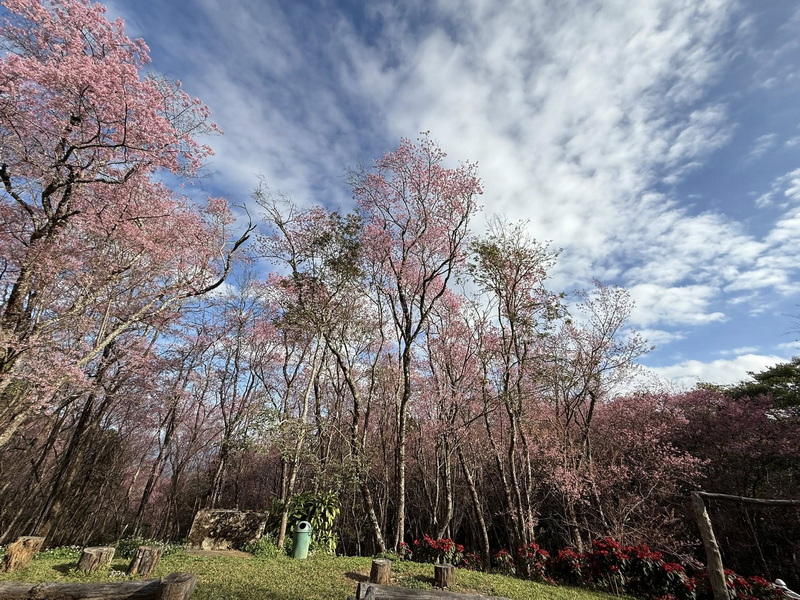
A one-day plan is most realistic when travelers accept a limited sightseeing radius. Trying to combine the mountain with numerous city landmarks can produce long stops, rushed visits, or a late return. If the main purpose is the viewpoint, allow the landscape to be the central experience. If the priority is seeing several attractions in Chiang Rai, a separate overnight base or a longer regional itinerary may be more comfortable than forcing everything into one road day.
Travelers should also ask practical questions before departure, without assuming that a general tour label answers them. How much walking is expected? Is the viewpoint visit timed for darkness, dawn, or daylight? Are meals included, or should visitors carry food and water? What happens if rain or poor visibility changes the plan? These questions concern the structure of the journey rather than a specific company, and the answers help reveal whether the outing suits children, older travelers, or anyone with mobility limitations.
Regional Stops to Weigh Against Travel Time
Once the mountain visit is placed in its proper geographic context, nearby destinations can be considered as route choices rather than automatic additions. These two places offer useful contrasts, but each should be assessed against the long return journey to Chiang Mai.
Phu Sang National Park
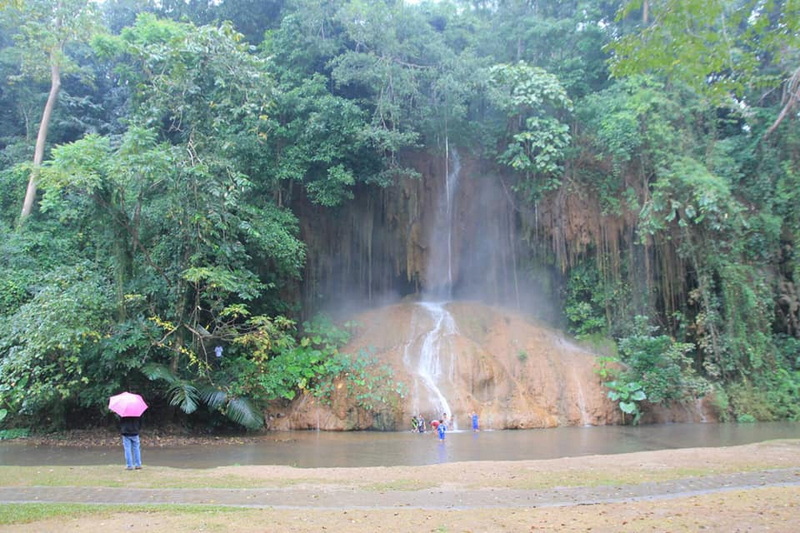
Phu Sang National Park provides a useful contrast to the exposed mountain viewpoint. Its protected landscape is associated with forest, streams, and natural features, offering a different way to experience the highlands of Chiang Rai Province. It may fit better into a longer regional route than into a tightly timed return to Chiang Mai, particularly when the day already includes the walk at Phu Chi Fa.
For planning purposes, treat Phu Sang as a separate destination rather than assuming it is immediately beside the viewpoint. Road connections, stop duration, weather, and daylight all affect whether the pairing is sensible. Visitors who include it should keep the schedule flexible and follow current local guidance about access, conditions, and responsible behavior in a protected area.
Choui Fong Tea Plantation

Choui Fong Tea Plantation offers a gentler landscape contrast, with cultivated tea fields and broad views associated with Chiang Rai’s agricultural highlands. The orderly rows and open slopes create a different visual rhythm from the rugged edge of Phu Chi Fah. It can be an appealing regional stop for travelers interested in how scenery, farming, and tourism overlap in northern Thailand.
Its usefulness on a day trip depends on the route and the time available. From Chiang Mai, adding too many separated destinations may turn an already lengthy journey into a rushed checklist. A more practical approach is to identify whether the plantation lies naturally along the planned route and then choose one principal experience for the day. Visitors should also respect working areas, follow site rules, and avoid treating local agriculture as a backdrop without regard for the people who maintain it.
Preparing for the Phu Chi Fa Viewpoint
The mountain experience begins before reaching the ridge. Conditions can change between the lower roads and the higher viewpoint, so practical layers, sturdy footwear, drinking water, and a small light are useful when arriving in darkness or cool weather. The uphill route is short compared with the drive, but uneven ground and limited visibility can affect confidence. Move at a comfortable pace and allow time to return safely to the access area.
At the top, the appeal is the broad highland setting rather than a long list of facilities or activities. Visibility may vary with clouds, haze, rain, or seasonal conditions, and no viewpoint can guarantee a particular scene. Visitors should stay within appropriate areas, avoid disturbing vegetation, and follow instructions from local staff or community representatives. Keeping noise low and carrying rubbish back out helps protect the character of the site.
Phu Chi Fah is also connected to a wider cultural and rural landscape. The route passes through communities where people live and work, so respectful behavior matters at roadside stops and near agricultural land. Ask before photographing people, avoid blocking local roads, and remember that a quiet visit can be more considerate than trying to extend the stop beyond what the conditions allow.
Make the Journey Part of the Decision
Phu Chi Fah is best approached as a highland journey, not as a casual detour from Chiang Mai. Confirm the current route, allow generous travel time, prepare for an uphill walk, and keep the itinerary focused enough to remain comfortable. Whether the trip is arranged through a general excursion or planned independently, realistic expectations make the long road worthwhile. The viewpoint is only one part of the experience; the changing countryside and regional setting are also reasons to travel this far into Chiang Rai Thailand.
Comments
Post a Comment