Exploring Queen Cham Dhavi Monument and the Story of Queen Camadevi
A respectful historical visit connecting Lamphun’s founding traditions with practical Chiang Mai travel planning
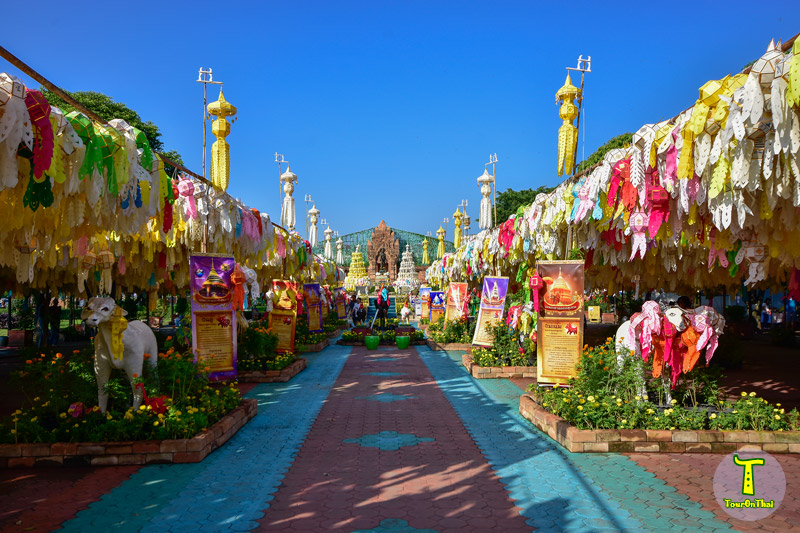
In Mueang Lamphun District, Lamphun, the Queen Cham Dhavi Monument provides a focal point for understanding one of northern Thailand’s most important historical figures. The monument honors Queen Camadevi, also known as Chamthewi or Camadevi, a ruler traditionally associated with the founding and early development of Hariphunchai, the ancient kingdom centered on present-day Lamphun. For travelers, the monument is more than a brief photo stop. It offers an introduction to the historical memory of Lamphun and a useful starting point for visiting temples, old religious sites, and other cultural landmarks in the province. Stories about Queen Camadevi combine history, local tradition, and long-standing cultural respect, so visitors are best served by approaching the site with curiosity while recognizing that some details belong to traditional accounts rather than fully documented history. A Chiang Mai Package Tour can provide a convenient regional framework for travelers who wish to explore beyond Chiang Mai city, although the monument is also meaningful as part of a self-directed cultural visit. By placing Queen Camadevi within the wider group of Lamphun Attractions, visitors can see how the monument connects with the city’s religious heritage and nearby historical sites.
Who Was Queen Camadevi?
Queen Camadevi is remembered in northern Thai history and local tradition as the first ruler of Hariphunchai, a Mon-influenced kingdom established in the Lamphun area. Traditional narratives describe her as a capable monarch who came from the central part of mainland Southeast Asia before being invited to rule the newly founded settlement. The exact chronology and details of these accounts can vary, but her association with Lamphun remains central to the province’s historical identity.
Her importance is not limited to a single royal biography. Queen Camadevi represents the formation of an early political and cultural center in the upper Ping River region. Through the story of her reign, visitors can consider how communities, religious practices, artistic traditions, and systems of governance developed across northern Thailand. The narrative also reflects the continuing importance of women in regional historical memory, particularly when connected with the establishment and protection of a kingdom.
The name appears in several forms, including Camadevi, Chamthewi, and Cham Dhavi. These variations can be seen in monument names, temple references, and local cultural materials. Rather than treating the different spellings as separate figures, travelers can understand them as related renderings of the same revered queen’s name.
Reading the Queen Cham Dhavi Monument
The Queen Cham Dhavi Monument presents Queen Camadevi in a formal statue setting, giving visitors a visible point of connection with the stories that shaped Lamphun’s identity. The figure is represented with the dignity expected of a royal memorial, and the surrounding setting encourages a respectful rather than casual interpretation. Travelers may notice people pausing quietly, offering gestures of respect, or observing the site before continuing through the city.
The monument should be viewed as part of a living heritage landscape. It is not simply an isolated historical marker, because Queen Camadevi remains a recognizable cultural figure for Lamphun residents and visitors from other parts of Thailand. The Phra Nang Chamthewi Statue and the Chamthewi Statue are names that may be used when discussing the same commemorative tradition, while Camadevi Statue is another variation encountered in travel writing.
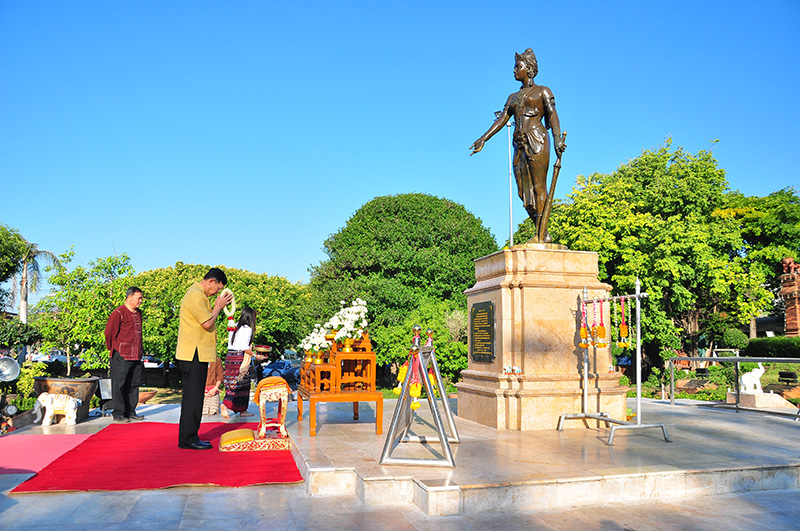
A careful visit does not require accepting every legendary detail as verified fact. Instead, the monument can be appreciated on two levels: as a memorial to a queen associated with Hariphunchai’s origins and as evidence of how communities preserve, interpret, and pass down their history. This balanced approach allows cultural tourists to show respect while remaining attentive to the difference between historical evidence and traditional storytelling.
How the Monument Fits Lamphun Attractions
The monument works best as an introduction to Lamphun rather than the sole purpose of a visit. Lamphun’s historic character is shaped by its temples, old settlement area, religious monuments, and continuing local traditions. A visit to the Queen Cham Dhavi Monument can therefore lead naturally into broader questions: Why did Hariphunchai develop here? How did Buddhist institutions influence the city? Which buildings and sacred places preserve links with its early history?
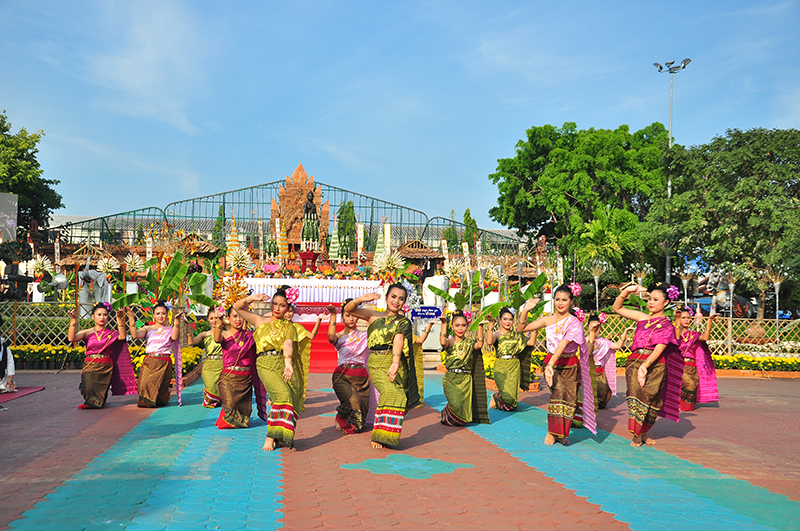
Among Lamphun Attractions, sites connected with ancient religious traditions are especially valuable for travelers interested in cultural context. Temples and monuments may contain architectural details, inscriptions, legends, or artistic forms that help place Queen Camadevi’s story within a much larger regional history. Visitors should allow time to observe these places carefully rather than treating them as a checklist of stops.
The city’s scale also supports a slower style of exploration. Instead of rushing between major destinations, travelers can pay attention to changes in architecture, shrine etiquette, local activity, and the relationship between historical sites and contemporary neighborhoods. This makes the monument relevant not only to people seeking royal history, but also to anyone wanting to understand how Lamphun’s past remains visible in everyday surroundings.
Connecting a Chiang Mai Visit with Lamphun
Lamphun is close enough to Chiang Mai to be included in wider northern Thailand travel planning, making it a natural cultural extension for visitors based in the Chiang Mai region. A Chiang Mai Package Tour may frame the province as a day of heritage exploration or as one part of a broader regional program. Because package contents differ, travelers should check what a particular plan actually includes rather than assuming that every tour visits the monument.
The value of this connection is geographical as well as historical. Chiang Mai is often the best-known destination in the region, while Lamphun offers a quieter perspective on earlier northern history. Including the Queen Cham Dhavi Monument in a regional travel plan helps visitors move beyond a single city narrative and recognize that the cultural landscape of the north developed through several centers and communities.
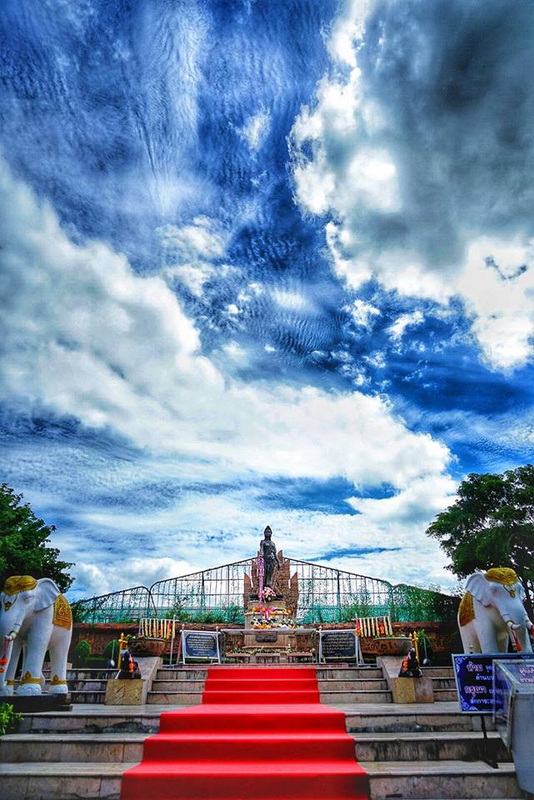
Travel planners should consider the purpose of their visit before choosing between an organized package and independent sightseeing. A package can provide regional structure and historical interpretation, while an independent visit may allow more time for reflection at the monument and nearby temples. In either case, modest clothing, considerate behavior, and attention to local customs are appropriate at a royal memorial and at religious sites.
What Cultural Travelers Should Notice
The most rewarding way to approach the monument is to begin with the story, then observe the setting. Notice how the statue communicates authority, how the surrounding area is maintained, and how visitors conduct themselves. These details reveal that a monument can function simultaneously as a historical reference, a civic landmark, and a place of respect.
It is also useful to compare the monument with other Queen Camadevi references in Lamphun. Different sites may emphasize royal tradition, religious history, or local memory. Reading brief background information before arriving can make these connections easier to recognize, but visitors should remain open to variations in spelling and interpretation. Local guides, museum materials, and temple information may present different emphases without necessarily contradicting the central association between the queen and Hariphunchai.
Photography should not replace attention to the site. Visitors can take images where appropriate, but they should avoid disruptive behavior, climbing on structures, or treating respectful activity as entertainment. A few quiet minutes spent considering the monument’s role in Lamphun can provide more lasting understanding than a hurried stop. This is particularly important for cultural tourists who want to support responsible heritage visits.
Nearby Attractions
Kruba Sri Wichai Monument
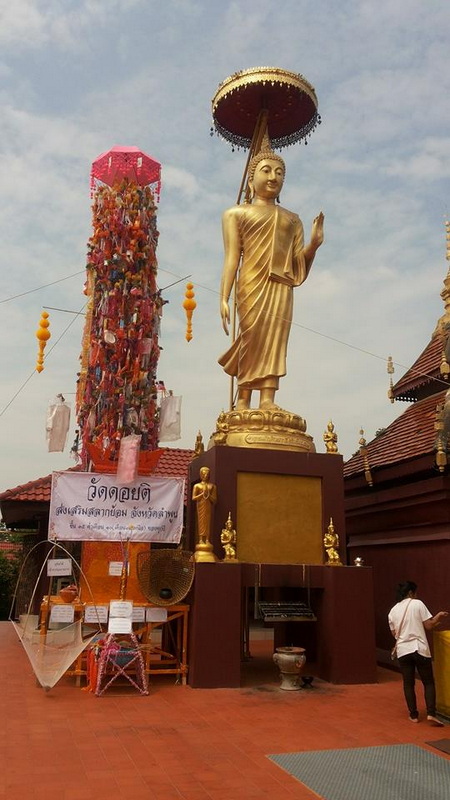
The Kruba Sri Wichai Monument adds a later layer to a visit focused on Queen Camadevi. Kruba Sri Wichai is widely respected in northern Thailand as a Buddhist monk associated with religious devotion and the development of important northern pilgrimage and temple connections. His memorial helps travelers see that Lamphun’s cultural landscape is shaped by more than its ancient royal origins.
Placed alongside the Queen Cham Dhavi Monument in a broader cultural visit, it creates a useful comparison between two revered figures from different historical periods. One represents the remembered founding era of Hariphunchai, while the other reflects the influence of a modern-era religious teacher. Visitors should approach both monuments quietly and observe local etiquette.
Wat Phra Yuen
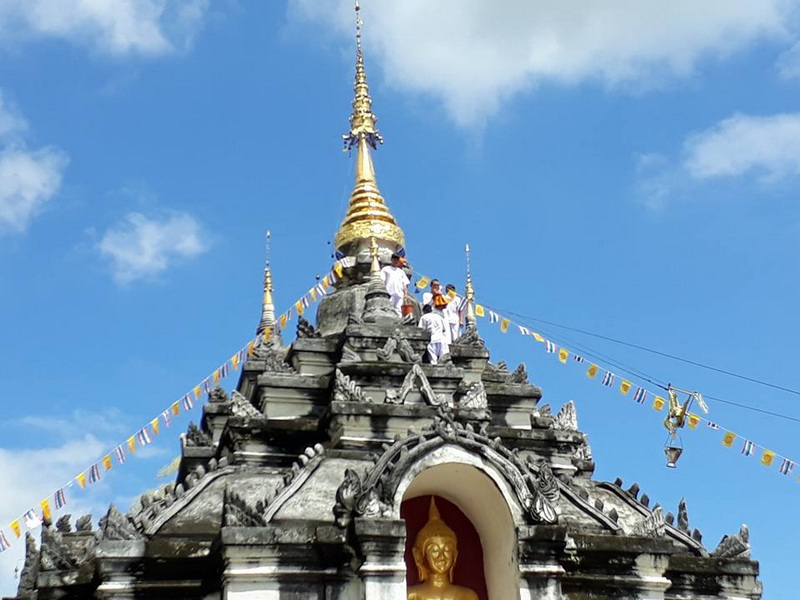
Wat Phra Yuen is another meaningful point of interest for travelers exploring Lamphun’s religious heritage. Its temple setting contributes to an understanding of how Buddhism has shaped the city’s architecture, community life, and historical identity. The site can complement the monument by shifting attention from the memory of a founding queen to the continuing role of religious institutions.
When visiting Wat Phra Yuen, travelers can look beyond individual architectural details and consider the wider relationship between sacred places and the historic city. As with other temples, respectful dress and quiet conduct are important. Together with the Queen Camadevi memorial, Wat Phra Yuen helps form a cultural narrative that links royal tradition, religious continuity, and the living character of Lamphun.
Looking Ahead to Your Visit
The Queen Cham Dhavi Monument offers a concise but significant introduction to Queen Camadevi and the history associated with Hariphunchai. Its value becomes clearer when connected with Lamphun’s temples, later religious memorials, and enduring local traditions. Whether included through a Chiang Mai Package Tour or planned as an independent cultural visit, the monument deserves a calm and respectful approach. For travelers comparing Lamphun Attractions, it provides an especially useful beginning: a place to encounter the province’s founding story before exploring the wider heritage landscape that grew around it.
Comments
Post a Comment