Doi Luang National Park and the Northern Thailand Day Tour Connection
A practical nature-focused guide to mountain landscapes between Chiang Mai and Chiang Rai
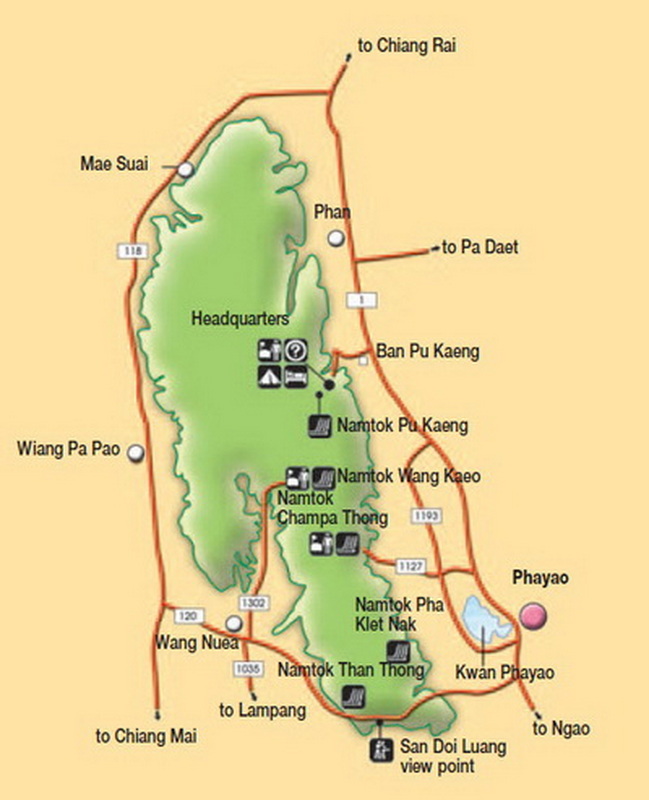
Northern Thailand is often introduced through its historic cities, temple routes, and lively markets, yet its mountain parks reveal another side of the region. Forested ridges, seasonal streams, and highland viewpoints create a broad natural setting that links several provinces rather than stopping at one city boundary. For visitors planning a journey between Chiang Mai and Chiang Rai, this wider landscape can add depth to an otherwise city-focused route. Doi Luang National Park is especially useful to understand in that regional context. Located across parts of Chiang Rai, Phayao, and Lampang, the park protects a substantial section of the Phi Pan Nam mountain range. It is not simply an urban attraction that can be added casually between two landmarks; it is a nature destination whose access, walking conditions, and travel time deserve careful thought. This guide places the park within the network of National Parks In Northern Thailand and explains how a Chiang Mai To Chiang Rai Day Tour might be adapted for travelers who value forests and mountain scenery. The emphasis is on realistic planning, ecological appreciation, and knowing when a park visit suits a regional journey better than a rushed stop.
A Mountain Park Within Northern Thailand’s Wider Landscape
Doi Luang National Park occupies a mountainous area in northern Thailand where Chiang Rai, Phayao, and Lampang meet. Its landscape is shaped by ridges, valleys, streams, and forest rather than by a single isolated summit. The park’s highest point, Doi Luang, rises to approximately 1,694 metres, giving the protected area a distinct highland character and helping explain the cooler conditions that can occur at elevation.
The park is part of the Phi Pan Nam range, a chain of mountains important to the geography of the upper north. Forested uplands influence watersheds and provide a natural transition between settled agricultural areas and higher terrain. This setting gives Doi Luang a significance beyond scenic viewpoints: it is also part of a larger environmental system in which water, forest, and mountain habitats are connected.
For people comparing National Parks In Northern Thailand, Doi Luang stands out through its regional scale and cross-provincial position. In travel planning, Doi Luang Chiang Rai is a useful shorthand for locating the park within the northern route, although the protected area also extends into Phayao and Lampang. The experience is generally quieter and more landscape-led than a sightseeing stop in a major city. Visitors should approach it with the expectations of a protected mountain area: conditions may vary by season, some routes may involve walking on uneven ground, and the natural environment is the main attraction rather than a tightly programmed series of facilities.
What Makes Doi Luang Worth the Detour
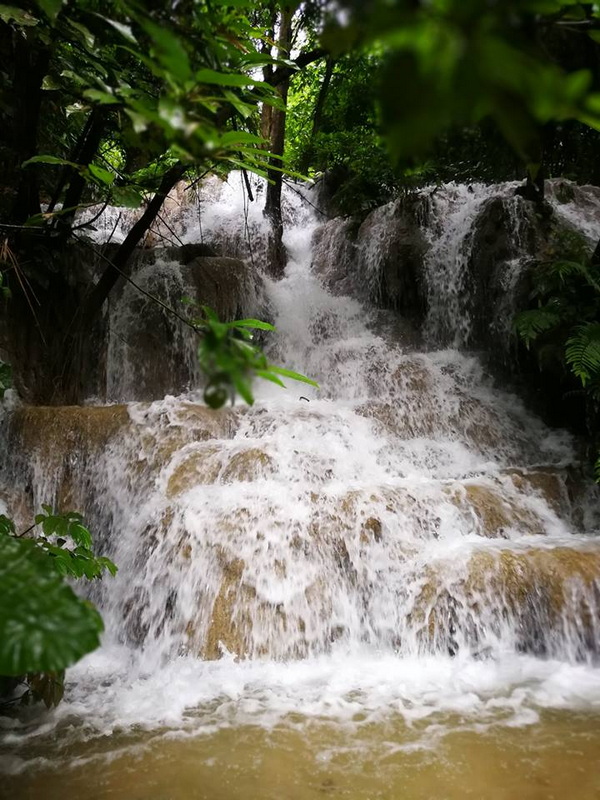
The appeal of Doi Luang lies in the relationship between elevation and forest. Different parts of the park can present changing vegetation, from lower woodland and mixed forest to cooler upland areas. Seasonal streams and waterfalls add movement to the landscape, while open points along trails or ridges can provide broad views over the surrounding countryside when weather conditions are favourable.
These features make the park suitable for travelers who enjoy observing a natural setting at a slower pace. A walk may be more rewarding than trying to collect many separate attractions, because the character of the area emerges through details: shaded paths, changing sounds, exposed rock, leaf litter, and distant ridgelines. Weather can alter visibility quickly, so a cloudy day does not necessarily make the visit unsuccessful; it may instead highlight the atmosphere of the forest.
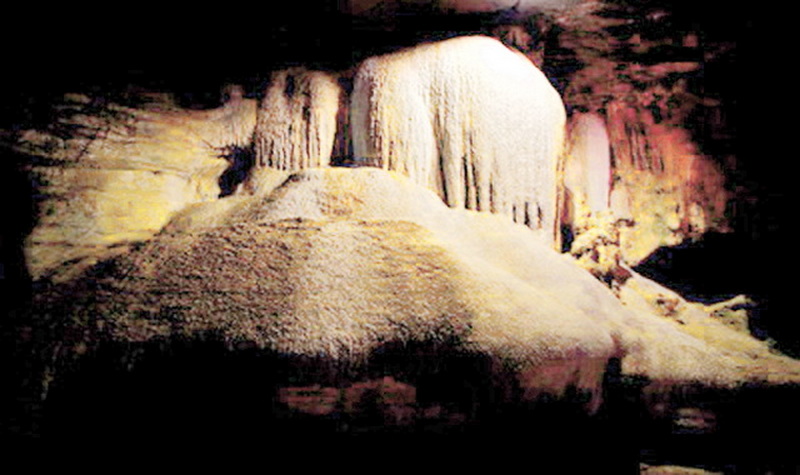
A responsible Visit Doi Luang National Park experience should remain low-impact. Staying on designated routes where applicable, carrying waste out, avoiding loud behaviour, and refraining from disturbing plants or animals are simple ways to support conservation. Wildlife is present in protected forest ecosystems, but sightings are never guaranteed and should not be treated as the purpose of the journey. The park is best appreciated as a living habitat, not as a display arranged for visitors.
The area can also be rewarding for photographers and landscape observers, although early light, mist, and clear horizons depend on weather and access conditions. Rather than planning around a particular view, it is wiser to leave room for the forest itself to shape the day. This approach also helps visitors remain flexible when trails, streams, or viewpoints are affected by seasonal conditions.
Connecting the Park with Travel Between Chiang Mai and Chiang Rai
A Chiang Mai To Chiang Rai Day Tour usually focuses on the best-known cultural and urban highlights along the route, while Doi Luang occupies a more natural and less central position. The park may therefore work better as a deliberate nature extension than as an automatic inclusion in a standard sightseeing schedule. Its location and the time needed for road travel mean that travelers should decide early whether forest walking is a priority.
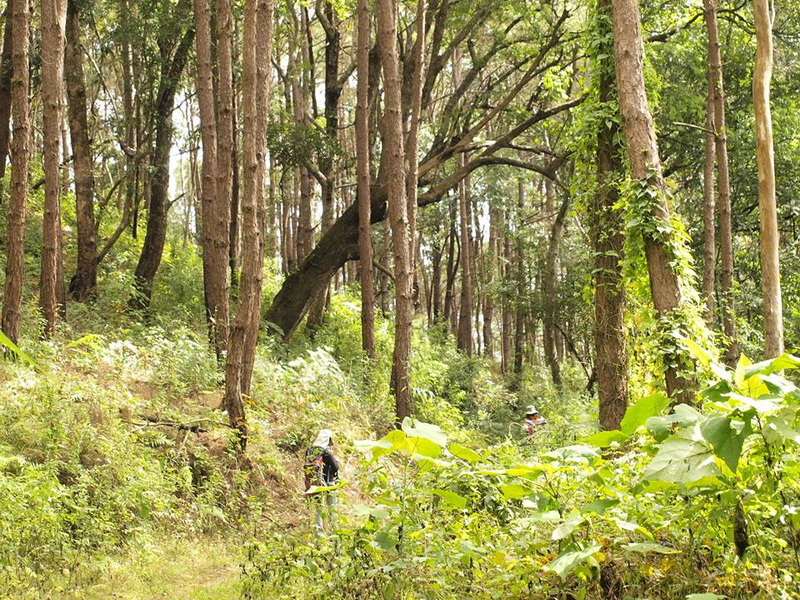
For an independent traveler, one practical approach is to treat the journey as a regional route rather than a checklist. A visit can be considered when the chosen road connection, available daylight, and desired time in the park align. This might mean accepting fewer city attractions in exchange for a longer landscape-focused stop. The important point is not to promise a fixed sequence, because road conditions, weather, and local access information can affect the day.
Travelers using a Chiang Mai to Chiang Rai travel service should ask whether the route genuinely accommodates a national park visit or simply passes through the broader province. A clear conversation about walking time, transport access, flexibility, and the expected level of outdoor activity can prevent mismatched expectations. A vehicle-based sightseeing tour and a nature-focused park visit are different experiences, even when they occur in the same region.
The distance from Chiang Mai makes a dedicated overnight-style plan more comfortable for many nature lovers, although the exact arrangement depends on a traveler’s wider itinerary. Those determined to visit during a single regional day should be realistic about how much time remains for walking after transfers. The park should not be added at the end of an already crowded schedule if that would reduce the visit to a hurried photo stop.
Planning a Calm and Flexible Park Visit
Before setting out, check current information from official park or local tourism sources, particularly for seasonal access, weather, trail conditions, and any temporary closures. Mountain environments can change quickly during the wet season, while dry-season haze may reduce distant views. Conditions in northern Thailand also vary between lower valleys and higher ridges, so the forecast for a city may not describe the mountain accurately.
Comfortable walking shoes, sun protection, drinking water, light rain protection, and a small day bag are sensible basics. Clothing should suit both warm lowland travel and cooler conditions at elevation. Visitors planning to spend time on trails should allow more energy than they would for a city attraction, especially where surfaces are steep, muddy, or uneven. It is also helpful to carry a charged phone, though connectivity should not be assumed in every part of a forested area.
Timing matters because daylight, weather, and transport all shape the experience. Beginning with a realistic plan leaves room for pauses and reduces pressure to walk in poor light. Travelers should also avoid treating a map distance as a reliable measure of journey time; mountain roads can be slower than urban routes, and stops for safety or local conditions may be necessary.
Respect for nearby communities is equally important. The park exists within a wider lived landscape that includes villages, farms, roads, and local livelihoods. Visitors should follow instructions, avoid blocking access, purchase services thoughtfully where appropriate, and behave considerately at community facilities. Responsible travel is not only about protecting forests; it also means recognizing that the region is home to people whose daily lives continue beyond the visitor route.
Finally, keep the itinerary adaptable. If heavy rain, poor visibility, or access limitations make a planned walk unsuitable, a flexible traveler can appreciate the surrounding countryside or revise the route rather than forcing an unsafe visit. This practical attitude is one of the most valuable parts of a Doi Luang National Park Travel Guide, because conditions in a mountain environment cannot be controlled like a museum timetable.
Making Space for the Mountains
Doi Luang National Park adds a valuable nature perspective to travel in the upper north. Its forests, ridges, and watershed landscapes show why the region’s protected areas deserve to be considered as part of a connected mountain network, not merely as optional photo stops. For travelers moving between Chiang Mai and Chiang Rai, the park can fit a thoughtful day-trip plan when time, transport, weather, and walking expectations are aligned. The most rewarding visit is likely to be the one that leaves room for quiet observation, responsible behaviour, and changes in mountain conditions.
Comments
Post a Comment