Choui Fong Tea Plantation and Day Tours from Chiang Mai to Chiang Rai
A practical route from Chiang Mai to tea-covered hills, regional scenery, and thoughtful Chiang Rai sightseeing
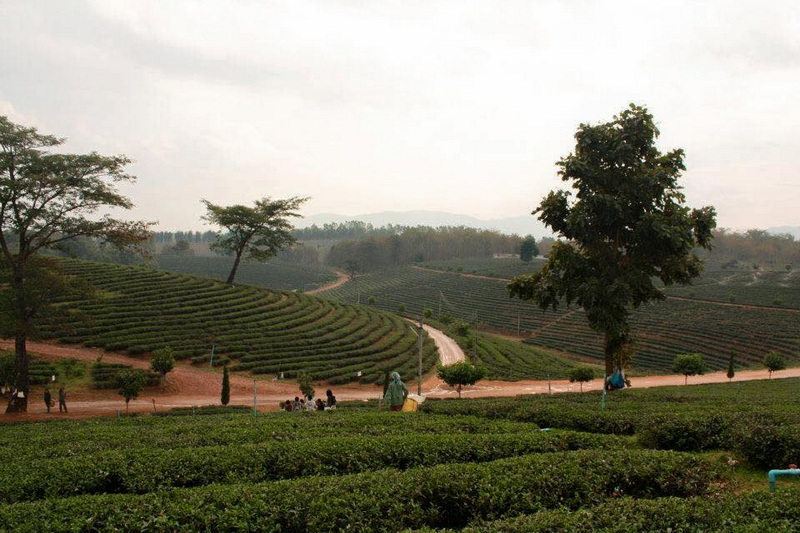
Chiang Rai Thailand offers a very different day-trip atmosphere from the busier northern capital of Chiang Mai. The province is known for broad mountain landscapes, distinctive temples, tea-growing areas, and communities shaped by the geography of the far north. For visitors based in Chiang Mai, a journey north can become a full day of contrasting scenery rather than a single-stop excursion. Choui Fong Tea Plantation is especially well suited to this kind of itinerary. Set in Mae Chan District, the plantation brings agriculture, landscape, and a relaxed visitor experience together. Its carefully shaped tea fields create the visual appeal many travelers expect from a Tea Plantation Chiang Rai visit, while the setting also offers a chance to think about how regional products are grown and presented. The main planning challenge is distance. Chiang Rai and the plantation are not quick add-ons to a short Chiang Mai outing, so travelers should approach the journey as a long day with a clear order of stops. The most comfortable plans leave room for scenery, refreshments, photographs, and unhurried observation instead of trying to collect every famous attraction in one schedule.
Why Chiang Rai Works as a Day Trip from Chiang Mai
Chiang Rai lies in the upper part of northern Thailand, in a region where valleys, foothills, and agricultural land meet. The journey from Chiang Mai gradually changes the visual character of the trip: urban areas give way to open countryside, and the northern landscape becomes an important part of the experience. This is one reason a day in Chiang Rai feels more substantial than a simple transfer between two attractions.

A first-time visitor should treat the province as a destination with its own identity, not merely an extension of Chiang Mai. Chiang Rai’s attractions include religious sites, rural viewpoints, local food traditions, and working agricultural areas. Choui Fong Tea Plantation fits into that wider picture because it presents the province through cultivation and landscape rather than only through monuments or city sights.
The plantation is in Mae Chan District, north of Chiang Rai city. That location matters when building an itinerary. A plan that includes the tea fields should allow the plantation to anchor the northern part of the day, with other stops selected according to direction and personal interests. This creates a more coherent route than moving repeatedly between distant points.
For international visitors, the appeal is also practical and visual. The tea-covered slopes are easy to appreciate without specialist knowledge, while the agricultural setting adds context to the products served and sold at the site. Observing the fields respectfully, staying on permitted paths, and remembering that the landscape represents ongoing work are simple ways to be a considerate guest.
Choosing a Chiang Mai To Chiang Rai Day Tour
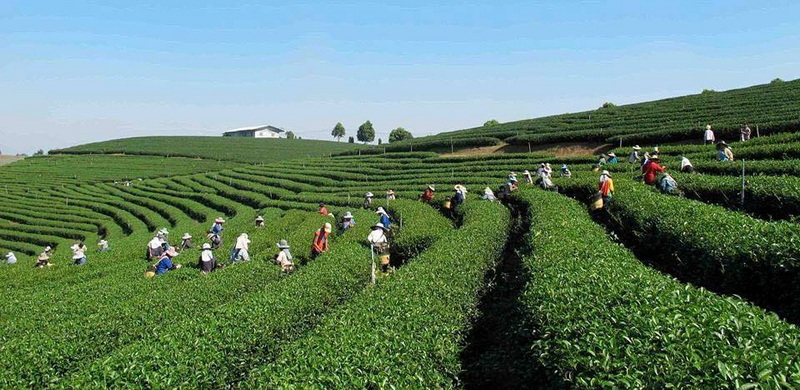
A Chiang Mai To Chiang Rai Day Tour can be useful for travelers who want structure on a long travel day. The key decision is not simply whether a tour includes the plantation, but whether its overall rhythm matches the traveler’s priorities. Some visitors prefer a broad introduction to Chiang Rai, while others would rather spend meaningful time among the tea fields and limit the number of additional stops.
Before choosing an itinerary, check how much time is allocated to travel, meals, sightseeing, and independent exploration. Exact schedules can change, and operating arrangements vary, so current details should always be confirmed directly with the provider. More generally, a good plan should make the plantation a genuine stop rather than a rushed photo break between unrelated destinations.
Independent travelers can use the same principle when arranging a private vehicle or self-directed route: identify the main purpose of the day first. If the priority is landscape photography and tea culture, begin with the plantation or place it at a point when daylight and energy are favorable. If the focus is on several major sights, accept that each location may receive less time.
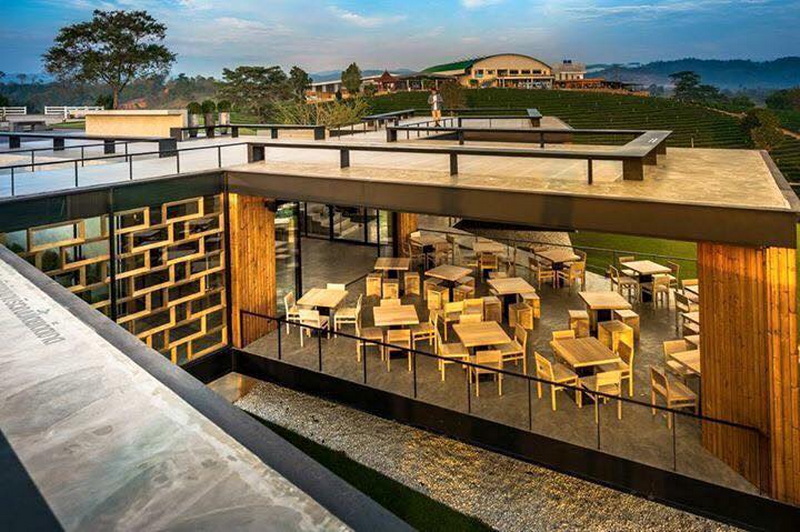
Comfort also deserves attention. The day may involve extended periods of sitting, changing weather, and walking on sloped or uneven ground. Light clothing, sun protection, drinking water, and comfortable shoes are sensible choices. A small amount of flexibility is valuable because road conditions, meal stops, and time spent observing the scenery cannot always be predicted precisely.
Most importantly, avoid measuring success by the number of locations visited. Northern Thailand rewards a slower look at its surroundings. A day trip that returns with a clear impression of the mountains, the tea-growing landscape, and one or two carefully chosen cultural stops can be more satisfying than a crowded checklist.
Two Meaningful Additions to the Route
Once the main tea-growing landscape is understood, the surrounding area offers two different ways to broaden the day. One emphasizes the natural forces beneath the ground, while the other invites quiet attention to a forest religious setting.
Pa Tueng Hot Springs
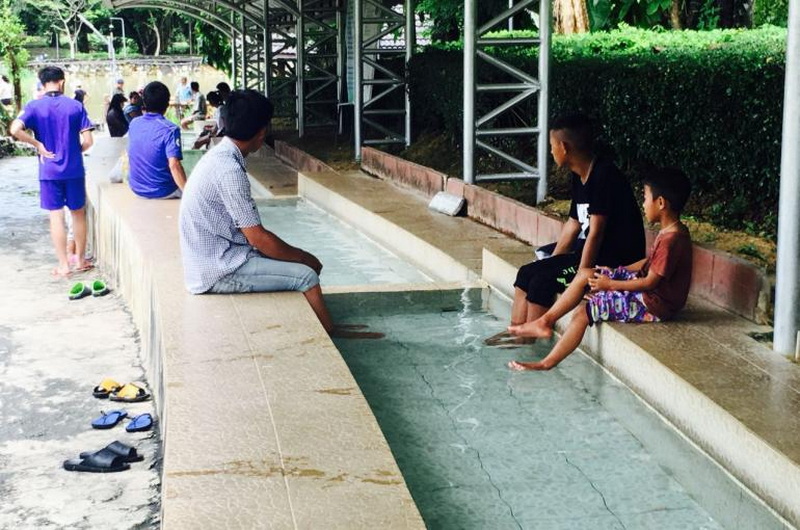
Pa Tueng Hot Springs offers a natural contrast to the elevated tea fields. The area is associated with geothermal water and provides a different way to experience the region’s landscape. Rather than viewing the countryside from a cultivated slope, visitors can consider the underground heat and natural processes that shape the area.
This stop can work well for travelers who appreciate a change of pace after visiting the plantation. However, the length of time available will depend on the day’s route and current conditions. Treat it as a complementary experience, not an automatic requirement, and follow local guidance around bathing areas, walkways, and other visitor facilities.
Acha Thong Forest Monastery
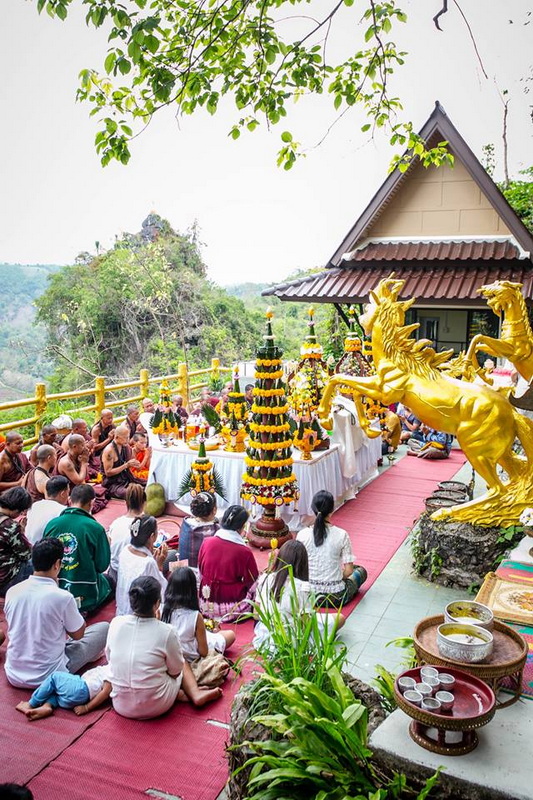
Acha Thong Forest Monastery introduces a quieter cultural dimension to the wider Chiang Rai landscape. Its setting connects Buddhist practice with forest surroundings, offering visitors an opportunity to observe a place of worship with attention and restraint. The value of the visit lies less in rushing through a sightseeing list and more in appreciating the calm relationship between the monastery and its environment.
Visitors should dress modestly, keep voices low, and follow any instructions concerning photography or access. Religious sites are living places rather than staged attractions, so respectful observation is essential. When included in a day route, the monastery can balance the plantation’s agricultural focus with a perspective on local spiritual life.
Planning Time at Choui Fong Tea Plantation
The plantation deserves enough attention to make its setting meaningful. Visitors can look beyond the most photographed rows and notice the relationship between the shaped tea fields, the surrounding hills, and the work of cultivation. Choui Fong Chiang Rai is best approached as an agricultural landscape with a visitor area, not only as a scenic backdrop.
A thoughtful visit can include time for photographs, a quiet look across the slopes, and an opportunity to consider how tea production contributes to the identity of northern Thailand. Stay within areas open to visitors, avoid disturbing plants or workers, and follow any instructions provided on site. These simple choices help protect the working environment while allowing guests to enjoy the experience.
Because the plantation is one part of a longer day, decide in advance whether the main goal is scenery, local products, or a broader understanding of the region. Clear priorities make it easier to choose additional stops without making the route feel rushed.
Making the Plantation the Center of the Day
A visit to Choui Fong Tea Plantation works best when it is planned as part of a considered Chiang Rai route, not treated as a hurried detour from Chiang Mai. Allow time for the journey, read the landscape as an agricultural setting, and choose nearby stops that genuinely suit your interests. Whether the day includes Pa Tueng Hot Springs, Acha Thong Forest Monastery, or simply a longer pause among the tea fields, thoughtful pacing will make the experience more rewarding. With realistic expectations and respectful behavior, first-time visitors can enjoy both the scenery and the regional context behind it.
Comments
Post a Comment