Buatong Field at Doi Mae U-Kor for Thoughtful Mae Hong Son Tours
How to compare tour styles and choose a Chiang Mai agency for a scenic Mae Hong Son journey
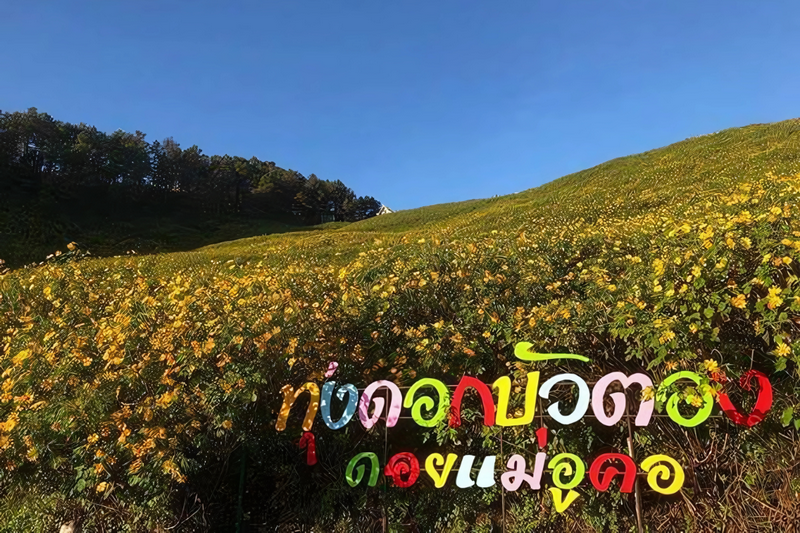
Buatong Field at Doi Mae U-Kor is one of Mae Hong Son’s most distinctive seasonal landscapes. In the flowering period, the mountain slopes of Khun Yuam District are covered with yellow Mexican sunflower blooms, creating a broad natural panorama rather than a conventional garden display. The setting is especially appealing to travelers who want a tour shaped around scenery, mountain roads, photography, and a slower appreciation of northern Thailand. For visitors starting in Chiang Mai, the main decision is not simply whether to visit the field. It is how to choose a tour style and a local agency that can present the destination responsibly. A useful itinerary should recognize the long-distance nature of travel through Mae Hong Son, allow room for changing mountain conditions, and explain what makes the landscape meaningful without overstating what a package includes. This guide focuses on comparing the Best Mae Hong Son Tours From Chiang Mai by planning approach rather than price or promotional claims. It also explains what a Tour Agency Chiang Mai can contribute, from matching travelers with suitable transport and guiding styles to helping combine the flower field with nearby natural attractions such as Kaew Komol Cave and Phu Chi Per.
Why the Doi Mae U-Kor Landscape Matters
The attraction is commonly known as Buatong Field at Doi Mae U-Kor, while other references use Doi Mae U Kor, Doi Mae U-Kho, or Thung Bua Tong. These names point to the same memorable mountain landscape in Khun Yuam District, Mae Hong Son. Its character comes from scale: the yellow blooms spread across open hills and ridgelines, contrasting with the darker greens of surrounding forest and the layered silhouettes of the highlands.
This is a seasonal natural attraction, so its visual character changes during the year. The flowering period is the reason most visitors plan a journey here, but exact conditions can vary with weather and local cultivation cycles. A careful tour description should therefore present the field as a seasonal experience rather than promise a fixed level of bloom. Travelers who value photography may also appreciate the changing light, cloud cover, and mountain atmosphere, all of which influence how the landscape appears.
The field is best approached as a place for observation rather than hurried sightseeing. Visitors can look across the slopes, notice how the flowers follow the contours of the land, and consider the relationship between agriculture, tourism, and local livelihoods. Respectful behavior matters: remain in designated viewing areas where indicated, avoid damaging plants, and treat local residents and working landscapes with courtesy.
Comparing the Best Mae Hong Son Tours From Chiang Mai
The Best Mae Hong Son Tours From Chiang Mai will differ according to the traveler’s priorities. Some itineraries are designed around scenic mountain landscapes and photography, while others combine the flower field with caves, viewpoints, cultural stops, or additional destinations in Mae Hong Son Province. Because the route is part of the experience, travelers should examine the balance between time on the road and time at the attraction instead of judging a tour by its title alone.
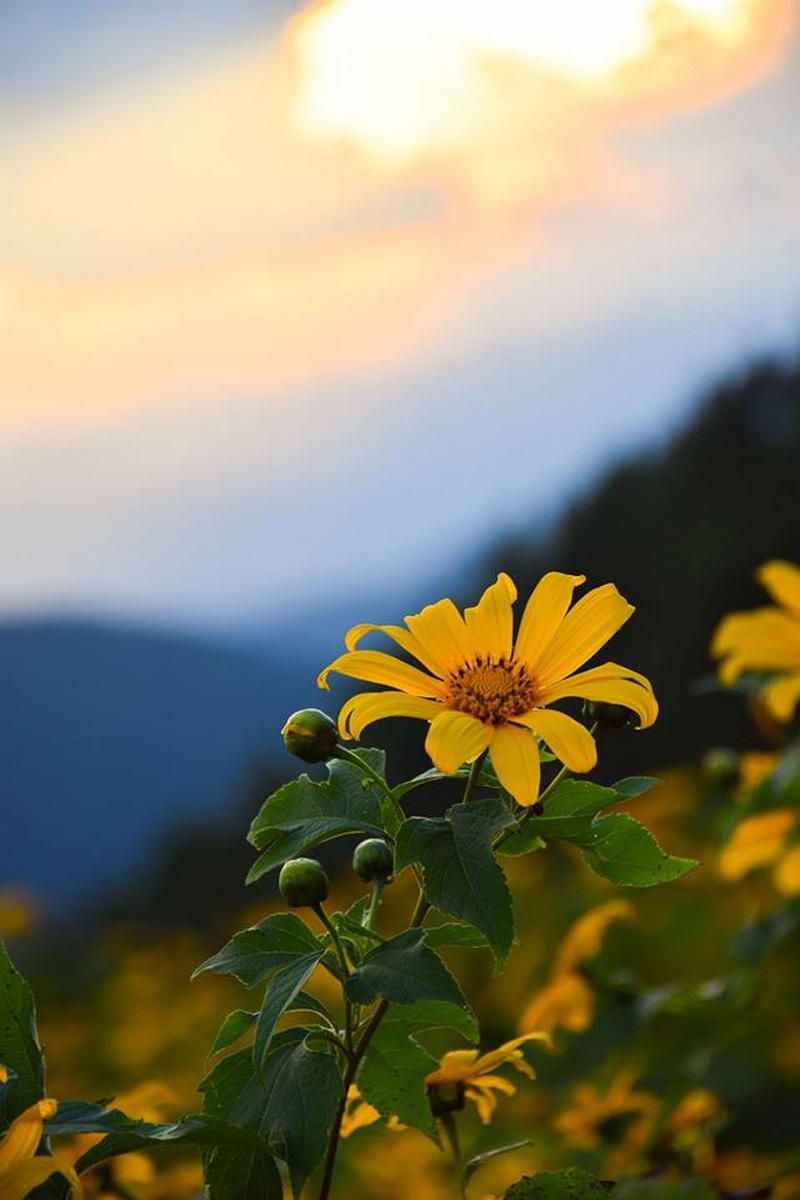
A scenery-focused tour may suit visitors who want to concentrate on Buatong Field Doi Mae U-Kor and observe the highland environment without filling every part of the day with separate stops. A broader regional tour may be more appropriate for travelers who want context, adding places such as Kaew Komol Cave or Phu Chi Per to create a varied experience. Neither format is automatically better; the right choice depends on whether the priority is concentrated nature viewing, geological interest, panoramic scenery, or a more comprehensive introduction to Mae Hong Son.
Travelers should ask how the tour describes its route, the expected pace, and the role of the guide. Clear answers are more useful than vague claims about being the best. A quality provider should explain which elements are confirmed, which depend on local conditions, and whether the itinerary is intended for photography, general sightseeing, or deeper interpretation. It is also sensible to ask how much flexibility exists if weather affects views or if the flowering landscape differs from expectations.
The road journey itself deserves attention. Mae Hong Son’s mountain geography means that a trip from Chiang Mai can feel very different from a short city excursion. Travelers who are sensitive to winding roads should discuss the journey with an agency before booking and choose a format that matches their comfort and energy. This is practical planning, not a criticism of the destination: the highland setting is precisely what gives the region its distinctive scenery.
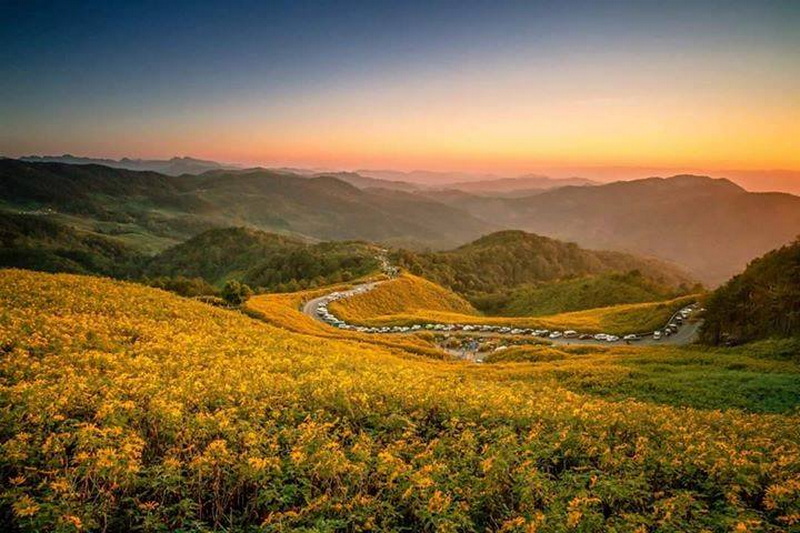
What a Chiang Mai Tour Agency Can Actually Do
A Tour Agency Chiang Mai serves as a planning intermediary between visitors and the destination. Its value lies in helping travelers interpret their needs and identify a suitable local arrangement, rather than simply selling a named package. An agency may discuss preferred travel pace, interest in nature or photography, group size, language needs, and the combination of attractions that makes sense for the available trip length.
Agencies can also help clarify the difference between a guided experience, a driver-supported journey, and a more structured sightseeing program. These formats involve different levels of explanation and coordination. A guide may provide geographic, environmental, or cultural context, while a driver-focused arrangement may place more responsibility on the traveler to decide how deeply to explore each stop. The important point is to understand the service being considered before assuming what it includes.
Good communication is a sign of useful agency support. Before selecting a provider, ask for a written outline of the proposed route, the responsibilities of the agency, the meeting arrangements, and the approach to changes caused by weather or local conditions. Questions should be answered directly, without pressure to accept unverified guarantees. Travelers can also ask whether the agency works with people who know the Mae Hong Son area and whether cultural references will be presented respectfully.
A local agency should not be expected to control nature. No responsible provider can guarantee peak blooms, clear mountain views, or identical conditions on every visit. Instead, the agency’s role is to help set realistic expectations, coordinate the journey, and offer informed alternatives when circumstances change. This transparency is particularly important for a seasonal attraction such as Thung Bua Tong Doi Mae U Kho.
A Practical Framework for Choosing Quality
Start by defining the purpose of the trip in one sentence. For example, a traveler may want a flower-field photography journey, a nature-focused introduction to Mae Hong Son, or a route that combines scenery with geological attractions. This simple statement helps an agency recommend an appropriate structure and reduces the risk of choosing a tour whose name sounds appealing but does not match the actual experience sought.
Next, compare the clarity of several proposals. Look for a coherent explanation of the destination, the journey, the guiding role, and the treatment of seasonal uncertainty. A useful proposal should distinguish confirmed arrangements from suggestions and should avoid relying on exaggerated ranking language. It should also recognize that a visit to a mountain flower field requires respectful conduct and attention to local rules, even when those rules are not described in promotional material.
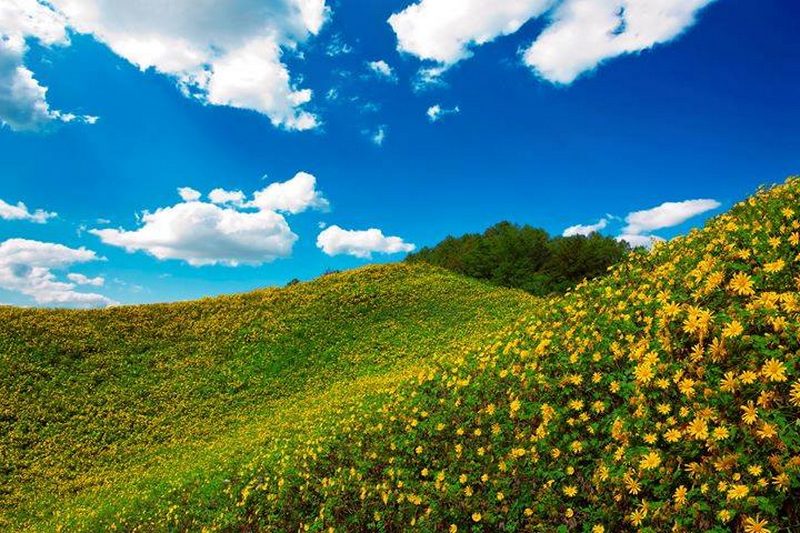
The quality of the questions you can ask is another selection tool. Consider asking how the agency approaches local communities, whether the guide provides interpretation or only transport coordination, how much time is intended for observation, and what happens if visibility or flowering conditions are different. Travelers should also communicate mobility concerns and personal preferences honestly. This allows the agency to suggest a practical format without making assumptions.
Finally, assess whether the overall plan feels balanced. A schedule packed with distant stops may leave little time to appreciate the field, while an overly narrow plan may not suit travelers who want broader regional context. The strongest arrangement is one that respects the mountain environment, presents realistic expectations, and gives the visitor enough attention to notice the landscape rather than merely photograph it from a checklist.
Making the Visit More Meaningful
Buatong Field Doi Mae U-Kor is visually striking, but its significance is not limited to photographs. The hills are part of a lived rural setting, and tourism takes place alongside local work and community life. Visitors can contribute to a better experience by keeping noise under control, avoiding litter, following marked guidance, and asking before photographing people, homes, or private activities.
A thoughtful guide can help connect the flower field with the wider geography of Khun Yuam District. Rather than treating the blooms as an isolated spectacle, the visit can become an opportunity to understand how elevation, seasonal weather, land use, and regional travel patterns shape the area. This kind of interpretation gives the tour greater depth while avoiding romanticized or unverified stories about local communities.
Travelers should also leave room for quiet observation. The field’s appeal comes from broad views, changing light, and the contrast between cultivated flowers and forested mountains. Rushing from one viewpoint to another can reduce the experience to a series of images. Whether traveling independently through an agency arrangement or joining a guided program, a respectful pace helps preserve the sense of place that makes Doi Mae U-Kor memorable.
Nearby Attractions
Kaew Komol Cave
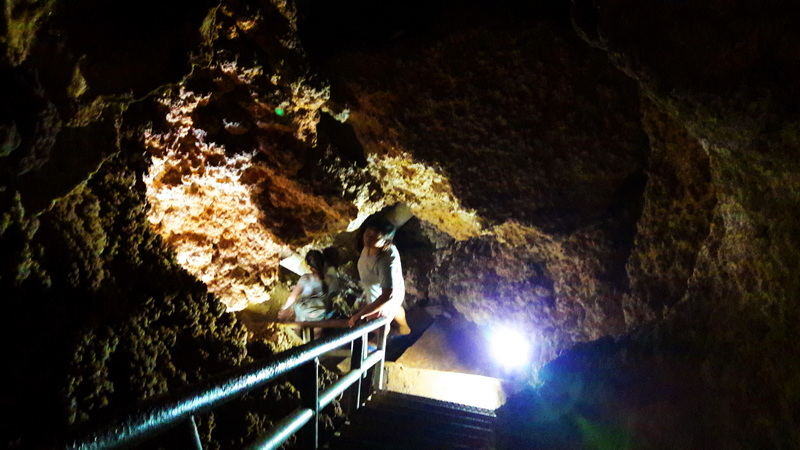
Kaew Komol Cave provides a contrasting geological experience to the open flower-covered slopes. Its interest comes from mineral formations and the enclosed character of a cave environment, making it a natural complement to a visit focused on mountain scenery. Travelers considering a combined itinerary should ask an agency how the cave fits with the field’s seasonal viewing purpose and whether the overall route allows enough time for both places.
The cave also broadens the story of Mae Hong Son beyond scenic viewpoints. While Buatong Field emphasizes color, elevation, and open space, Kaew Komol Cave directs attention underground to processes that developed over a much longer geological timescale. A guide can help visitors understand this contrast in a clear, factual way, while travelers should follow local instructions intended to protect the cave and ensure a considerate visit.
Phu Chi Per
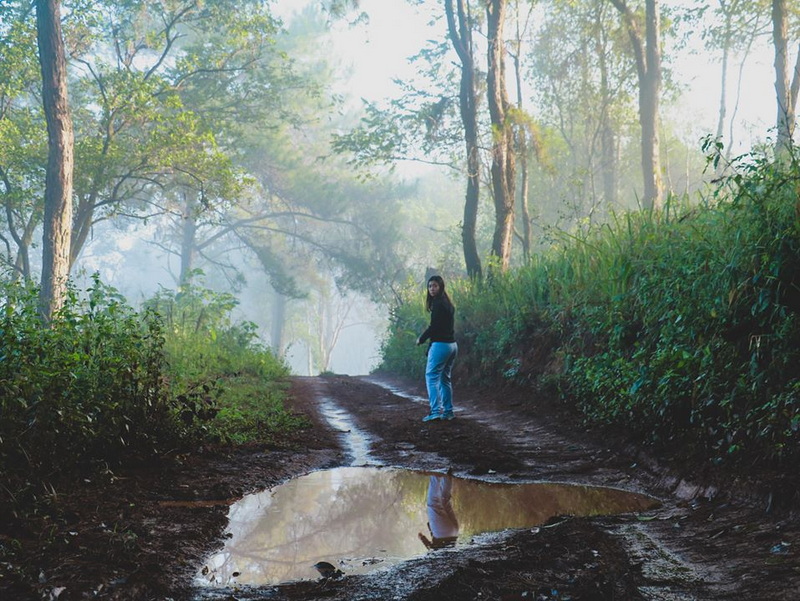
Phu Chi Per is another useful complement for travelers interested in highland scenery and expansive views. Its appeal lies in the opportunity to observe the mountainous character of the region from a different setting, helping visitors understand that Mae Hong Son is defined by connected ridges and valleys rather than by one attraction alone.
When considering Phu Chi Per alongside Buatong Field, ask whether the proposed route has a clear purpose rather than simply adding another name to the itinerary. The two places can support a broader appreciation of the landscape, but the experience should remain realistic and respectful of changing weather and local conditions. A knowledgeable agency can explain the relationship between the stops without promising identical views on every visit.
Looking Ahead to Your Visit
A visit to Buatong Field at Doi Mae U-Kor becomes more rewarding when the tour is chosen for its planning quality, not just its promotional wording. Compare how agencies describe the seasonal field, the mountain journey, guiding responsibilities, and nearby attractions. The right arrangement will match your interests, set honest expectations, and leave space for respectful observation. With that foundation, Kaew Komol Cave and Phu Chi Per can add useful contrasts to a Mae Hong Son experience built around scenery, geology, and the character of the highlands.
Comments
Post a Comment