Wat Kam Ko Tours from Chiang Mai for a Thoughtful Mae Hong Son Visit
Plan a temple-centered journey from Chiang Mai with cultural context, nearby sights, and practical choices for Mae Hong Son
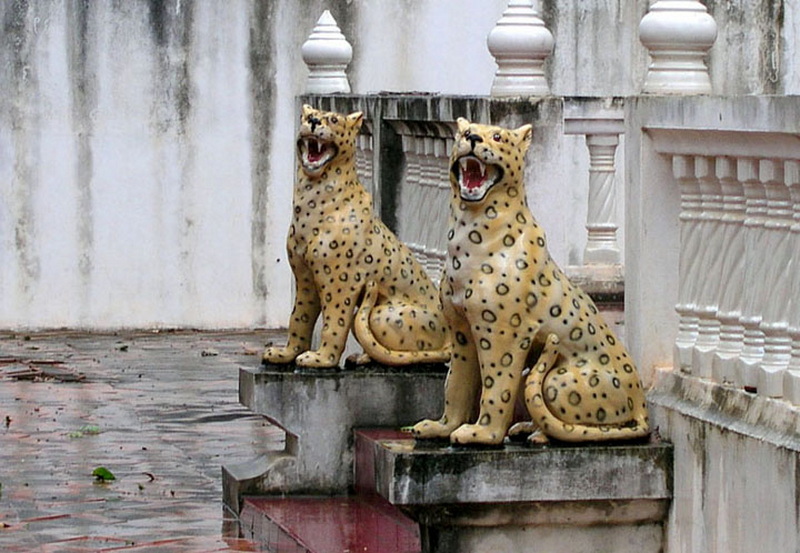
A journey from Chiang Mai to Wat Kam Ko is best understood as a regional cultural trip rather than a quick temple stop. Located in Mueang Mae Hong Son District, the temple offers travelers a quieter point of connection with the town’s religious traditions and local setting. Its modest atmosphere can complement the more widely visited landmarks around Mae Hong Son, especially for visitors who want time to observe rather than move rapidly between viewpoints. For travelers comparing organized excursions, private arrangements, and broader Mae Hong Son routes, Wat Kam Ko can serve as a meaningful cultural focus. The name appears in several forms, including Kam Ko Temple, Wat Kamko, and Kamko Temple. These variations are useful when researching tours from Chiang Mai, although the most important planning question is whether the proposed journey allows enough time for respectful temple visits and nearby experiences. This guide takes a planning-first approach. It explains what makes Wat Kam Ko worth including, how to think about a Chiang Mai departure, and why nearby Wat Chong Kham and Wat Chong Klang and Ban Huay Sua Tao can add depth to the visit without turning the day into an overcrowded checklist.
Why include Wat Kam Ko in a Mae Hong Son tour
Wat Kam Ko is a Buddhist temple in the Mueang Mae Hong Son area, within a province known for layered cultural influences, mountain landscapes, and a distinctive town setting. For a visitor, its value lies not only in photographing a religious building but also in recognizing the temple as part of an active local environment. Monastic spaces are places of worship, learning, and community life, so a calm and observant approach is more appropriate than treating the site as a theatrical attraction. Travelers researching Maehongson can use these details when planning the trip.
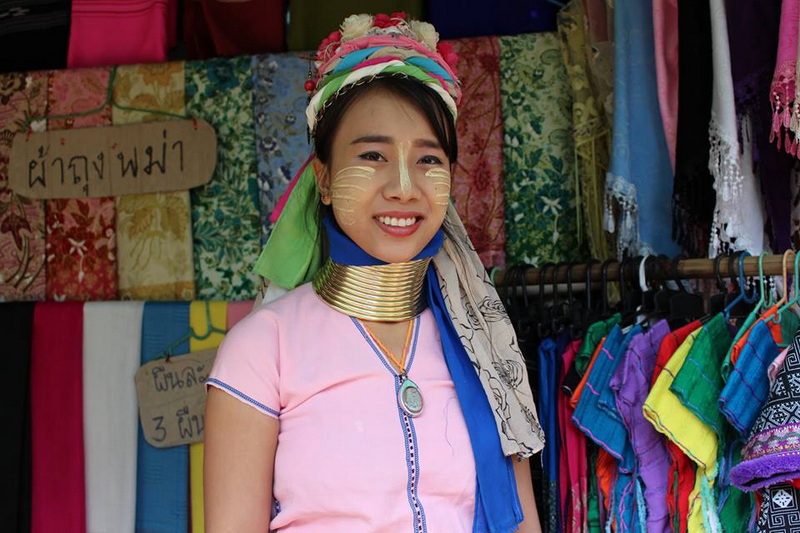
The temple is particularly suitable for travelers interested in the cultural texture of Mae Hong Son. A visit may encourage attention to architectural details, devotional spaces, local patterns of worship, and the relationship between a temple and the surrounding town. Available interpretation can vary, and travelers should avoid assuming that every feature has a single simple explanation. Observing quietly and asking permission before photographing people or ceremonies helps preserve the dignity of the place.
Searching for Wat Kam Ko Mae Hong Son or Wat Kam Ko Mueang Mae Hong Son can help distinguish this destination from similarly named temples elsewhere. Travelers may also encounter the phrase Wat Kam Ko Thailand in broader searches. These names point toward the same planning need: confirm that a proposed itinerary is visiting the temple in Mae Hong Son and not merely using a similar spelling.
Choosing a tour from Chiang Mai
The distance and mountainous geography between Chiang Mai and Mae Hong Son make this a journey that deserves realistic planning. A tour may be organized around the Mae Hong Son Loop, a private vehicle, or a broader multi-stop route. The right format depends on how much time the traveler has, whether the priority is cultural sightseeing or scenic travel, and how comfortable the group is with a long day on the road. Exact travel times and operating details should be confirmed directly with the provider because routes and conditions can change.
Travelers searching for the Best Mae Hong Son Tours From Chiang Mai should read beyond promotional titles. A useful description should identify whether Wat Kam Ko is actually included, how much independent time is available, and whether temple visits are combined with other cultural sites. It is also sensible to ask whether the route is flexible enough to accommodate worship activities, weather, road conditions, or a slower pace for older travelers.
A private tour can be helpful for visitors who want to focus on Wat Kam Ko and nearby cultural places without following a crowded schedule. A shared excursion may suit those who prefer a prearranged structure and social travel. Neither option is automatically better. The important comparison is between the group’s expectations and the itinerary’s practical limits. A route that lists many attractions may allow only brief photo stops, while a more focused plan can provide a stronger sense of place.
What to expect at Kamko Temple
At Kamko Temple, visitors should expect a religious setting rather than an entertainment venue. The experience is likely to be strongest when approached with patience: notice the layout, listen for local activity, and allow the atmosphere to develop without demanding a dramatic sight. Travelers who have already visited large and highly photographed temples may appreciate this quieter contrast.
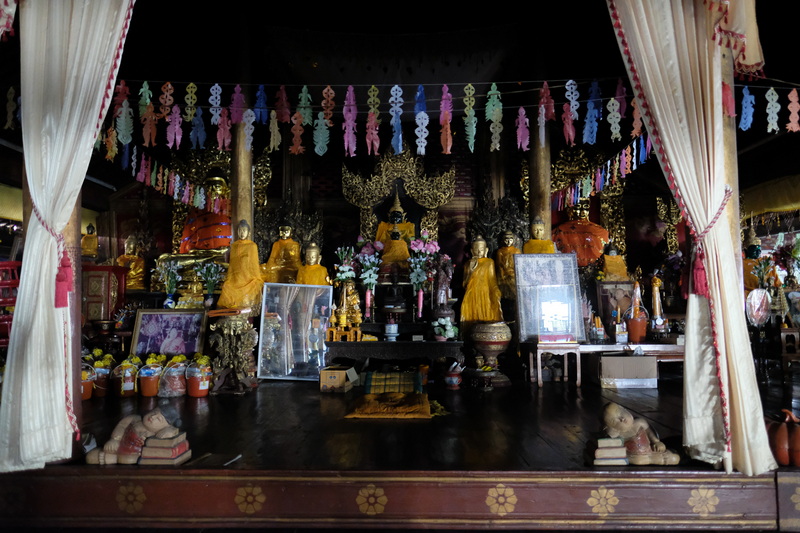
Dress should be modest, with clothing that covers shoulders and knees where practical. Remove shoes when signs or local custom require it, keep voices low, and avoid blocking entrances or devotional areas. If monks, worshippers, or ceremonies are present, give them space. Photography should be discreet, and permission is especially important for people, ritual moments, and restricted areas. These habits are simple, but they make a significant difference to the quality of a temple visit.
A Wat Kam Ko Travel Guide should also acknowledge that not every meaningful feature will be explained in English or marked with extensive signage. Travelers can prepare by learning a little about Buddhist temple etiquette and by treating uncertainty respectfully. Rather than making unsupported assumptions about the temple’s history, use the visit to observe what is clearly present and consult reliable local or official sources when deeper historical detail is needed.
Building a balanced itinerary from Chiang Mai
A practical itinerary gives Wat Kam Ko a clear role. It may be the cultural anchor of a Mae Hong Son town visit, paired with other temples and community-oriented stops, or one element of a longer route through the province. Before booking, identify the trip’s main purpose. Travelers seeking reflection and cultural understanding should avoid adding so many distant stops that the temple becomes a hurried interruption.
Ask the tour provider how the day is structured, but focus on decision-making questions rather than promises. Is the temple visit confirmed or weather-dependent? Does the route include time for respectful exploration? Are entrance arrangements, meals, and transfers described clearly? What happens if road conditions affect the plan? These questions are more useful than relying on a package title alone, and they help travelers compare options without assuming unverified schedules or availability.
For independent-minded visitors, a simple preparation list can make the experience smoother. Carry water, sun protection, and modest clothing that can be used at religious sites. Keep valuables secure, allow flexibility for changing conditions, and download or carry essential destination information before leaving Chiang Mai. A local guide can add context, but visitors should still remain attentive to the site itself rather than expecting the guide to speak for every local person or tradition.
Making room for local culture
Mae Hong Son is home to diverse communities and living traditions. Cultural travel is more responsible when it avoids presenting local people as scenery or treating customs as performances created solely for visitors. At Wat Kam Ko, the respectful traveler observes first, follows posted guidance, and understands that ordinary religious life may be more important than a visitor’s search for an unusual photograph.
The same principle applies when a tour includes community areas. Ask before photographing homes, individuals, crafts, or ceremonies, and be cautious about repeating stories that have not been verified. Purchasing locally made goods can be positive when it is voluntary, fairly represented, and not based on intrusive interaction. A good guide should provide context while allowing residents to remain subjects with agency rather than attractions to be consumed.
This approach also improves the visit emotionally. Instead of measuring the journey by the number of locations completed, travelers can remember small details: the changing pace of the road, the arrangement of a temple compound, the sound of a town waking or resting, and the quiet discipline of respectful observation. Those details often make a long trip from Chiang Mai feel purposeful.
Questions to settle before booking
Start by checking the exact destination name and the attractions included. Ask the provider to confirm Wat Kam Ko, also known as Kam Ko Temple or Wat Kamko, rather than assuming that a general Mae Hong Son sightseeing label includes it. Then review the transportation format, estimated road time, group size, and amount of free time. These details help reveal whether the trip matches your energy level and interests.
Next, consider seasonal and personal factors. Mountain roads can be affected by weather, while heat may make midday temple visits less comfortable. Older travelers, families, and anyone sensitive to long journeys should ask about rest opportunities and walking requirements. Do not rely on a guarantee that every stop will operate exactly as advertised; confirm current conditions close to departure.
Finally, decide what a successful visit means to you. If the goal is a broad first impression of Mae Hong Son, a multi-stop tour may be suitable. If the goal is a slower cultural encounter, choose an itinerary that protects time at Wat Kam Ko and the nearby town. Clear priorities make it easier to select a tour from Chiang Mai with confidence and fewer unrealistic expectations.
Nearby Attractions
Wat Chong Kham and Wat Chong Klang
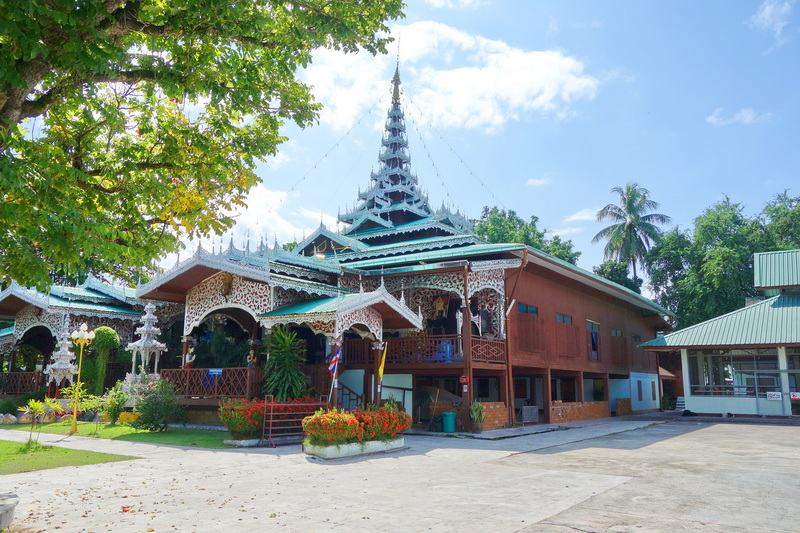
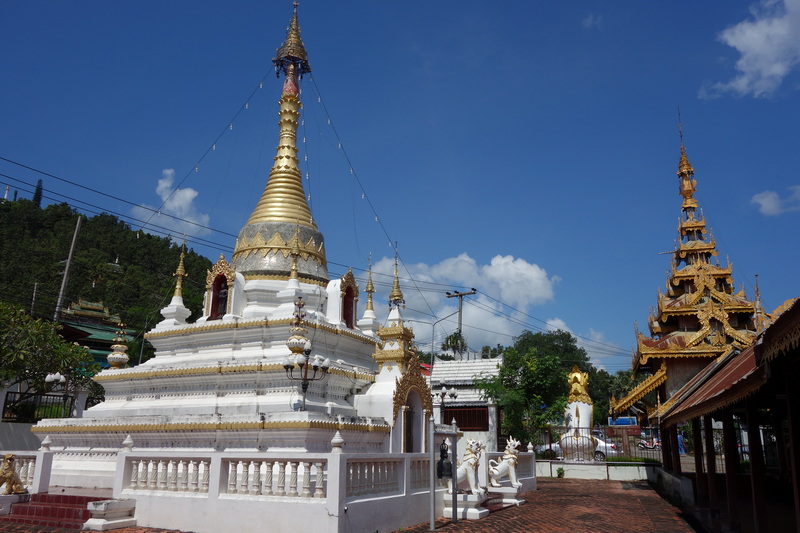
Wat Chong Kham and Wat Chong Klang are important cultural landmarks to consider alongside Wat Kam Ko in Mae Hong Son. Their presence near the town’s central lake area gives visitors an opportunity to compare different temple settings and architectural expressions within the same destination. The pair is often experienced as a connected visit, but each should still be approached as a functioning religious place rather than a single photo stop.
Including these temples after Wat Kam Ko can create a useful contrast in atmosphere and visual character. Travelers should check local guidance on footwear, photography, and access, particularly if worshippers or ceremonies are present. A guide may help explain regional context, but visitors should leave room for quiet observation and avoid disrupting those who have come for religious reasons.
Ban Huay Sua Tao
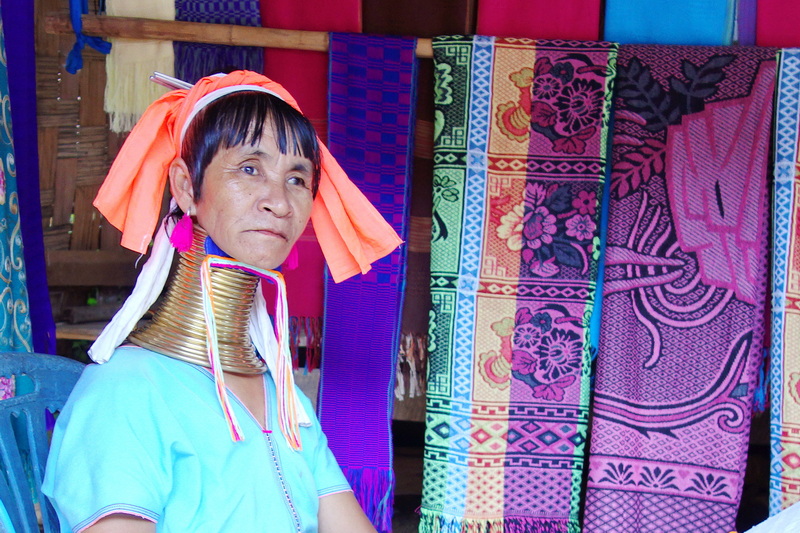
Ban Huay Sua Tao can add a community and cultural dimension to a wider Mae Hong Son itinerary. Visitors should approach the area with care, remembering that a community is a lived-in place rather than a staged attraction. Responsible tours should explain expectations clearly and avoid reducing residents or cultural traditions to decorative subjects for photographs.
Before including Ban Huay Sua Tao, ask how the visit is organized, whether local participation is voluntary, and what forms of photography or interaction are appropriate. Respectful behavior includes asking permission, listening to guidance, and avoiding intrusive questions. When handled thoughtfully, the stop can broaden understanding of the region while preserving dignity and local agency.
Looking Ahead to Your Visit
Wat Kam Ko rewards travelers who give cultural places time and respect. When comparing tours from Chiang Mai, look for a plan that confirms the temple, allows a realistic pace, and connects the visit thoughtfully with Wat Chong Kham and Wat Chong Klang and Ban Huay Sua Tao. Whether the journey is private or shared, the strongest experience comes from clear expectations, modest conduct, and curiosity about Mae Hong Son as a living community. With those priorities in place, Kamko Temple can become more than another stop on a long route: it can provide a grounded introduction to the region’s religious and cultural character.
Comments
Post a Comment