Tha Pai Hot Spring Visitor Guide for Tours from Chiang Mai
Plan a comfortable Mae Hong Son journey with practical tour choices, bathing expectations, and two rewarding stops near Pai
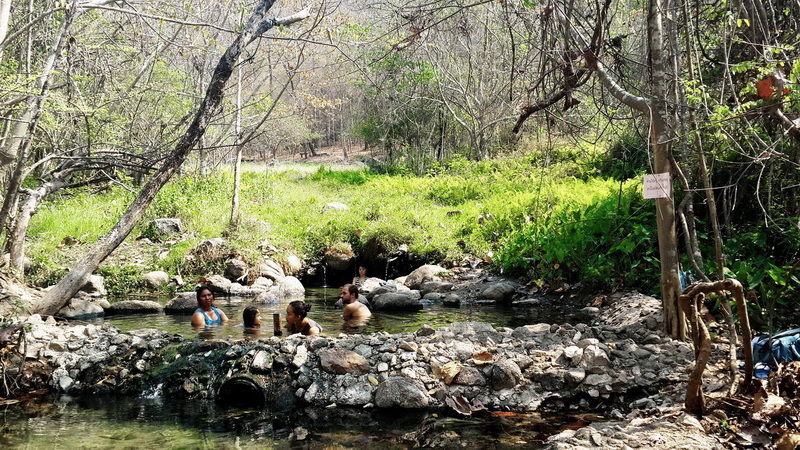
Tha Pai Hot Spring is a relaxed nature stop in Pai District, Mae Hong Son, where warm mineral water, forest surroundings, and an easygoing atmosphere create a welcome pause during a northern Thailand journey. Known locally as Pong Nam Ron Thapai or Pong Nam Ron Tha Pai, the attraction is especially convenient for travelers already exploring Pai and the wider route toward Mae Hong Son. For visitors starting in Chiang Mai, the main planning question is not simply whether to stop, but how to fit the hot spring into a journey through a mountainous region. A longer loop itinerary allows more time for scenery and local stops, while a focused private or shared excursion can make the route easier for travelers who prefer organized transport. The right choice depends on available time, comfort with winding roads, and interest in seeing more than one place. This Tha Pai Hot Spring Travel Guide concentrates on the visitor experience rather than fixed schedules or prices. It explains what the setting is like, how to compare tour styles, and how Tha Pai Memorial Bridge and Mor Paeng Waterfall can complement the visit without turning the day into an overly ambitious checklist.
Understanding the hot spring experience
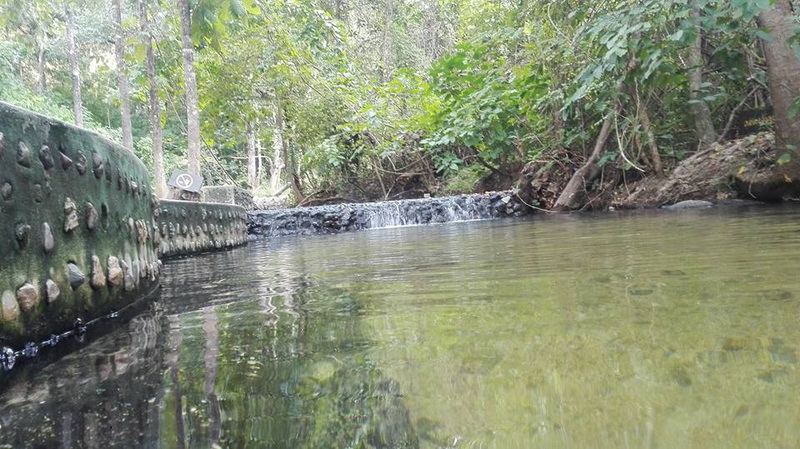
Tha Pai Hot Spring is best approached as a nature-based stop rather than a resort-style wellness complex. The landscape is shaped by woodland, paths, and areas of naturally warm water. Depending on conditions and management arrangements, some parts may be more suitable for viewing than bathing, so visitors should follow signs and local instructions instead of assuming that every pool is available for use. The appeal lies in experiencing the setting at an unhurried pace.
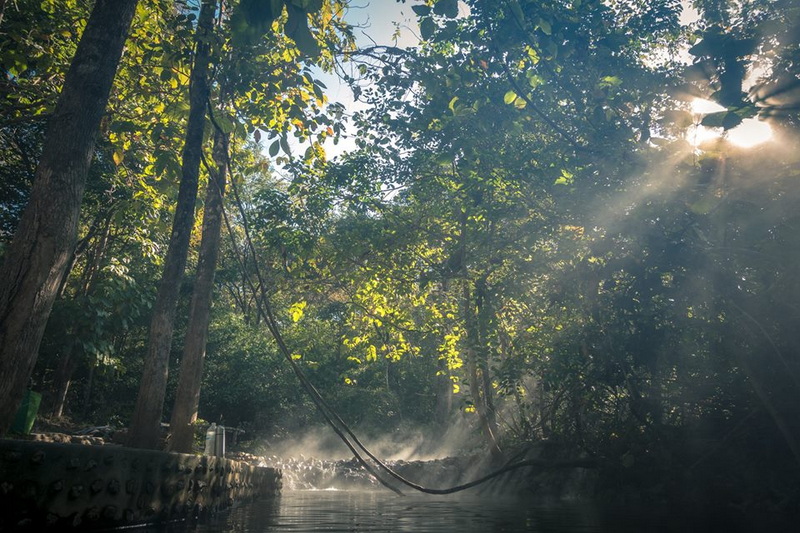
The water and surrounding air can feel particularly inviting during the cooler part of the day. A slow walk through the area allows travelers to notice the changing atmosphere between shaded forest and warmer spring zones. Those who plan to soak should bring a towel, a change of clothes, drinking water, and footwear that is comfortable on damp or uneven surfaces. Modest, practical clothing is appropriate, especially in a shared public environment.
A visit does not need to be long to be worthwhile. Some travelers may prefer a brief stop to stretch their legs and observe the landscape, while others may allow more time for bathing if facilities and conditions permit. Travelers with sensitive skin, health concerns, or difficulty tolerating heat should take a cautious approach. Resting, staying hydrated, and avoiding prolonged exposure are sensible habits at any hot spring.
Choosing among Mae Hong Son tours from Chiang Mai
The phrase Best Mae Hong Son Tours From Chiang Mai can describe several very different travel styles, so it is useful to look beyond promotional wording. A multi-day Mae Hong Son Loop journey is suitable for visitors who want the road itself to be part of the experience. It provides more flexibility for scenic pauses and regional attractions, although the route involves mountain roads and substantial travel time. Tha Pai Hot Spring can fit naturally into the Pai portion of such an itinerary.
A private car with a driver is another practical option for travelers who value control over departure timing and stopping points. This arrangement can work well for couples, families, or small groups with different interests. Before confirming, travelers should clarify whether the plan includes waiting time at the spring, how many stops are realistic, and whether the route is intended as a direct transfer or a sightseeing day. Clear expectations are more useful than choosing a package based only on its title.
Shared minivan or group excursions may suit travelers who prefer a simpler arrangement and do not mind following a set plan. These tours can reduce the effort of navigating unfamiliar roads, but the schedule may leave less room for lingering at the hot spring. Ask whether the itinerary reaches Pai, continues farther into Mae Hong Son Province, or only includes selected highlights. Travel time should be treated as a major part of the experience, not as a small detail.
A one-day journey from Chiang Mai may be physically demanding because of the distance and winding mountain roads. It can still appeal to travelers with limited time, but a longer itinerary usually allows a calmer visit and more flexibility if weather or road conditions affect progress. When comparing options, consider vehicle comfort, group size, road experience, time at each stop, and the balance between driving and exploring. These practical factors often matter more than an attractive package label.
Planning a comfortable visit to Tha Pai
The best time of day for a visit depends on personal preference and the wider itinerary. Cooler morning or late-afternoon conditions may feel more comfortable for walking, while the spring’s warmth can be especially noticeable during hot weather. Because opening arrangements, access rules, and bathing availability can change, visitors should check current information through their tour provider or an official local source before setting out. This guide avoids fixed claims about hours and fees for that reason.
Comfort begins with realistic pacing. Allow time to walk between areas, change clothes if needed, and pause without rushing back to the vehicle. If the stop is part of a group tour, return promptly at the agreed meeting time. Independent travelers should also avoid leaving valuables unattended and should keep personal belongings organized near designated areas. Simple preparation makes the visit easier, particularly when the spring is one stop among several.
Respect for the setting is equally important. Stay on marked paths, do not enter restricted areas, and avoid touching or altering natural features. Keep noise moderate, carry rubbish out or place it in appropriate bins, and be considerate of other visitors using shared spaces. The hot spring is part of a living local environment, not merely a photo background. A respectful approach also helps preserve the atmosphere for residents and future travelers.
Visitors looking for a quiet natural experience should not expect extensive entertainment or a large collection of attractions within the spring area. Its strength is its simplicity: warm water, forest, and a short break from the road. That makes it a useful addition to a Pai itinerary, especially for travelers who prefer outdoor places that can be enjoyed without complicated planning.
How to build the stop into a regional itinerary
A sensible itinerary treats Tha Pai Hot Spring as one element of a broader day rather than attempting to combine every nearby sight in a hurry. Travelers staying in Pai can usually consider the spring as a half-day-style outing, depending on transport and how long they want to remain. Those traveling from Chiang Mai should think in terms of a regional route, since the journey through the mountains can take significant energy even when the destination itself is easygoing.
For an organized excursion, provide the driver or guide with a clear preference: a short nature stop, bathing time, or a slower visit with opportunities for photographs. If different travelers have different priorities, discuss this before departure. Someone who wants to soak may need more time than someone who only wants to walk through the grounds. A flexible conversation at the planning stage can prevent disappointment later.
The wider Maehongson region rewards attention to landscape and community context. Pai District is not simply a collection of attractions connected by roads; it is also a place where residents, farms, businesses, and visitors share a busy tourism environment. Travelers can contribute positively by choosing locally operated services where appropriate, following community rules, and avoiding assumptions about local people or regional cultures.
For those searching for a Tha Pai Hot Spring Visitor Guide, the central lesson is to keep the plan adaptable. Weather, road conditions, personal energy, and access arrangements can all influence the day. A modest itinerary with time to pause is generally more enjoyable than a crowded schedule that leaves every stop feeling hurried.
Who will enjoy this stop most
Tha Pai Hot Spring suits travelers who enjoy gentle outdoor experiences and do not need a long list of activities at one location. Couples may appreciate the peaceful change of pace, while independent travelers can use it as a restorative break during a Pai exploration. Families should consider heat tolerance, walking surfaces, supervision near water, and whether younger children are comfortable with the journey. The setting can be enjoyable for different age groups when the pace is adjusted thoughtfully.
It is also a practical choice for visitors who want to experience a natural feature without committing to a demanding hike. The visit can be combined with a broader tour, but it is best to confirm accessibility needs in advance. Travelers with limited mobility should ask about paths, distances, surfaces, and available assistance before choosing a tour or transport arrangement.
To Visit Thapai Hot Spring with confidence, bring only what is useful, listen to local guidance, and leave room for the character of the place to emerge gradually. The attraction is not defined by a single viewpoint or a guaranteed bathing experience. Its value comes from a combination of warm water, wooded surroundings, and the opportunity to slow down while traveling through Mae Hong Son Province.
Nearby Attractions
Tha Pai Memorial Bridge
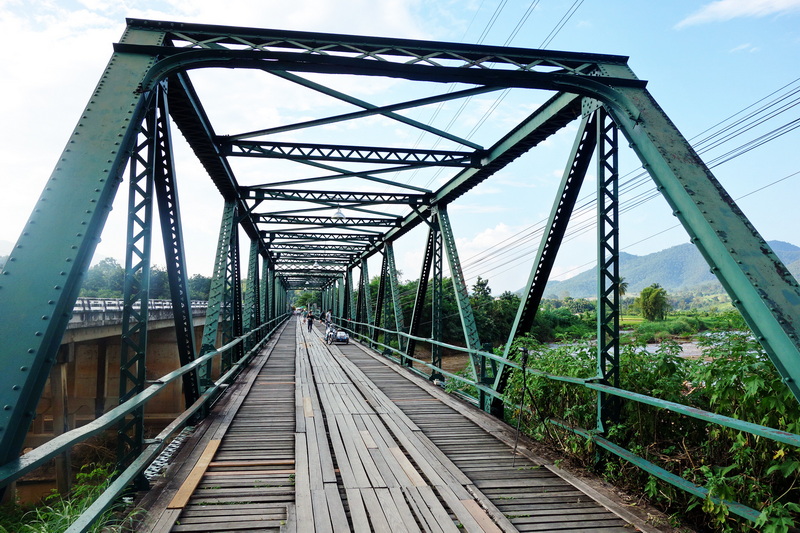
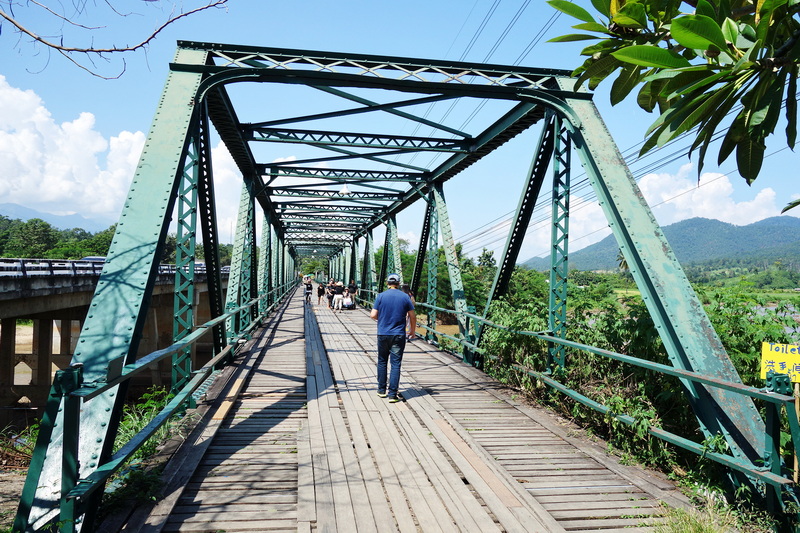
Tha Pai Memorial Bridge offers a contrasting stop after the hot spring, with a historical and riverside setting rather than a natural bathing environment. Visitors can approach it as a brief heritage visit and use the opportunity to consider how roads, crossings, and wartime history shaped movement through this part of northern Thailand. The bridge is best treated respectfully, with attention to signs and any local guidance about where visitors may walk or take photographs.
Because it is commonly included in Pai-area sightseeing plans, Tha Pai Memorial Bridge can work well before or after the spring. Allow enough time to understand the stop rather than rushing through for a photograph. A guide can add useful context, but independent travelers can still appreciate its straightforward historical character by observing the structure and surrounding landscape.
Mor Paeng Waterfall
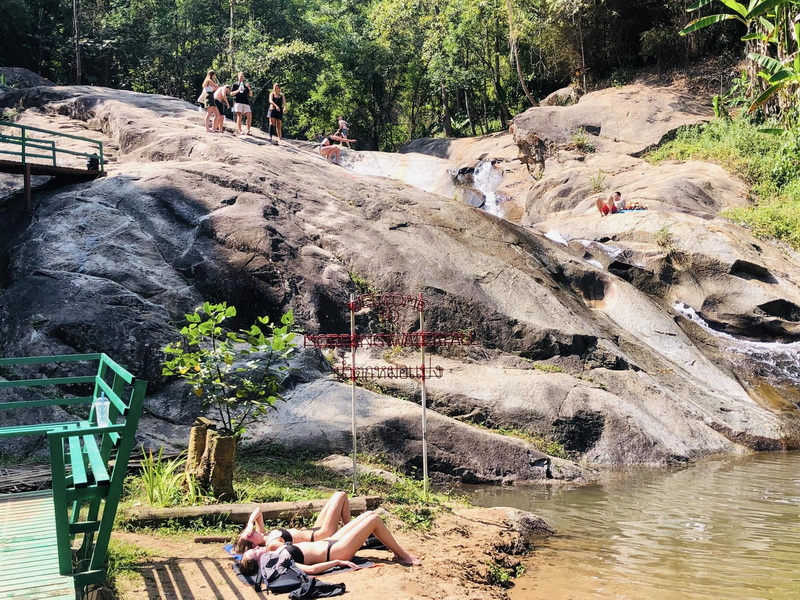
Mor Paeng Waterfall adds a more active outdoor element to an itinerary centered on Tha Pai Hot Spring. Its flowing water and rocky setting appeal to visitors who want a short nature experience, although surfaces around waterfalls can be slippery and conditions may vary. Wear secure footwear, move carefully, and follow any restrictions or safety instructions in place when you arrive.
The waterfall and hot spring offer different kinds of relaxation: one is associated with warm mineral water and forest calm, while the other brings the sound and movement of running water. Combining them can create variety in a Pai-area day, but travelers should keep the schedule realistic. Time for road travel, weather changes, and safe exploration is more valuable than trying to stay at every stop for only a few minutes.
Looking Ahead to Your Visit
Tha Pai Hot Spring is a rewarding addition to a Pai and Mae Hong Son itinerary when approached with realistic expectations. Compare tour styles by comfort, road time, flexibility, and the amount of time available at each stop rather than relying on labels alone. Whether you travel independently or choose an organized route from Chiang Mai, allow the hot spring to be a calm pause among the mountains. With respectful behavior, sensible preparation, and room for nearby historical and natural stops, the visit can become a memorable part of northern Thailand travel.
Comments
Post a Comment