Phra That Hariphunchai Temple and the Living Culture of Lamphun
A respectful journey through Lamphun’s sacred landscape, architecture, traditions, and enduring Hariphunchai identity
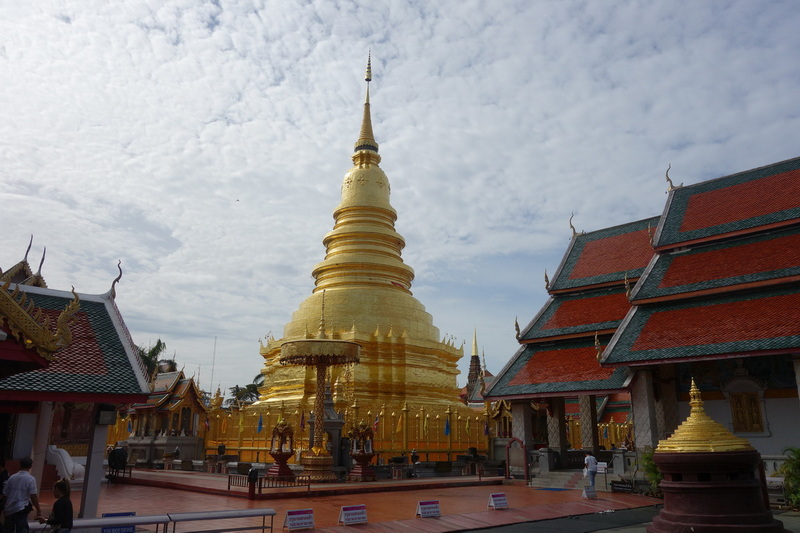
Lamphun is a compact northern Thai province with a cultural character shaped by the old Hariphunchai kingdom, Buddhist devotion, and memories preserved in temples and monuments. Its streets and religious sites reflect a regional history that is distinct from the larger urban identity of nearby Chiang Mai. At the center of this heritage stands Phra That Hariphunchai Temple, a major sacred place in Mueang Lamphun District and an important reference point for understanding the province’s religious landscape. Known in Thai usage through names including Wat Phra That Hariphunchai and Wat Phrathat Hariphunchai, the temple is more than a photogenic monument. It remains a living place of worship, pilgrimage, merit-making, and community observance. Visitors who approach it as one of the Important Temples In Northern Thailand can appreciate its architecture while also recognizing the beliefs and practices that give the compound meaning. The experience is best understood not as a quick stop between attractions, but as an encounter with Lamphun’s continuing relationship with its past.
Lamphun Province and the Hariphunchai Heritage
Lamphun Province occupies an important place in northern Thailand’s cultural history. The ancient city of Hariphunchai was associated with a Mon-speaking Buddhist civilization and developed before the rise of the Lanna kingdom. Although centuries of political and artistic exchange have shaped the region, the Hariphunchai name continues to provide a strong sense of place. It appears in local heritage, religious narratives, and the identity of important monuments throughout the old city.
Phra That Hariphunchai Temple stands within this historical setting as both a religious center and a cultural landmark. Its importance is connected to the traditional belief that the temple enshrines a relic of the Buddha, a belief that has helped make the site a destination for worshippers and pilgrims. Such traditions should be understood as part of the temple’s living religious identity rather than treated merely as legends for sightseeing. They explain why people may arrive with offerings, join prayers, or pause in quiet reflection.
The temple also helps show how Lamphun’s heritage is experienced locally. Buddhist observance is not separated from community life; it is expressed through family visits, acts of generosity, seasonal ceremonies, and respect for monastic spaces. For a traveler, this means that the most meaningful visit may involve observing the rhythm of the place with patience. The compound is a historical site, but it is also an active setting in which faith and regional memory remain connected.
The Golden Stupa and the Language of Sacred Design
The most recognizable feature of the temple is its tall golden stupa, often identified as the principal chedi of Hariphunchai. Its upward form draws attention from across the surrounding urban landscape and gives the temple a strong visual center. The stupa’s gilded appearance communicates reverence and ceremonial importance, while its form belongs to the wider architectural conversation of northern Thailand, where Buddhist monuments carry both spiritual and historical associations.
Around the principal monument, the temple presents a sequence of architectural details rather than a single isolated object. Rooflines, shrine halls, gateways, stairways, guardian figures, and decorative surfaces create changing views as visitors move through the compound. Naga imagery and guardian sculptures commonly mark transitions into sacred areas, while ornamental details on buildings demonstrate how religious architecture can combine structure, symbolism, and skilled craftsmanship.
The temple’s appearance also reflects layers of renovation and regional influence. Northern Thai religious buildings are rarely understood through one date or one artistic style alone; they often preserve evidence of rebuilding, adaptation, and continued care. At Wat Hariphunchai, the result is a setting in which the older Hariphunchai association, later Lanna traditions, and present-day devotional use coexist. Looking closely at the relationship between the chedi, assembly halls, and surrounding spaces offers a more rewarding experience than focusing only on the most photographed feature.
A Temple Sustained by Living Traditions
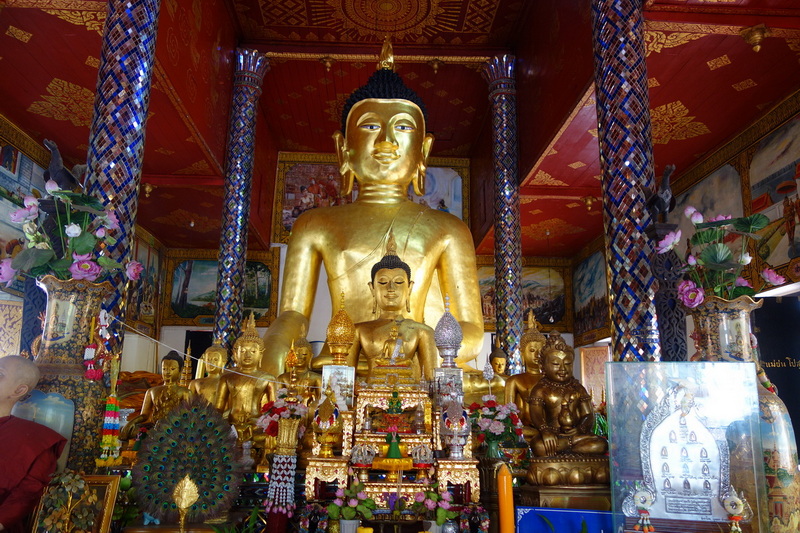
The religious role of Wat Phra That Haripunchai Woramahawihan is visible in the ways people use the temple. Worshippers may make offerings, light incense where appropriate, bow before images, or participate in acts of merit associated with Buddhist practice. These actions are not performances arranged for visitors. They are expressions of personal and community devotion, and they deserve the same quiet respect visitors would offer in any active place of worship.
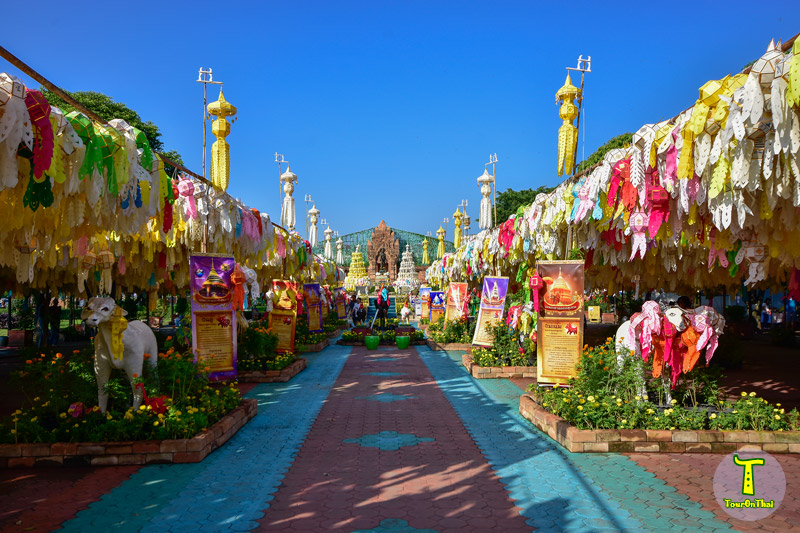
Annual religious observances and local festivals give the temple a wider social presence. Ceremonies connected with the veneration of the sacred stupa can bring together residents, monks, families, and visitors from other parts of northern Thailand. Merit-making, processions, offerings, and shared acts of devotion may form part of such occasions, although the character of any event can vary. The important point is that festivals connect the monument to people’s responsibilities and relationships, not simply to entertainment.
This connection between architecture and practice is central to the temple’s cultural meaning. The golden chedi is visually prominent, but its significance is renewed through prayer, care, and repeated community participation. Visitors can support this atmosphere by dressing modestly, speaking quietly near worshippers, following signs or local guidance, and asking before photographing people or ceremonies. Respectful observation allows the temple to remain a place of religious life rather than reducing it to a backdrop.
How to Read the Temple as a Cultural Landscape
A useful way to experience Phrathat Hariphunchai Temple is to notice how movement through the compound changes one’s attention. From a distance, the stupa may dominate the view. Closer to the buildings, however, smaller features become important: the texture of painted surfaces, the arrangement of protective figures, the proportions of a hall, or the way light falls across a religious image. This slower approach encourages visitors to see the temple as a carefully composed environment rather than a collection of separate objects.
The temple can also be read through the relationship between public and intimate spaces. Open areas allow groups to gather during religious occasions, while interior halls create a more focused setting for prayer and contemplation. Monastic areas may have a different function from visitor spaces, and not every part of a temple compound is intended for casual access. Awareness of these distinctions is part of responsible cultural travel.
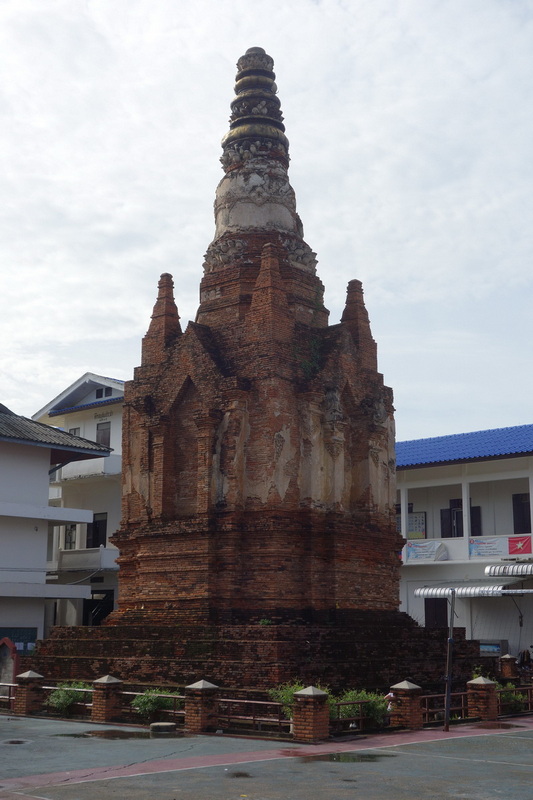
For those interested in Important Temples In Northern Thailand, the site provides a useful comparison with better-known Lanna centers farther north. Its identity is rooted in Lamphun’s own historical development, especially the memory of Hariphunchai and the persistence of local Buddhist traditions. Rather than judging the temple by scale or spectacle, visitors may find greater value in recognizing how regional history is preserved through continued use.
From the Temple to Lamphun’s Wider Heritage
A visit to Phra That Hariphunchai Temple becomes more meaningful when placed within the wider cultural geography of the old city. The temple is not an isolated monument; it belongs to a network of religious sites, historical references, and local stories that help explain Lamphun’s development. Moving between these places can reveal how sacred architecture, royal memory, and community identity overlap without making them identical.
The nearby sites of Wat Phra Yuen and the Queen Cham Dhavi Monument offer two complementary perspectives. Wat Phra Yuen extends the visitor’s understanding of Lamphun’s Buddhist architecture and devotional landscape, while the monument recalls the foundational memory associated with Queen Chamadevi and the early history of Hariphunchai. Together, these places encourage a broader interpretation of the province, in which religious practice and historical remembrance are closely connected.
This regional perspective is especially valuable for travelers who want to understand Lamphun beyond a checklist of sights. The province’s appeal lies in the continuity between its monuments and present communities. Temples remain places of worship, monuments remain points of remembrance, and local streets preserve the scale of an old cultural center. Phra That Hariphunchai Temple provides the clearest starting point for seeing those connections.
Nearby Attractions
Wat Phra Yuen
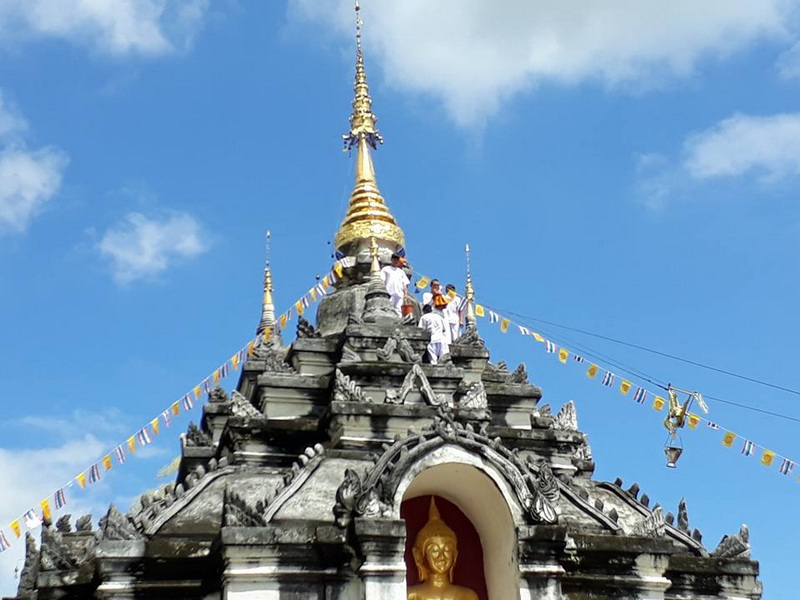
Wat Phra Yuen is a complementary religious and architectural site in Lamphun’s cultural landscape. Its name is associated with standing Buddha images, and the temple offers another setting in which visitors can consider the variety of Buddhist artistic traditions found around the old city. The atmosphere and architectural details provide a useful contrast with the dominant golden stupa of Phra That Hariphunchai Temple.
A visit here can deepen appreciation of Lamphun as a region of connected sacred places rather than a destination defined by one monument. As at any active temple, visitors should observe quietly, dress respectfully, and give priority to worshippers and monastic activities.
Queen Cham Dhavi Monument
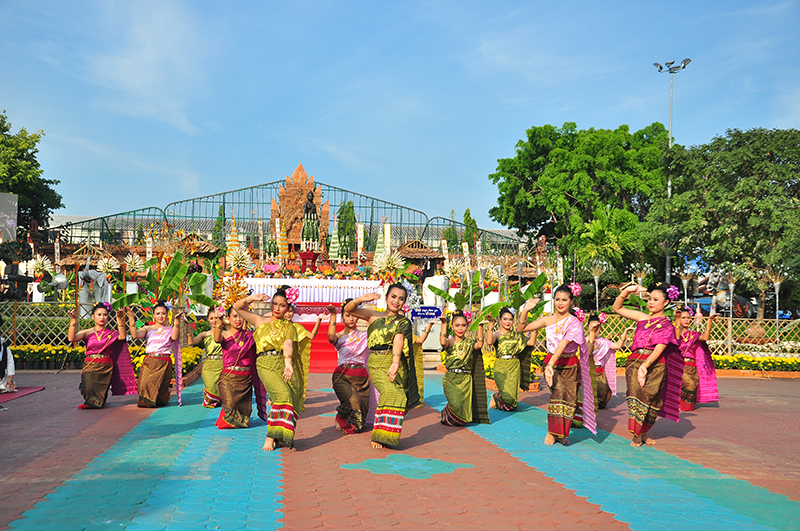
The Queen Cham Dhavi Monument connects Lamphun’s present-day visitor experience with the historical memory of Queen Chamadevi, who is traditionally associated with the founding of Hariphunchai. The monument is therefore significant not only as a point of remembrance but also as an expression of how local history is carried through public symbols and regional identity.
Seen alongside Wat Phrathat Hariphunchai, the monument helps broaden the story of Lamphun. The temple represents continuing Buddhist devotion, while the monument emphasizes a foundational figure in the city’s historical narrative. Together they show how religious heritage and civic memory can occupy neighboring spaces within the same cultural landscape.
Looking Ahead to Your Visit
Phra That Hariphunchai Temple offers a thoughtful entry into Lamphun’s heritage because its meaning extends beyond architecture. The stupa, halls, and decorative features express artistic traditions, while worship, festivals, and community care keep the site active in the present. By visiting with patience and respect, travelers can see why Wat Phrathat Hariphunchai remains central to the province’s religious landscape. Paired with Wat Phra Yuen and the Queen Cham Dhavi Monument, it reveals a Lamphun shaped by memory, devotion, and a continuing connection to Hariphunchai’s past.
Comments
Post a Comment