Patara Elephant Farm and the Wider Adventure Landscape of Chiang Mai
A thoughtful route from elephant care to forests, active travel, and responsible exploration around Chiang Mai
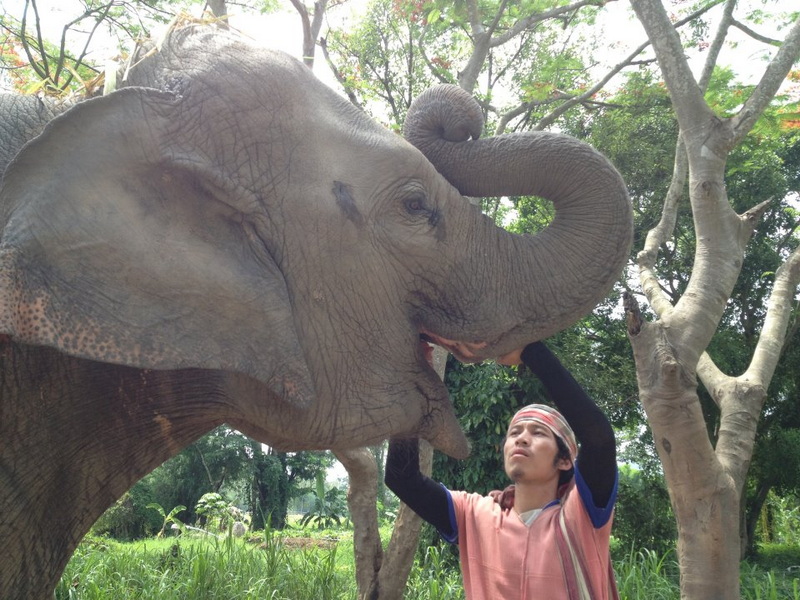
In Hang Dong District, Chiang Mai, an elephant visit can be understood as more than a photo opportunity. Patara Elephant Farm is associated with care-focused encounters in which visitors are introduced to the daily responsibilities involved in looking after elephants. The emphasis is on observation, guided interaction, and learning rather than treating the animals as props for entertainment. Because practices can change, travelers should confirm current policies directly with the farm and assess whether the experience reflects their own standards for responsible wildlife tourism. This care-centered visit also fits naturally into Chiang Mai’s larger adventure-travel setting. The region offers forested landscapes, rivers, mountain roads, and outdoor activities that appeal to travelers who want movement and nature without separating tourism from local context. A day built around elephants can therefore be paired with activities such as horse riding or a visit to a national park, provided the pace remains realistic and the welfare of animals and communities stays central. The purpose of this guide is not to rank attractions or promise a particular itinerary. Instead, it explains how Patara Elephant Farm may fit within a broader Chiang Mai plan, what visitors can reasonably expect from care-oriented tourism, and why nearby outdoor places can add variety without turning the trip into a rushed checklist.
Understanding a Care-Focused Elephant Visit
A responsible elephant experience begins with the relationship between the visitor and the animal. At a care-focused facility, guests may learn that elephants require regular feeding, observation, cleaning, health attention, and patient handling. These tasks provide a more grounded picture of elephant management than a short performance designed only for audience reaction. The visitor’s role is still limited: staff members remain responsible for decisions, while guests should follow instructions and avoid assuming that close contact is automatically beneficial.
Patara Elephant Farm is often considered by travelers looking for an educational alternative to conventional entertainment. The important question is not simply whether a program uses the language of care, but how that care is explained and practiced. Travelers can look for clear information about elephant routines, staff expertise, interaction boundaries, rest periods, and the treatment of animals that do not wish to participate. Independent Patara Elephant reviews may offer useful perspectives, although reviews should be read critically because one visitor’s enjoyable moment does not prove long-term welfare standards.
A visit can also encourage a more patient form of tourism. Rather than expecting constant activity, guests may observe feeding behavior, body language, and the different personalities of individual elephants. This is where a Patara Elephant Conversation can become meaningful: visitors can ask how elephants are cared for, what signs of stress staff monitor, and how the farm approaches training and daily routines. Good questions are specific and respectful, and they recognize that elephant welfare is a continuing responsibility rather than a single attraction feature.
What Elephant Training Means in a Responsible Context
The phrase Patara Elephant Training may attract travelers who want to understand how elephants respond to human care, but the word training needs careful interpretation. Elephants are large, intelligent animals with individual needs, and any training practice deserves attention to method, purpose, and welfare. Visitors should avoid assuming that a demonstration tells the whole story. A responsible explanation distinguishes between routines that support safe husbandry and activities performed mainly for spectacle.
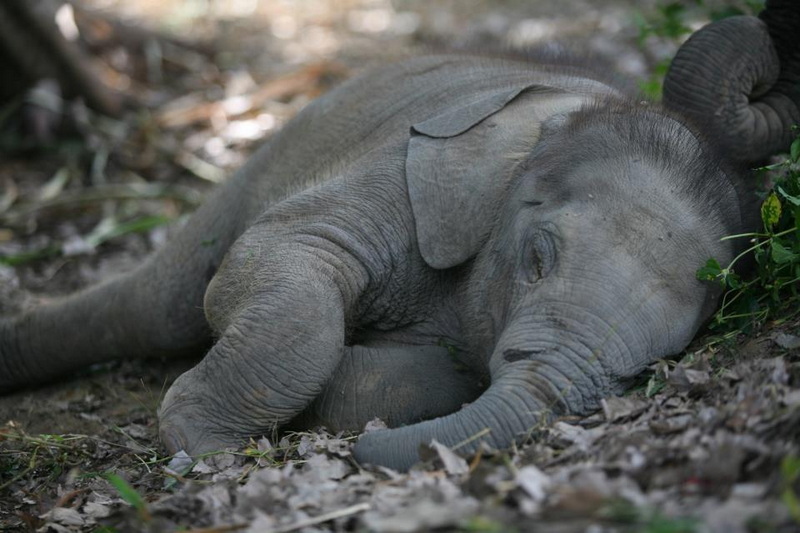
Travelers researching the Patara Elephant Chiang Mai Elephant Training Program At Patara Elephant Farm should check current descriptions rather than relying on old blog posts or short social-media clips. Useful questions include whether participation is optional for both people and elephants, how staff manage unwanted behavior, and whether visitors are encouraged to maintain a suitable distance when appropriate. Current information is especially important because tourism policies, animal-care procedures, and visitor activities can evolve.
For guests, respectful behavior is straightforward. Do not shout, chase, crowd, or touch an elephant without explicit guidance. Keep voices calm, follow staff instructions, and understand that an elephant may need space even when a close encounter appears possible. Avoid bringing expectations shaped by staged videos. The most valuable result may be a better understanding of the animal’s needs, not a dramatic photograph or a moment of direct contact.
Placing Elephant Care Within Chiang Mai Adventure Travel
Chiang Mai adventure tourism is diverse enough to suit different energy levels. Outdoor options commonly include hiking, cycling, river-based activities, climbing, scenic drives, and guided exploration of mountain and forest environments. Some experiences are physically demanding, while others are closer to nature walks with an educational element. This variety is useful for responsible travelers because an elephant care visit does not have to compete with an extreme activity; it can be one quieter component within a wider journey.
Searches for the Best Adventure Tours In Chiang Mai often produce a mixture of commercial packages and independent activities. A better approach is to choose according to environmental setting, group size, guide quality, and personal ability rather than relying on a ranking. Ask whether an activity contributes to local livelihoods, respects protected landscapes, and communicates safety clearly. Travelers should also consider whether their schedule allows enough time for rest, hydration, and changing weather conditions.
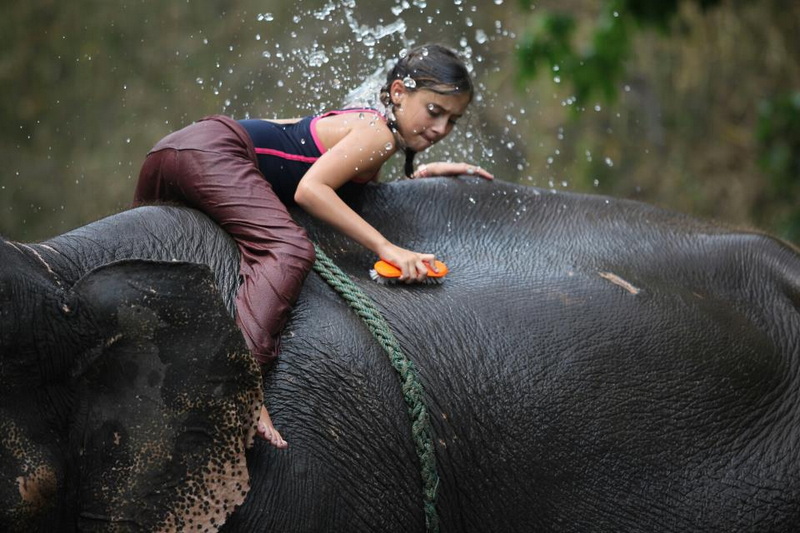
Chiang Mai Elephants Care Tours can appeal to visitors who want outdoor travel with a conservation-minded dimension. The phrase should not be treated as a guarantee of ethical practice, however. Responsible tourism depends on observable details: transparent explanations, appropriate interaction, animal choice and retreat, and a willingness to place welfare before entertainment. Pairing elephant care with another outdoor activity works best when each experience is given enough attention to be understood on its own.
Building a Balanced Day Around Nature and Activity
Combining Patara Elephant Farm with an adventure attraction requires more than placing two names on a map. Hang Dong District and the wider Chiang Mai area include varied terrain, and travel time can depend on road conditions, weather, and the chosen starting point. Since exact schedules and transport arrangements are not universal, visitors should verify current logistics with each operator and avoid making a tightly packed plan based on assumptions.
A balanced day leaves room for transition. An elephant care experience may involve quiet observation and concentration, while horse riding or a national park visit can require different clothing, physical effort, and attention to terrain. Separating activities across different days may be the more considerate option, particularly for families, older travelers, or anyone unfamiliar with northern Thailand’s heat and seasonal rain. The goal is not to maximize attractions but to remain alert and respectful throughout the visit.
Responsible planning also includes the community dimension. Choose guides who explain local places without reducing them to scenery, ask permission before photographing people, and follow rules in natural areas. Purchase decisions can support local livelihoods when made thoughtfully, but visitors should avoid assuming that every tourism product has the same environmental or social impact. A slower itinerary often creates more opportunity to listen, learn, and notice how conservation and recreation coexist.
Questions to Ask Before Booking
Before confirming an elephant experience, travelers can review the program’s current description and look for precise language rather than broad claims. Does it explain the elephants’ daily care? Are interaction rules clear? Can the animals move away from guests? Are riding, performances, or forced interactions included? How are medical needs handled, and who provides the care? These questions do not produce a perfect ethical label, but they help visitors make decisions based on evidence instead of marketing language.
It is also worth considering the source of information. An operator’s own material explains its intended practices, while Patara Elephant reviews can reveal how those practices are experienced by visitors. Neither source should be treated as complete on its own. Recent reviews may describe a particular guide or day rather than the entire operation, and older information may no longer reflect current policy. A careful traveler compares sources, checks dates, and remains open to uncertainty.
Finally, remember that ethical travel includes the choice not to participate in an activity that feels unclear. There is no obligation to seek physical contact with an elephant, and observing from a respectful distance can still be rewarding. When travelers communicate boundaries, follow local guidance, and value welfare over novelty, they help create demand for more responsible forms of wildlife tourism in Chiang Mai.
Nearby Attractions
Chiang Mai Horse Riding Adventure
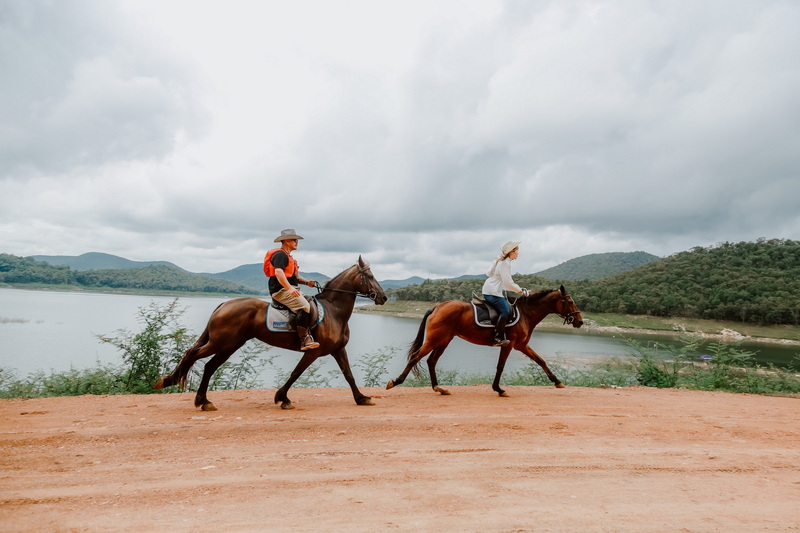
Chiang Mai Horse Riding Adventure offers a different way to experience the region’s outdoor character. Horse riding can bring travelers into rural or wooded landscapes at a slower pace than motorized sightseeing, allowing attention to shift toward terrain, vegetation, and the rhythm of the animal. The experience is not interchangeable with elephant care: horses have their own welfare needs, and visitors should ask about riding conditions, rest, tack, group sizes, guide supervision, and how animals are treated when they are not working.
For travelers combining this activity with Patara Elephant Farm, the main appeal is contrast. Elephant care encourages close observation of a large animal’s routine, while riding emphasizes balance, communication, and awareness of changing ground. Both experiences call for calm behavior and respect for an animal’s signals. Participants should be honest about their riding ability, listen to instructors, and avoid treating either animal as a guaranteed backdrop for photographs.
Ob Luang National Park
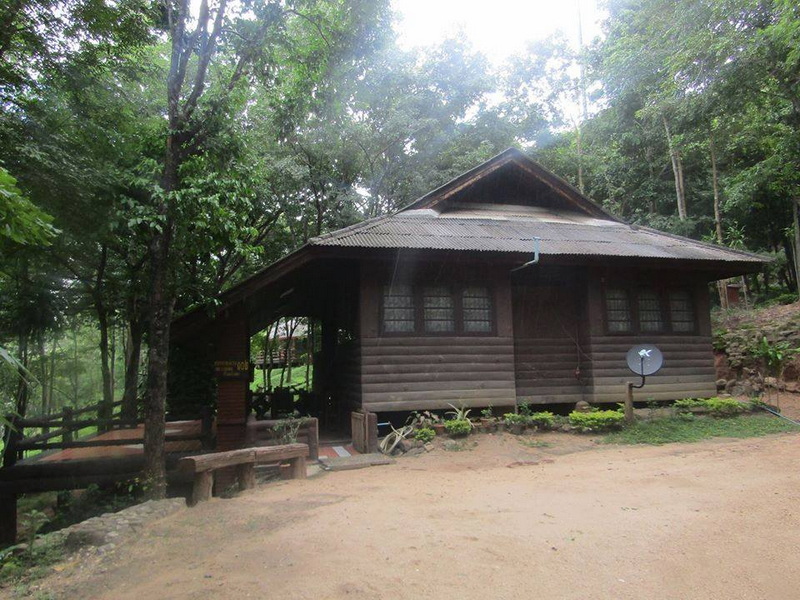
Ob Luang National Park provides a natural counterpoint to a managed elephant-care setting. The park is known for rugged scenery shaped by water and geology, including a dramatic gorge and forested surroundings. Its appeal lies in walking through a protected landscape and considering the ecological systems that support plants, wildlife, and local communities. Conditions on trails and at viewpoints can vary, so visitors should rely on current park guidance and prepare for weather, uneven ground, and exposure.
A visit here can deepen the conservation context of a Chiang Mai journey. Instead of focusing on a single animal encounter, travelers observe habitat at a broader scale and learn why protected areas need careful management. Leave-no-trace habits are essential: keep to permitted routes, carry waste out, avoid disturbing wildlife, and respect restrictions. Paired thoughtfully with Patara Elephant Farm, Ob Luang National Park creates a useful connection between individual animal care and the protection of wider natural environments.
Looking Ahead to Your Visit
Patara Elephant Farm can serve as an entry point to a more thoughtful style of adventure travel in Chiang Mai, especially for visitors who want learning and nature alongside activity. The strongest plan is not necessarily the busiest one. Combine elephant care with horse riding or a national park only after checking current practices, physical demands, and travel logistics. Above all, let animal welfare, protected landscapes, and respectful local engagement guide the choices. That approach leaves room for curiosity while keeping the experience grounded in responsibility rather than spectacle.
Comments
Post a Comment