Pai Memorial Bridge Travel Options and Hot Springs Nearby
Plan a history-minded Pai visit with flexible Mae Hong Son tour ideas and two nearby hot spring experiences
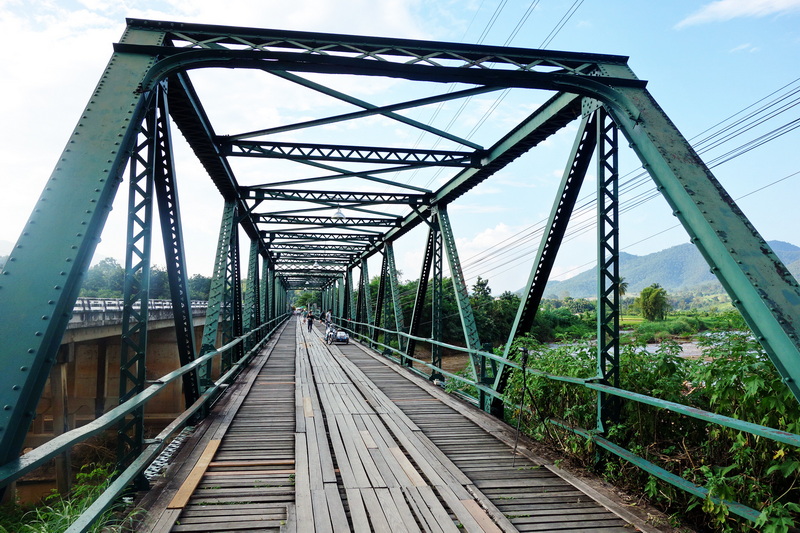
Pai Memorial Bridge is a compact but meaningful stop for travelers exploring Pai District, Mae Hong Son. Its weathered structure and riverside setting invite a slower look at the area’s wartime history, while the surrounding countryside makes it easy to pair the visit with a nature-focused outing. Rather than treating the bridge as an isolated photo stop, travelers can use it as one element in a carefully paced day around Pai. The bridge is also useful when comparing broader travel ideas from Chiang Mai. Search phrases such as Best Mae Hong Son Tours From Chiang Mai, Maehongson tour packages, and Chiang Mai to Mae Hong Son road trips describe different ways visitors begin planning, but they do not guarantee a particular operator, itinerary, or schedule. A sensible approach is to compare the amount of time available, the attractions that matter most, and whether a planned route allows room for historical stops and natural sites. This guide focuses on that planning process. It explains the historical importance of the bridge, outlines how tour-related searches can be interpreted, and describes Tha Pai Hot Spring and Sai Ngam Hot Spring as complementary experiences. The aim is not to prescribe one fixed excursion, but to help independent travelers make informed choices while visiting respectfully.
Why the Bridge Matters in Pai’s History
Pai Memorial Bridge is commonly associated with the Second World War. In the early 1940s, Japanese forces developed a route through northern Thailand toward the Burma, now Myanmar, frontier, and a bridge was built across the Pai River to support the movement of people and supplies. The project belongs to a difficult period in regional history, when wartime infrastructure affected local communities and landscapes.
The original wartime structure did not remain intact after the conflict. It was burned during the Japanese withdrawal, and later bridge construction provided a crossing in the same general area. The present landmark therefore represents both a physical crossing and a layered historical memory. Names including Tha Pai Memorial Bridge, Pai Historical Bridge, and Tha Pai World War II Bridge refer to this shared story, although visitors should remember that the visible structure is not simply an untouched wartime artifact.
A visit is best approached with attention rather than sensationalism. The bridge does not need dramatic storytelling to be significant. Its value lies in connecting the Pai landscape with wider events in Southeast Asian history and in reminding visitors that roads and crossings often have consequences beyond transportation. Reading available local information, keeping the area orderly, and allowing time to observe the river environment can make the stop more thoughtful.
How to Read Mae Hong Son Tour Searches
Travel research from Chiang Mai often uses broad phrases that describe an idea rather than a confirmed product. Best Mae Hong Son Tours From Chiang Mai may lead to searches for guided sightseeing, private touring, multi-stop loops, or small-group journeys. Other common wording includes Mae Hong Son Loop Tour From Chiang Mai, Chiang Mai To Mae Hong Son Tour Package, and Pai And Mae Hong Son Tour From Chiang Mai. Each phrase can reflect a different travel pace and route emphasis.
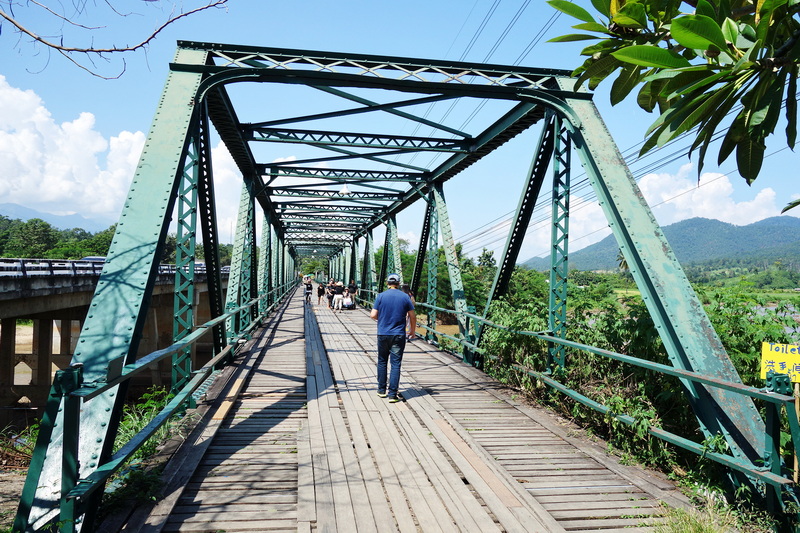
When comparing these possibilities, first identify the trip’s main purpose. A history-focused traveler may want enough time for Pai Memorial Bridge and other heritage sites. Someone drawn to landscapes may prioritize hot springs, waterfalls, and viewpoints. A traveler with limited time may prefer a shorter selection of stops, while someone planning a broader Mae Hong Son visit may value a route that connects Pai with the provincial capital and surrounding districts. Search wording alone cannot confirm what an itinerary includes.
Before treating any tour description as suitable, check the current details directly with the relevant provider or information source. Look for the stated route, sightseeing duration, language support, group size, cancellation terms, and whether historical locations are actually included. Availability and conditions can change, so this article intentionally does not assign prices, schedules, or guaranteed inclusions to any tour phrase. Independent visitors can use the same checklist when building a self-directed plan.
Pairing History with Time Outdoors
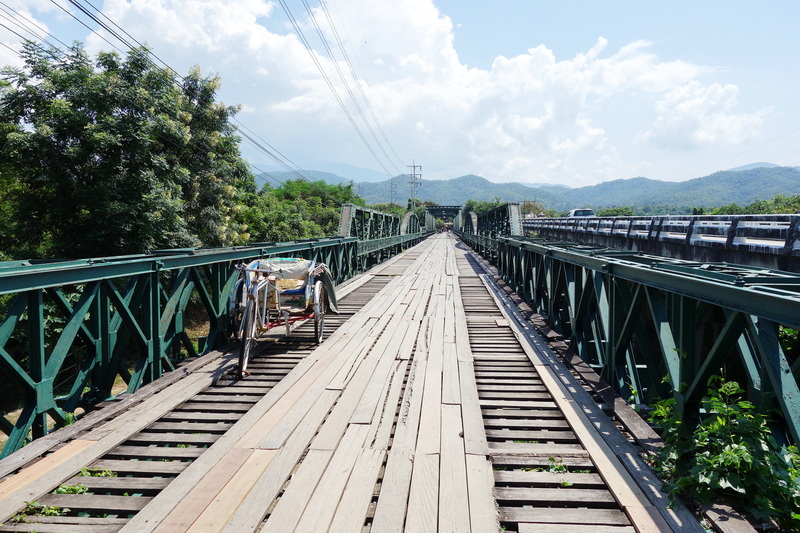
A practical visit to the bridge benefits from a balanced rhythm. Begin with the historical stop while attention is fresh, then allow the day to shift toward the natural character of Pai District. This structure prevents the bridge from becoming a rushed background for photographs and also avoids turning a nature outing into a sequence of hurried stops. The most enjoyable plan is usually the one that leaves enough flexibility for weather, road conditions, and the time needed at each place.
The Pai area can feel especially different across the day. Morning light may make the riverside setting feel quiet, while later visits can have a more active sightseeing atmosphere. Instead of assuming that every attraction can be covered quickly, estimate realistic time for arrival, orientation, walking, changing conditions, and rest. Travelers comparing a Chiang Mai to Pai and Mae Hong Son tour package with a shorter Pai visit should check whether the route allows genuine time at the bridge rather than only a brief pass-by.
Respectful sightseeing also matters. Stay within publicly accessible areas, avoid climbing on fragile structures, and do not treat memorial surroundings as a stage for disruptive behavior. The bridge is connected to a painful historical period, and local residents continue to live around the sites visitors come to see. A calm presence, modest photography, and consideration for other visitors are simple ways to show care.
Selecting the Right Route for Your Priorities
Independent travelers can begin by writing a short priority list instead of searching for the longest itinerary. For example, a list might include one historical landmark, one hot spring, time for a meal break, and an unhurried return. This makes it easier to evaluate whether a proposed Mae Hong Son sightseeing tour from Chiang Mai matches personal interests. It also reduces the temptation to collect many distant stops without appreciating any of them.
A guided option may be useful for visitors who want historical context or prefer someone else to coordinate the sequence of stops. A private arrangement can offer more discussion of timing and interests, although the exact flexibility depends on the provider. A self-planned visit may suit travelers who enjoy making decisions as they go. None of these approaches is automatically best; the important question is whether the plan is clear about what is included and realistic about the landscape and distances.
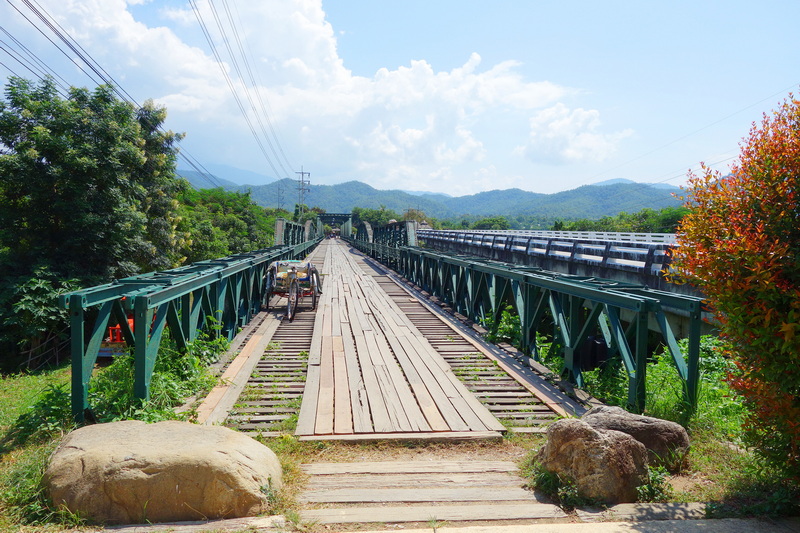
The phrase Maehongson can appear in searches, maps, and travel discussions with several spellings, so try both Mae Hong Son and Maehongson when researching. Pair the regional term with a specific interest, such as Pai bridge history or hot springs, rather than relying on a generic package title. This usually produces more useful comparisons and helps distinguish a broad provincial itinerary from a focused Pai District outing.
A Simple Planning Checklist
Confirm the location and route before setting out, especially if the bridge is one stop among several. Use current local information for access conditions and allow extra time rather than building a plan around exact arrival minutes. Weather can affect comfort and visibility, while seasonal conditions may change the character of outdoor sites. A flexible itinerary is particularly valuable when combining a historical landmark with natural attractions.
Wear practical clothing and footwear suitable for short walks and uneven outdoor surfaces. Carry drinking water, sun protection, and any personal items needed for a half-day or full-day outing. At hot springs, follow posted instructions, respect bathing customs, and avoid assuming that natural water is suitable for every visitor. Those with health concerns should make their own informed decisions and seek professional advice when necessary.
Finally, separate confirmed information from hopeful assumptions. A listing may use the phrase World War II Memorial Bridge Pai or Tha Pai World War II Memorial Bridge while offering little detail about the wider route. Check the source, note what is actually stated, and keep alternative plans in mind. This small habit improves confidence without requiring a rigid schedule.
Nearby Attractions
Tha Pai Hot Spring
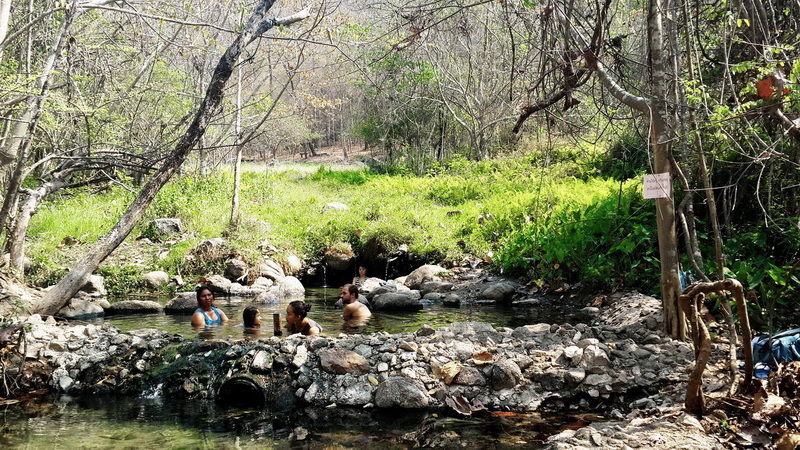
Tha Pai Hot Spring is a natural attraction that can complement a visit to the bridge with a change of pace. The site is associated with warm mineral water, forest surroundings, and a relaxing outdoor atmosphere. Conditions and access arrangements can vary, so visitors should follow current signs and local guidance rather than assuming that every pool or area is available for bathing.
For planning purposes, treat the hot spring as a place to spend unhurried time, not merely another checkbox. A short walk, quiet observation, and respect for the environment can be as important as entering the water. Combining it with the bridge creates a useful contrast between Pai’s wartime history and its continuing natural landscape.
Sai Ngam Hot Spring
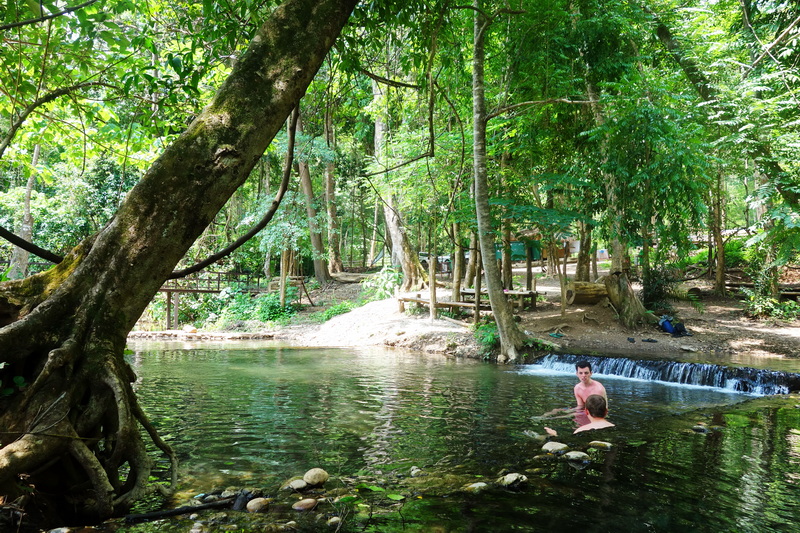
Sai Ngam Hot Spring offers another nature-centered option for travelers planning around Pai District. Its appeal comes from the wooded setting and the chance to experience warm spring water in a less urban environment. Visitors should check current local conditions before going, obey site guidance, and avoid making assumptions about facilities, bathing areas, or operating arrangements.
This attraction works well for travelers who want their Pai itinerary to include quiet outdoor time after a historical stop. Bring a patient attitude, keep noise modest, and leave natural surroundings clean. As with any hot spring, personal comfort and health considerations should guide participation, while environmental care helps preserve the experience for residents and future visitors.
Looking Ahead to Your Visit
Pai Memorial Bridge is most rewarding when approached as both a historical landmark and a starting point for thoughtful exploration. Research the bridge’s wartime background, interpret Chiang Mai and Mae Hong Son tour phrases carefully, and choose an itinerary that matches your available time rather than promising too much. Pairing the visit with Tha Pai Hot Spring or Sai Ngam Hot Spring adds a natural dimension without reducing the historical stop to a quick photograph. With flexible planning, respectful behavior, and current local information, travelers can experience Pai District with greater confidence and attention.
Comments
Post a Comment