Lahu Hill Tribe Village Life in Northern Thailand
A respectful guide to everyday life, cultural encounters, and thoughtful travel in Lahu communities
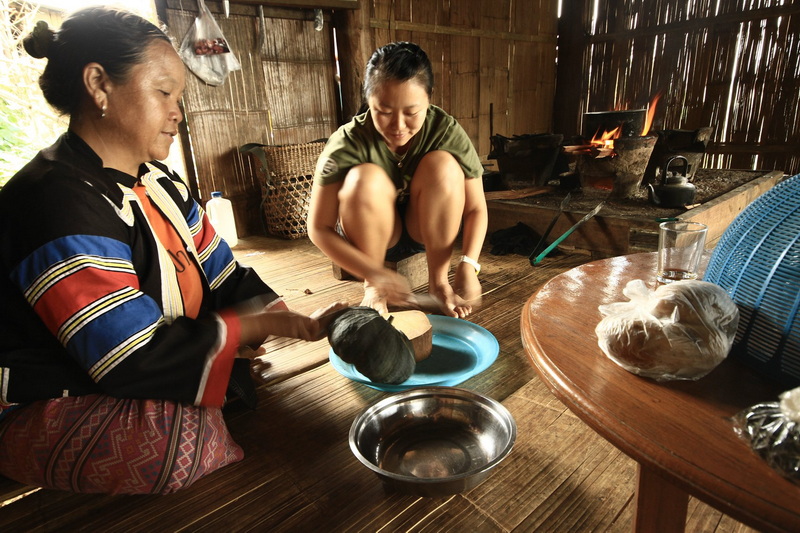
Across the mountains of Northern Thailand, village communities preserve distinctive languages, family traditions, agricultural knowledge, and forms of community life shaped by generations in upland landscapes. The Lahu Hill Tribe is part of this wider cultural picture, yet no village should be treated as a display of a single, unchanging identity. Lahu people live in diverse communities, and local experiences can differ according to history, location, religion, livelihoods, and contact with neighboring groups. For travelers, the most meaningful visit is less about collecting photographs and more about learning how to be a considerate guest. A village encounter may offer an opportunity to observe homes, fields, crafts, food traditions, or community spaces, but access and participation should never be assumed. This guide focuses on the human experience behind Hill Tribe Villages Northern Thailand, with practical cultural guidance for visitors who are considering a Chiang Mai Package Tour or independent travel in the region. It also places Muser Hill Tribe Information Thailand in context, recognizing that names and labels may vary while the dignity of the people remains constant.
A Village Is a Living Community, Not a Museum
Lahu villages are often associated with upland areas, forested slopes, and agricultural landscapes, but the setting alone does not define village life. A community is made up of households, elders, children, religious leaders, farmers, workers, and people whose daily routines may extend beyond the village. Some residents may grow crops, raise animals, sell goods, attend school, or travel for employment. Others may combine older practices with modern education, technology, and regional commerce.
Daily life commonly follows the rhythm of household responsibilities and seasonal work. Preparing food, caring for family members, maintaining homes, tending crops, and participating in community activities can occupy much of the day. Agricultural knowledge may include understanding rainfall, soil, forest resources, and planting cycles. Visitors should remember that these activities are work rather than performances arranged for an audience. Watching quietly from an appropriate place is usually more respectful than interrupting someone who is busy.
The appearance of a village can also change over time. Building materials, clothing, transport, household goods, and religious practices may reflect both local heritage and wider Thai society. Cultural continuity does not require people to reject change. A respectful traveler avoids judging a community by whether it looks sufficiently traditional and instead pays attention to how residents themselves describe their lives.
Understanding Lahu Traditions Through Everyday Details
Lahu identity is expressed through language, family relationships, celebrations, music, food, belief, and collective memory. Traditions are not identical in every community, and practices may vary between villages and households. Some Lahu communities follow forms of Christianity, Buddhism, or traditional spiritual beliefs, while others combine influences in ways that are specific to their history. It is better to ask open questions than to expect one explanation to represent everyone.
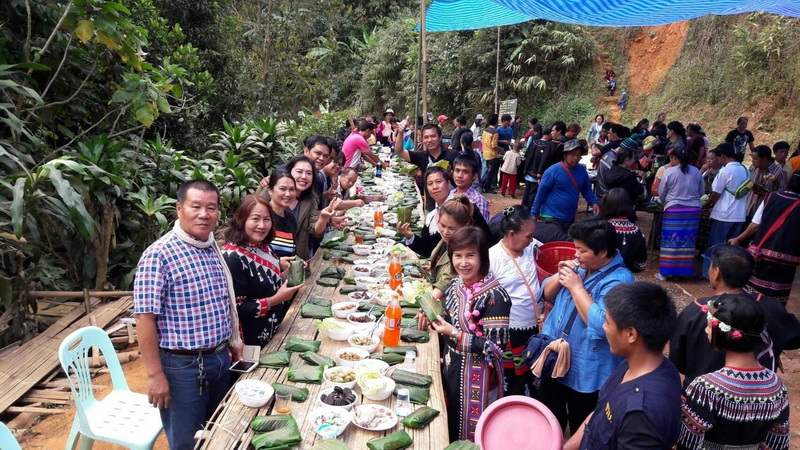
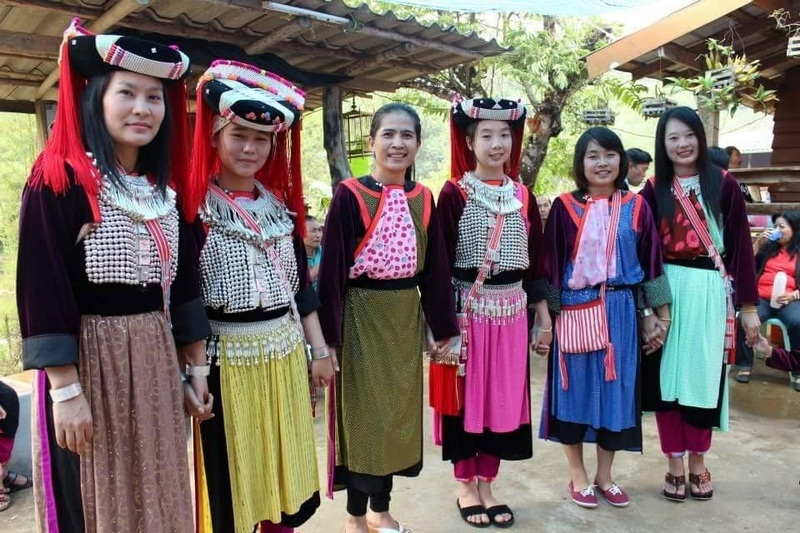
Clothing and music can be especially visible expressions of identity, but they should not be separated from the people who use them. A garment may have meaning within family life or ceremonial settings, while a song may belong to a particular occasion rather than a daily tourist experience. When visitors encounter traditional dress, instruments, dancing, or handmade objects, they should ask whether observation or photography is welcome. Appreciation is more thoughtful when it recognizes context instead of treating cultural expressions as decorative souvenirs.
Food can provide another gentle way to understand village life. Ingredients may reflect the surrounding environment, household gardens, markets, and regional exchange. If a host offers food, accepting with gratitude is generally appropriate when possible, while dietary restrictions can be explained politely. Visitors should not assume that every meal, recipe, or ingredient represents all Lahu people. A simple question about how a dish is prepared may lead to a more meaningful conversation than a request for a staged demonstration.
How to Be a Considerate Guest
Consent is the foundation of a responsible village visit. Ask before taking photographs of people, homes, religious objects, ceremonies, children, or work areas. A friendly smile is not automatically permission for a close-up image. If someone declines, the answer should be accepted without persuasion. Visitors should also avoid photographing private spaces through doorways or windows, and they should be cautious about sharing images publicly when individuals can be identified.
Dress should be modest and suitable for a residential community, particularly near religious or ceremonial spaces. Keep voices low, follow local guidance, and avoid entering homes, gardens, fields, or sacred areas without an invitation. Do not touch clothing, tools, decorations, or ritual objects simply because they appear interesting. Small actions such as waiting to be invited, removing shoes where requested, and keeping pathways clear demonstrate respect more effectively than elaborate gestures.
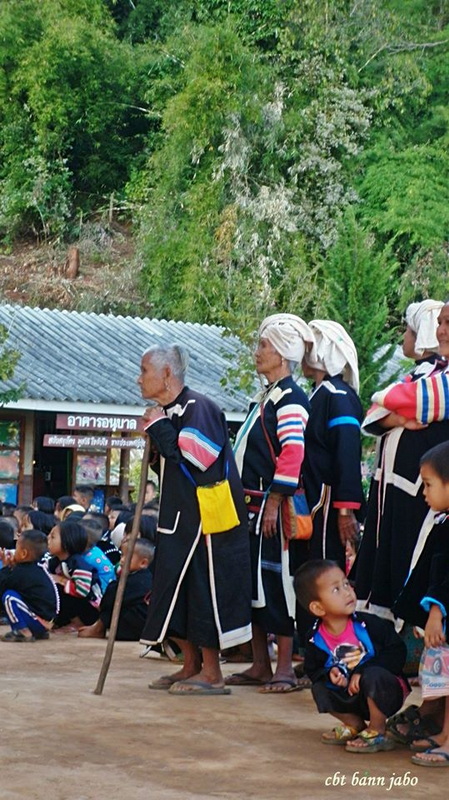
Conversation works best when it is based on curiosity rather than assumptions. Questions about food, farming, language, education, music, or local history can be appropriate if asked gently. Avoid framing people as primitive, untouched, mysterious, or exotic. Do not ask residents to repeat a performance, pose in a certain way, or prove their identity for a photograph. A village visit should leave residents feeling that their time and choices were valued, not that their lives were consumed as entertainment.
Using Chiang Mai Travel Context Responsibly
Many travelers encounter Lahu communities while researching a Chiang Mai Package Tour. Search results may use phrases such as Lahu Hilltribe, Muser Hilltribe, or Muser Hill Tribe Information Thailand, but terminology alone does not reveal how a visit is organized or whether it benefits residents. Before choosing an itinerary, travelers can ask who leads the experience, whether community members have a meaningful role in decisions, and how photography, shopping, donations, and demonstrations are handled.
A responsible travel arrangement should allow for informed consent and should avoid treating a village as a guaranteed attraction. Community preferences may change, and some activities may not be available or appropriate on a particular day. Travelers should be wary of promises that an encounter will be completely untouched or perfectly authentic. Authenticity is not a fixed visual quality; it is connected to whether people retain agency over how their homes, traditions, and stories are presented.
When comparing travel options, consider whether the experience creates respectful conversation rather than a rushed sequence of observations. A locally informed interpreter can help explain etiquette and reduce misunderstandings, but interpretation should not replace direct respect for residents. Travelers can also support local livelihoods by purchasing items transparently when invited, paying fair attention to the maker’s story, and avoiding pressure to bargain aggressively over small handmade goods.
What a Meaningful Visit Can Leave Behind
The strongest memory of a Lahu village may not be a spectacular viewpoint or a posed photograph. It may be the sound of conversation near a home, the patience involved in agricultural work, the explanation of a family tradition, or the realization that ordinary routines carry cultural significance. Visitors should give themselves time to notice these quieter details without turning every moment into content for social media.
Responsible travel also involves reflecting on what has been learned and what remains unknown. A short visit cannot explain the full history of Lahu communities, their relationships with the Thai state, regional migration, or the pressures affecting upland livelihoods. It is reasonable to leave with further questions. Reading carefully, supporting community-led initiatives when their purpose is clear, and sharing photographs only with consent can extend respect beyond the day of travel.
Muser is a name used in Thailand in connection with Lahu people and communities, but labels can carry different meanings in different settings. Travelers seeking Muser Hill Tribe Information Thailand should therefore treat general descriptions as an introduction rather than a complete definition. Listening to local people and recognizing variation between communities are essential parts of cultural understanding.
Looking Ahead to Your Visit
A visit to a Lahu Hill Tribe community can be meaningful when it begins with humility and ends with respect. Daily life, belief, work, family, and cultural expression should be understood as parts of a living society, not as attractions arranged for inspection. Whether the journey is connected to a Chiang Mai Package Tour or planned independently, ask permission, follow local guidance, protect privacy, and allow residents to define their own stories. The most valuable encounter is one in which curiosity becomes understanding without compromising anyone’s dignity.
Comments
Post a Comment