Experiencing Sai Ngam Hot Spring on a Mae Hong Son Journey
A relaxed nature experience connecting forest bathing, Pai discoveries, and thoughtful tours from Chiang Mai

A visit to Sai Ngam Hot Spring is less about ticking off a landmark and more about changing pace. After the winding journey into Pai District, Mae Hong Son, the spring offers a quiet setting where warm mineral water, dense greenery, and the sounds of the forest shape the experience. Visitors can linger, observe, and let the landscape become part of the journey rather than rushing through it. For independent travelers, the attraction also fits naturally into a wider route through Maehongson. A Chiang Mai-based itinerary can combine scenic travel with time in Pai and a visit to the spring, while a longer journey allows room for waterfalls, local streets, and village areas. The most useful approach is to choose a tour structure that matches your travel rhythm, then keep the day flexible enough for weather, road conditions, and time spent enjoying each place.
Arriving with the right expectations
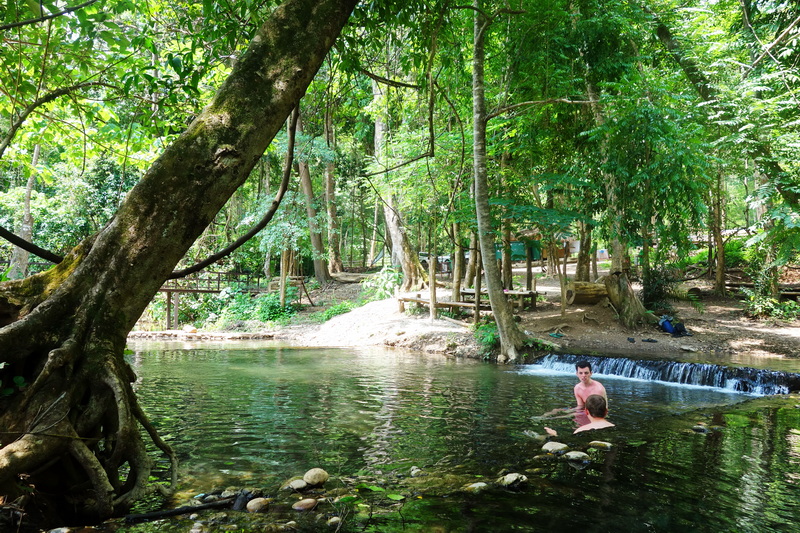
Sai Ngam Hot Spring has a simple appeal: warm water in a natural forest environment. The pools are associated with mineral-rich spring water, and the surrounding trees provide a shaded atmosphere that feels very different from an urban bathing facility. The setting is the main attraction. Rather than expecting elaborate entertainment or a highly developed resort, visitors should approach it as a nature stop with space to slow down.
The experience can begin before reaching the water. The road through the Pai area leads away from the town centre and into a greener landscape, and the change in scenery helps create a sense of separation from the busier parts of a holiday. Once at the site, visitors may notice how the forest frames the bathing areas and how the soundscape encourages quiet conversation. These small details are central to the appeal of Sai Ngam Natural Mineral Spring.
A respectful visit also means treating the spring as a shared public environment. Follow posted instructions, use the designated bathing areas, avoid bringing glass or unnecessary packaging, and keep voices moderate when other people are relaxing nearby. Mineral water and natural surroundings do not remove the need for ordinary care. Leaving the area clean helps preserve the experience for residents and future visitors.
Choosing a Chiang Mai to Mae Hong Son experience
Travelers beginning in Chiang Mai can reach the Pai and Mae Hong Son area through several kinds of organised travel arrangements. Some itineraries focus on the road journey and major stops, while others allow more time for local experiences. A route that includes Sai Ngam Hot Spring may be suitable for people who want a nature-focused pause rather than a schedule filled with attractions. When comparing options, look at the places included, the amount of time allocated at each stop, and whether the overall pace suits you.
The phrase Best Mae Hong Son Tours From Chiang Mai is useful when beginning research, but the best choice depends on personal priorities rather than a universal ranking. A traveler interested in landscapes may prefer a route with longer outdoor stops. Someone who values local food and town life may want more free time around Pai. Travelers who dislike a tightly managed day should check how much independent time is available before making arrangements.
Exact departure times, prices, and inclusions can change between operators and seasons, so they should be confirmed directly before booking. It is also sensible to ask about transport comfort, luggage space, road stops, and what happens if heavy rain affects the route. The mountain roads can make travel feel long even when the map distance seems modest. Building in patience is part of making the journey enjoyable.
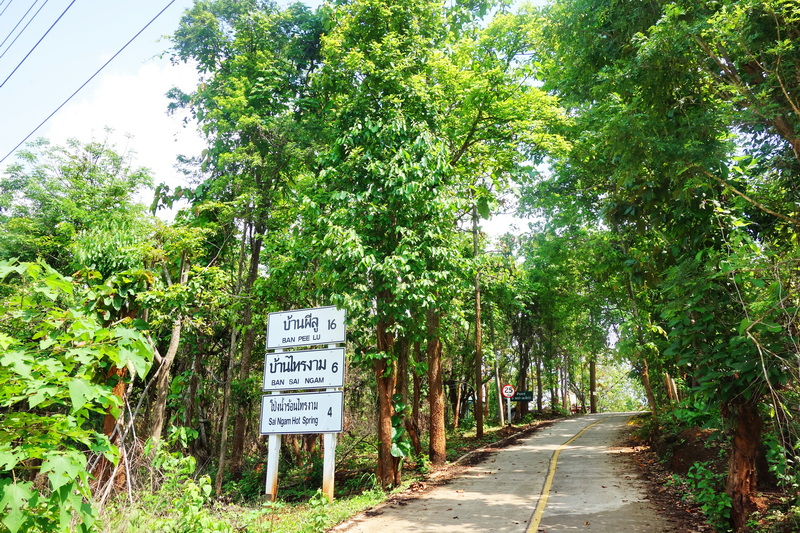
For those who prefer to plan independently, a rented vehicle or locally arranged transport can offer greater flexibility, provided the driver is comfortable with winding roads and changing conditions. Visitors should carry water, sun protection, suitable footwear, and any personal medication needed during the day. The aim is not to fill every available hour, but to make the journey manageable enough that the spring and nearby places can be appreciated without fatigue.
Reading the landscape at Saingam Hot Spring
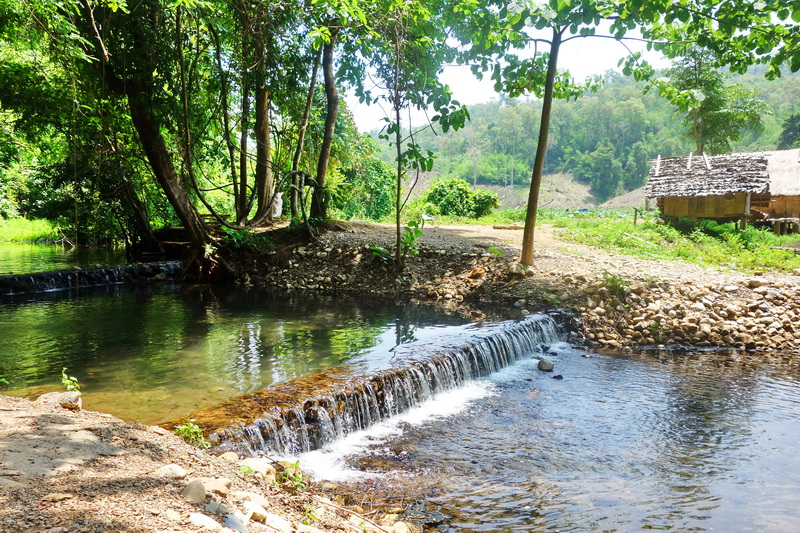
At Saingam Hot Spring, the natural features are best understood through direct observation. Warm water emerges from underground and gathers in bathing pools set among vegetation. The mineral content gives the water its distinctive character, while the forest setting softens the built environment around it. Depending on the season and recent weather, the appearance of the water, surrounding ground, and vegetation may vary.
The spring is a place for unhurried sensory experiences. Feel the difference between the warmth of the water and the cooler air under the trees. Notice the changing light on the surface and the way leaves, rocks, and branches define the pools. These observations may sound modest, but they explain why many people remember a natural spring as a feeling of place rather than as a single photograph.
Visitors should take personal comfort and safety seriously. Test the water carefully before entering, remain attentive to children and anyone who may be sensitive to heat, and obey local signs or staff guidance. Avoid entering areas that are not designated for bathing. If the water feels too hot or you feel unwell, leave the pool, cool down, and seek assistance when necessary.
Photography can be part of the visit, but it should not dominate it. Ask permission before photographing other bathers, and avoid placing a camera in someone else’s private moment. A low-impact approach allows visitors to enjoy Sai Ngam Hot Springs while respecting the quiet character that makes the location attractive.
Building a day around Pai rather than racing through it
A spring visit works well as one chapter of a Pai-area day. Instead of treating the attraction as an isolated stop, travelers can think about the contrast between forest, water, and town life. Time in the countryside offers quiet reflection, while Pai’s central areas provide opportunities to walk, eat, browse, and observe everyday movement. This balance creates a fuller impression of the district without requiring an overloaded itinerary.
Weather should influence the order of stops. In warm conditions, an earlier or later visit may feel more comfortable, while rain can affect roads, walking surfaces, and visibility. Conditions in the mountains can change, so flexible planning is more useful than trying to predict every detail weeks in advance. A local driver, tour coordinator, or accommodation host may be able to provide current practical guidance, although travelers should still make their own safety decisions.
A visit to Sai Ngam Hot Spring Thailand is also an opportunity to think about the relationship between tourism and local resources. Springs are not merely scenic backdrops; they are places with physical limits and community value. Use water thoughtfully, respect signs, avoid litter, and do not assume that every natural area is available for unrestricted exploration. These habits help keep the visit pleasant and reduce pressure on the environment.
Making the journey feel personal
The strongest memories of a Sai Ngam Hot Spring Travel Guide may come from choices that are not listed on a standard itinerary: leaving enough time to sit quietly, noticing the road after rain, or sharing a simple conversation after a forest swim. Independent travelers can use organised transport for the difficult parts while still protecting time for their own discoveries. The result is a journey that feels supported without becoming completely scripted.
When planning to Visit Sai Ngam Hot Spring, consider what you want the stop to contribute to the wider trip. It might be a restorative break after a long drive, a nature experience for travelers who do not want a strenuous hike, or a chance to see a less urban side of Pai. There is no need to force one interpretation. The attraction can be meaningful precisely because it leaves room for different kinds of attention.
A thoughtful itinerary may also include a conversation with local businesses or residents, provided it is approached respectfully and without treating people as part of a performance. Choose locally operated services where practical, follow community rules, and remember that visitors are entering places where people live and work. This awareness adds depth to the journey while keeping the focus on dignified, ordinary encounters.
Nearby Attractions
Pai Walking Street
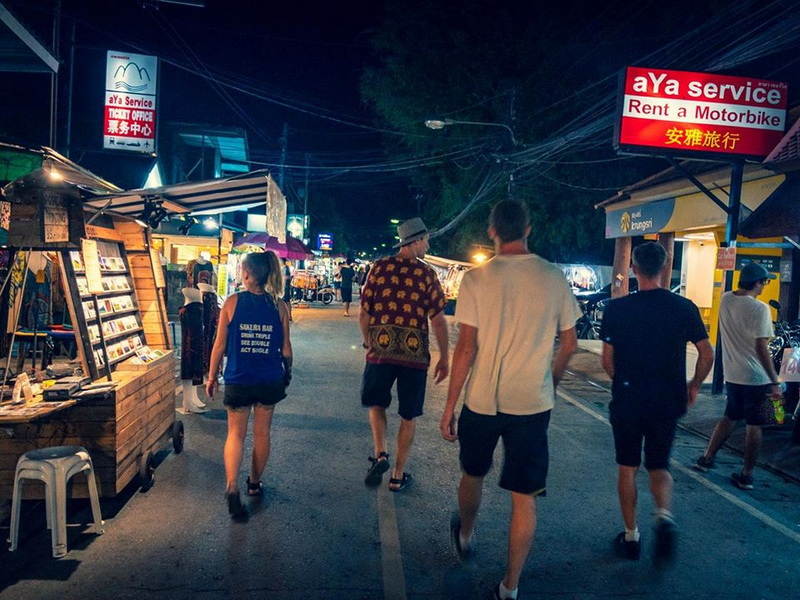
Pai Walking Street offers a contrasting experience after the quiet of the spring. The central pedestrian area is associated with evening browsing, food stalls, small shops, and the movement of both residents and visitors. It is a useful place to experience Pai’s social atmosphere, but it should be approached as a living town space rather than a themed attraction.
Take time to walk at an easy pace, keep personal belongings secure, and ask before photographing vendors or performers. Sampling local food can be part of the experience, while travelers with allergies should communicate clearly and make cautious choices. A visit here pairs naturally with Sai Ngam Hot Spring because the two places show different sides of the district: forest calm and an active public meeting place.
Mor Paeng Waterfall
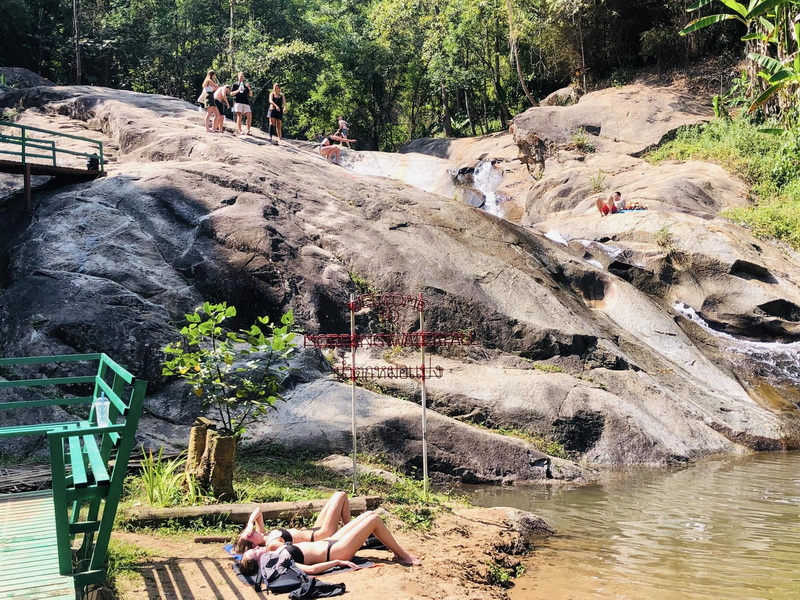
Mor Paeng Waterfall adds another outdoor perspective to a Pai itinerary. Its appeal comes from flowing water, rock formations, and a natural setting where visitors can pause and enjoy the landscape. Conditions can vary with rainfall, and wet rocks may be slippery, so sturdy footwear and careful movement are more important than trying to reach every possible viewpoint.
The waterfall and the spring offer different kinds of water-based experiences. Sai Ngam is associated with warm mineral pools and a slower bathing atmosphere, while Mor Paeng encourages visitors to observe the movement of running water and the surrounding terrain. Allow enough time for each stop, follow local safety guidance, and avoid turning a photograph into a reason to enter an unsafe area.
Looking Ahead to Your Visit
Sai Ngam Hot Spring is most rewarding when treated as an experience rather than a quick checklist stop. Warm mineral water, forest shade, and the wider character of Pai create a gentle pause within a journey through Mae Hong Son. Whether reached through a carefully chosen Chiang Mai itinerary or independent planning, the visit becomes richer when travelers allow time for observation, respect local spaces, and balance the spring with places such as Pai Walking Street and Mor Paeng Waterfall. The road may take patience, but that slower rhythm is part of the destination’s appeal.
Comments
Post a Comment