Chiang Mai Monkey School Tour Guide with Nearby Attractions
Plan a thoughtful Mae Rim animal-attraction visit with practical expectations and nearby places to explore
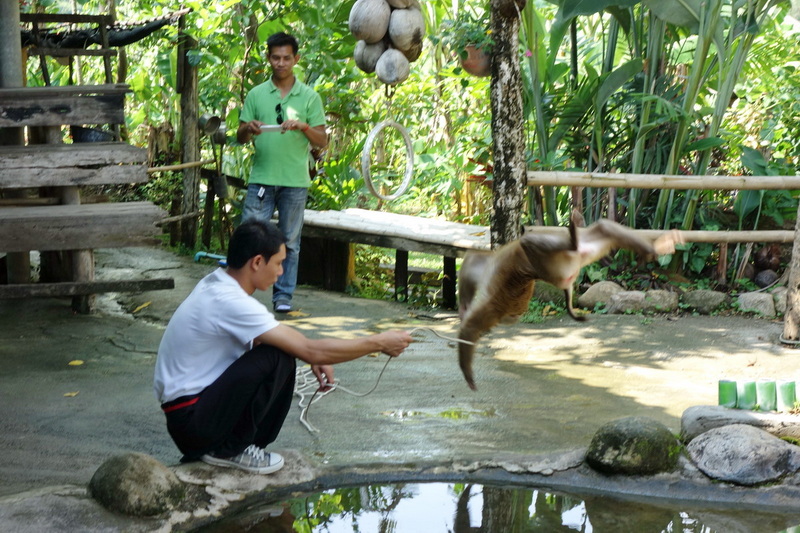
Chiang Mai Monkey School is often considered as part of an animal-focused outing in Mae Rim District, north of Chiang Mai city. For travelers comparing Zoos in Chiang Mai or looking for a compact day of attractions, the site can provide an opportunity to observe trained-animal demonstrations and learn how a visitor attraction presents its animals. The experience is best approached as an organized visit rather than an informal wildlife encounter. This Chiang Mai Monkey School Travel Guide focuses on planning choices, visitor expectations, and respectful observation. It does not assume that every performance, facility, or admission arrangement remains unchanged, so checking current information before leaving is sensible. The surrounding Mae Rim area also makes it possible to combine the visit with Chiang Mai Orchid Farms or Siam Insect Zoo, creating a fuller itinerary without treating every stop as interchangeable. Whether you are arranging independent sightseeing or comparing Tours in Chiang Mai, the main question is not simply how many attractions can fit into one day. It is whether the route allows enough time to observe carefully, move between places comfortably, and choose animal experiences that match your values and interests.
What the Monkey School Visit Represents
The Chiang Mai Monkey School presents a managed animal attraction in which visitors may observe monkeys carrying out trained behaviors or participating in demonstrations. A visitor should distinguish this setting from a national park or a wild-monkey viewing area. Animals are encountered within a controlled environment, and the purpose of the visit is shaped by the attraction’s program, facilities, and presentation style.
The phrase Chiang Mai Monkey Show is commonly used when people search for this experience, but a responsible visitor should look beyond the performance label. Consider whether the presentation offers useful context about the animals, whether viewing areas appear orderly, and whether staff communicate clear boundaries for visitors. These observations help travelers make informed choices without assuming that a show alone explains the animals’ needs or natural behavior.
Expectations can vary according to the current program and operating arrangements. Rather than relying on old travel posts, confirm opening information, presentation times, visitor rules, and any restrictions directly through current official or local sources. This is particularly important when a day itinerary includes several stops, because a change at one attraction can affect the rest of the route.
How to Fit It into Tours in Chiang Mai
Tours in Chiang Mai range from tightly scheduled city circuits to flexible private outings, and an animal-attraction day in Mae Rim can suit either approach. A structured tour may simplify coordination when several sites are included, while a more flexible plan can give you time to pause, read interpretive material, and decide whether to stay for an entire presentation. The right choice depends on how much control you want over timing and how many additional stops are realistic.
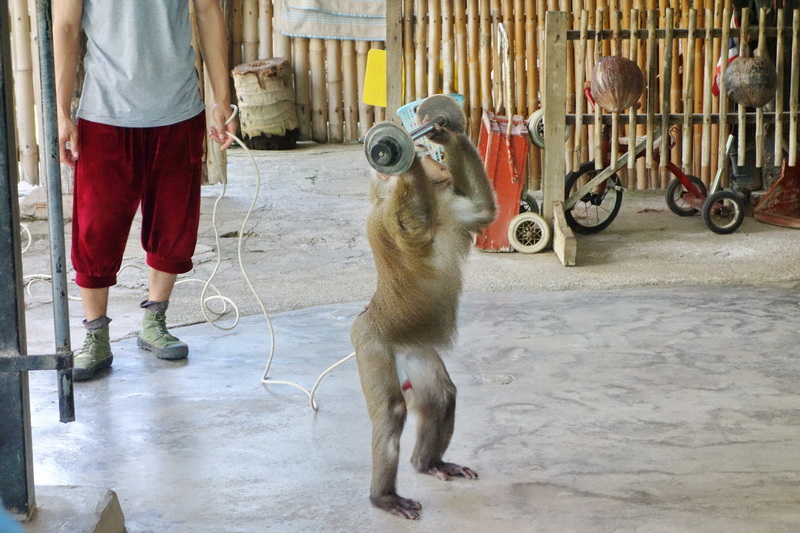
When comparing a Chiang Mai tour or Chiang Mai day tour, look carefully at the wording used to describe the itinerary. Check whether the Monkey School is a principal destination or simply one brief stop among many. Ask whether admission arrangements, guiding, and time at each site are clearly explained. Avoid judging an itinerary only by its number of attractions; a shorter route may provide a more comfortable and attentive experience.
Mae Rim is outside the central urban area, so grouping attractions in the same general district can make more sense than crossing the city repeatedly. Still, distance on a map does not equal actual travel time. Traffic, weather, meal breaks, and the pace of the group all matter. Leave a buffer between activities instead of planning each movement with no margin for delay.
A Practical Chiang Mai Monkey School Visitor Guide
Before you Visit Monkey School, decide what you want to observe. Some travelers are interested in training methods, others in photography, and some simply want to understand how a long-established local attraction operates. Having a clear purpose makes it easier to evaluate the visit calmly rather than feeling pressured to treat every advertised activity as essential.
Wear practical clothing suited to warm conditions and outdoor movement, and carry water while following the venue’s current rules. Keep personal items secure, especially when near animals, and do not attempt to touch, feed, call to, or pose closely with them unless staff explicitly permit an activity. A respectful distance protects both visitors and animals. Loud gestures and sudden movements can also interfere with demonstrations and make the environment less comfortable.
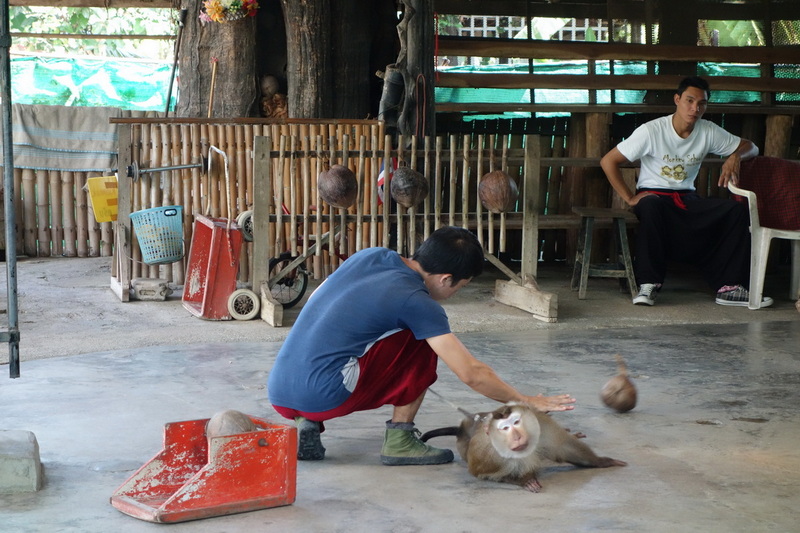
Photography should remain secondary to observation. Follow restrictions on flash, filming, and equipment, and avoid blocking other people’s view. If an interaction is offered, listen carefully to the staff member’s instructions and consider whether participation is appropriate for you. Travelers who are uncomfortable with close animal contact can still learn from the setting by watching from designated areas and focusing on the educational or operational context.
Families and first-time visitors may want to discuss expectations before arriving. Explain that trained behavior is not the same as a natural behavior display, and that animals may respond differently from one visit to another. This helps children understand why quiet observation and following boundaries matter. It also supports a more balanced view of animal tourism, where curiosity is paired with responsibility.
Combining Animal Attractions Thoughtfully
A useful Mae Rim itinerary does not need to collect every animal-related venue in one day. Select attractions with different strengths so the visit has variety: one place may emphasize trained-animal presentations, another plants and cultivated landscapes, and another small creatures or natural history. This approach reduces repetition and gives you more opportunities to compare how different attractions educate visitors.
Allow time for transitions and rest rather than treating each stop as a race. Heat can affect energy levels, and outdoor sites may feel more demanding than expected. A simple plan might place the Monkey School alongside one nearby attraction, with an optional third activity only if the day remains comfortable. Confirm each venue’s current details before committing, since schedules and visitor arrangements can change.
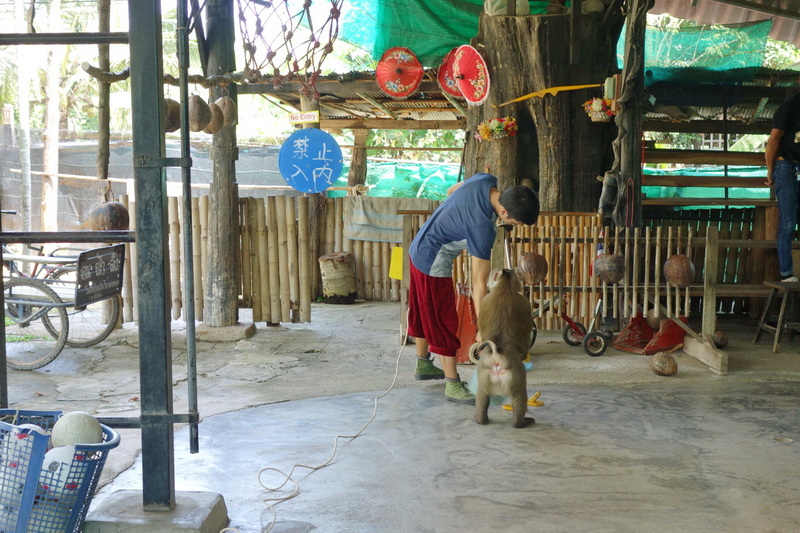
Responsible planning also means considering what your spending supports and how information is presented. Look for clear visitor guidance, reasonable boundaries, and signs that the attraction takes safety and animal welfare seriously. No single visual impression can answer every ethical question, but attentive travelers can avoid careless interactions and support a more respectful standard of tourism.
Questions to Settle Before Departure
Start by checking the attraction’s current status and the practical details that affect your day. Confirm whether the venue is open on your intended date, whether demonstrations are currently offered, and how visitors are expected to enter and move through the site. If information is unclear, seek confirmation before building a tightly timed route.
Next, decide how you will travel and whether your chosen tour format leaves enough time at each stop. If joining a group, ask what happens if traffic causes a delay and whether the itinerary can accommodate visitors who prefer not to participate in close animal interactions. If traveling independently, keep the plan simple and retain flexibility for weather or unexpected changes.
Finally, think about your own standards for an animal attraction. You may wish to prioritize educational value, transparent visitor rules, quiet observation, or the ability to decline direct contact. These preferences are legitimate planning criteria. A successful visit is not measured only by photographs or the number of shows seen; it is also measured by whether you felt informed, comfortable, and respectful throughout the experience.
Nearby Attractions
Chiang Mai Orchid Farms
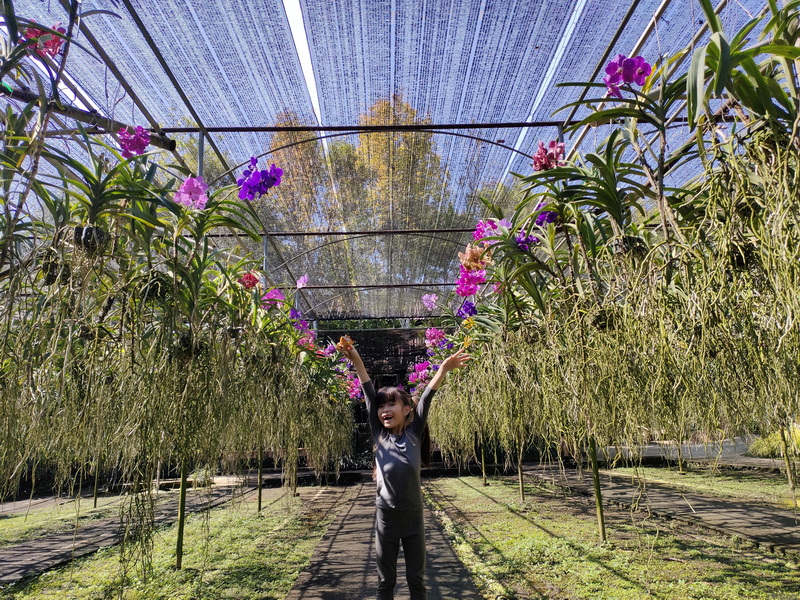
Chiang Mai Orchid Farms can add a calmer botanical dimension to a Mae Rim animal-attraction itinerary. Orchid displays and cultivated gardens offer a chance to observe plant diversity, colors, and growing forms rather than focusing exclusively on animal performances. For travelers who want a change of pace after the Monkey School, this type of stop may provide a more relaxed setting for photography and quiet exploration.
When combining the farm with the Monkey School, allow enough time to appreciate each place on its own terms. Check current visitor information before setting the order of stops, and avoid assuming that every garden area or display is available in the same form throughout the year. The attraction works particularly well as part of a balanced route that includes both animal-related and nature-oriented interests.
Siam Insect Zoo
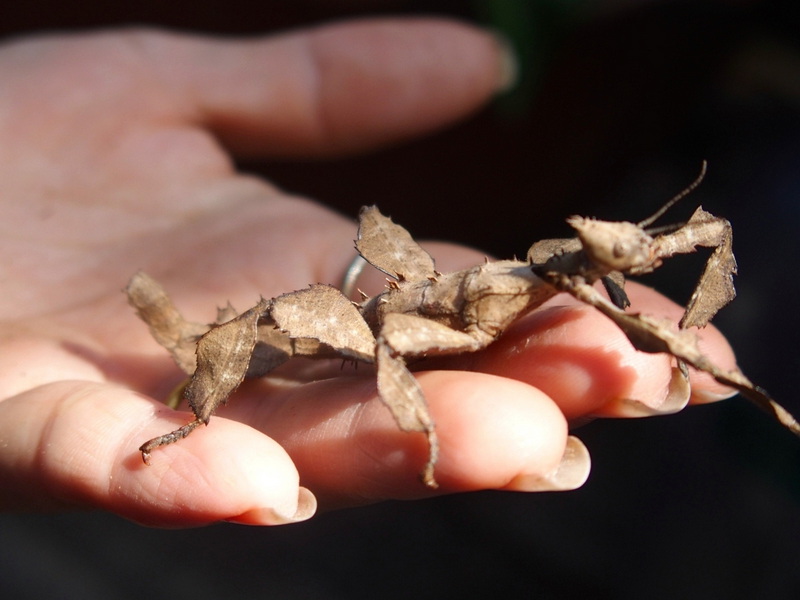
Siam Insect Zoo offers a different educational perspective within the Mae Rim area by focusing on insects and other small creatures. It can broaden a traveler’s understanding of animal life beyond the larger species commonly associated with tourist attractions. Observation here may encourage attention to anatomy, life cycles, adaptation, and the ecological importance of organisms that are often overlooked.
This is a useful companion stop for visitors who want variety in a Chiang Mai animal itinerary. Because the subject matter differs from the Monkey School, the two experiences need not feel repetitive. Read the displays, follow handling rules, and observe any living specimens without disturbing them. As with other attractions, verify current operating information and allow sufficient time for travel and thoughtful viewing rather than adding it merely to increase the number of stops.
Looking Ahead to Your Visit
The Chiang Mai Monkey School can be a practical component of a Mae Rim outing when approached with realistic expectations and respectful behavior. Use current information to confirm the visit, choose a tour structure that leaves breathing room, and consider whether the attraction’s presentation fits your interests and standards. Pairing it with Chiang Mai Orchid Farms or Siam Insect Zoo can create more variety without making the day unnecessarily crowded. The most rewarding plan is one that leaves time to observe, ask thoughtful questions, and treat animals, staff, and fellow visitors with care.
Comments
Post a Comment