Wat Sri Suphan in Chiang Mai City Tours and Private Tour Packages
Discover the cultural significance of Wat Sri Suphan and how it enriches Chiang Mai city tours and private tour experiences
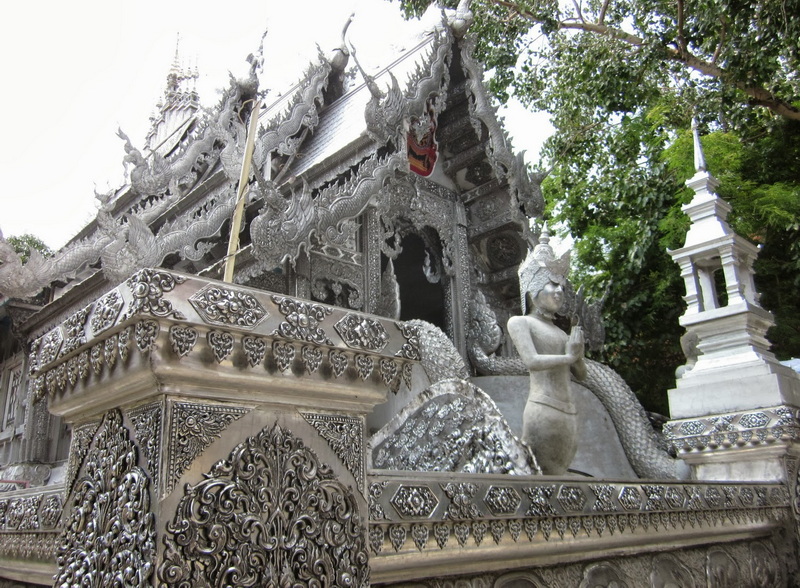
Wat Sri Suphan, often referred to as the Silver Temple Chiang Mai, stands out as one of the most culturally significant and visually striking temples in Northern Thailand. Located in Muang Chiang Mai, this temple is renowned for its intricate silverwork and traditional Lanna architecture, offering visitors a unique glimpse into the region’s artistic heritage. Its importance within the religious and cultural landscape of Chiang Mai makes it a vital stop for travelers seeking meaningful experiences beyond the typical tourist path. Chiang Mai city tours frequently include Wat Sri Suphan as a highlight due to its distinctive craftsmanship and historical value. These tours provide a well-rounded perspective on northern Thai culture, integrating visits to other notable temples and local markets. For travelers looking for a more personalized experience, private Chiang Mai tour packages often feature Wat Sri Suphan prominently, allowing for deeper exploration and flexible itineraries tailored to individual interests. This article serves as a focused guide on Wat Sri Suphan’s role within Chiang Mai city tours and private tour packages. It aims to help travelers understand the temple’s cultural importance while offering practical advice on how to include it in their travel plans. Additionally, it highlights nearby attractions that complement a visit to Wat Sri Suphan, enhancing the overall experience in this vibrant city.
Cultural and Historical Importance of Wat Sri Suphan
Wat Sri Suphan is celebrated as one of the Important Temples In Northern Thailand due to its unique silver embellishments that cover much of the temple’s exterior and interior. Unlike many other temples that primarily feature gold leaf or painted murals, this temple’s use of silver reflects the skill of local artisans and the region’s rich tradition in silversmithing. The temple’s official name is Wat Sri Suphan Wua Lai, and it dates back several centuries, serving both religious and artistic purposes throughout its history.
The temple is not only a place of worship but also a living museum of northern Thai craftsmanship. Visitors can observe detailed silver sculptures and decorations that depict Buddhist mythology and local folklore. This artistic heritage connects visitors to the spiritual and cultural identity of Chiang Mai and the wider Lanna Kingdom, which once flourished in this area.
Respectful visitor behavior is strongly encouraged at Wat Sri Suphan, as it remains an active religious site. Photography is often restricted in certain sections, especially inside the main ordination hall, to preserve the sanctity of the space. Understanding and honoring these cultural sensitivities enriches the visitor experience and supports the preservation of the temple’s heritage.
Incorporating Wat Sri Suphan into Chiang Mai City Tours
Chiang Mai city tours frequently include a visit to Wat Sri Suphan as part of a broader itinerary that showcases the city’s most revered temples and cultural landmarks. These tours often combine visits to Wat Sri Suphan with other Important Temples In Northern Thailand, such as Wat Chedi Luang and Wat Phra Singh, providing a comprehensive understanding of the city’s spiritual landscape.
Tour itineraries typically begin with a guided introduction to the history and artistry of Wat Sri Suphan, explaining the significance of the silver decorations and the temple’s role within the community. Visitors gain insight into northern Thai Buddhist practices and the architectural styles that distinguish Chiang Mai’s temples from those in other regions.

Chiang Mai city tours that feature Wat Sri Suphan also often include stops at local markets like Warorot Market, allowing travelers to experience the vibrant daily life of the city alongside its spiritual heritage. This combination of cultural and religious sites makes these tours appealing to travelers who want a balanced and engaging itinerary.
For travelers interested in a half-day or full-day city tour, including Wat Sri Suphan offers a distinctive highlight that differentiates Chiang Mai tours from other northern Thai destinations.
Private Chiang Mai Tour Packages Featuring Wat Sri Suphan
Private Chiang Mai tour packages provide a flexible and personalized way to explore Wat Sri Suphan and other cultural sites in Muang Chiang Mai. These packages cater to travelers who prefer a tailored experience, whether for families, small groups, or solo travelers seeking deeper engagement with local heritage.
Unlike group tours, private packages allow visitors to spend more time at Wat Sri Suphan, exploring its silver craftsmanship at a comfortable pace and asking questions about the temple’s history and significance. Guides on private tours often customize the route to include other nearby attractions or market visits based on visitor interests.
Private tour packages may also provide options to combine Wat Sri Suphan with other Important Temples In Northern Thailand or unique experiences such as traditional craft workshops. These packages emphasize cultural education alongside practical trip planning, ensuring travelers can maximize their time while respecting the temple’s religious context.

While specific package details vary, private tours typically include transportation, a knowledgeable guide, and flexible scheduling, making them an excellent choice for visitors who want to integrate Wat Sri Suphan into a broader exploration of Chiang Mai’s cultural landscape.
Visitor Considerations and Practical Tips for Touring Wat Sri Suphan
When planning a visit to Wat Sri Suphan, it is important to dress modestly and respectfully, as the temple remains an active place of worship. Shoulders and knees should be covered, and visitors are advised to remove shoes before entering any temple buildings.
Because Wat Sri Suphan is known for its intricate silverwork, many visitors find guided tours especially valuable to fully appreciate the craftsmanship and symbolism present throughout the temple. Whether joining a Chiang Mai city tour or booking a private package, choosing a guide familiar with the temple’s history enhances the overall experience.
Photography restrictions inside the temple’s main hall mean visitors should be prepared to respect these rules. Outdoor areas and some sections of the temple grounds are generally open for photography, offering ample opportunities to capture the temple’s distinctive metalwork.
Scheduling visits early in the day can help avoid crowds and provide a more contemplative atmosphere. Additionally, combining Wat Sri Suphan with visits to nearby attractions like Warorot Market and Wat Chedi Luang creates a well-rounded itinerary that balances cultural, spiritual, and local market experiences.

Nearby Attractions That Enhance the Wat Sri Suphan Experience
Wat Sri Suphan is conveniently located near other notable sites in Muang Chiang Mai, making it easy for visitors to extend their cultural exploration. Two key nearby attractions that complement a visit to the Silver Temple Chiang Mai are Warorot Market and Wat Chedi Luang.
Warorot Market offers an authentic glimpse into local life, with vendors selling a wide array of goods ranging from fresh produce and traditional snacks to textiles and handicrafts. Visiting this bustling market after exploring Wat Sri Suphan allows travelers to experience the everyday culture of Chiang Mai residents and perhaps pick up unique souvenirs.
Wat Chedi Luang, another Important Temple In Northern Thailand, is a short distance from Wat Sri Suphan and provides a contrasting historical perspective. Known for its massive ruined chedi and serene atmosphere, Wat Chedi Luang deepens visitors’ understanding of Chiang Mai’s spiritual heritage and architectural evolution.
Together with Wat Sri Suphan, these nearby attractions create a rich tapestry of cultural experiences that highlight the diversity and depth of Chiang Mai’s northern Thai identity.
Nearby Attractions
Warorot Market
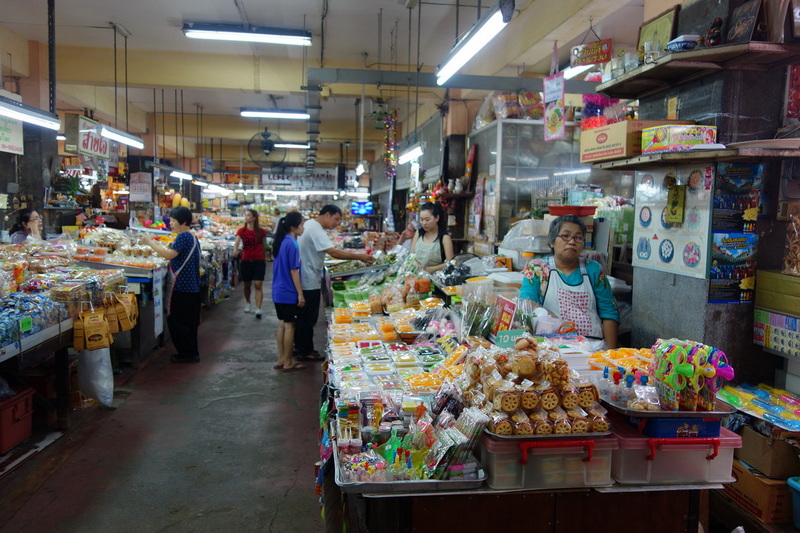
Warorot Market is one of Chiang Mai’s oldest and most vibrant marketplaces, located just a short distance from Wat Sri Suphan. It serves as a central hub for locals and visitors alike, offering an extensive range of products including fresh fruits, vegetables, spices, traditional Lanna textiles, and handmade crafts.
The market’s lively atmosphere provides an immersive cultural experience where visitors can observe daily commerce and sample northern Thai street food. Warorot Market is an ideal place to explore after visiting Wat Sri Suphan, as it offers insight into the city’s local lifestyle and culinary traditions.
For travelers interested in authentic shopping and cultural interaction, Warorot Market is an essential stop that complements the spiritual and artistic journey of the Silver Temple Chiang Mai.
Wat Chedi Luang
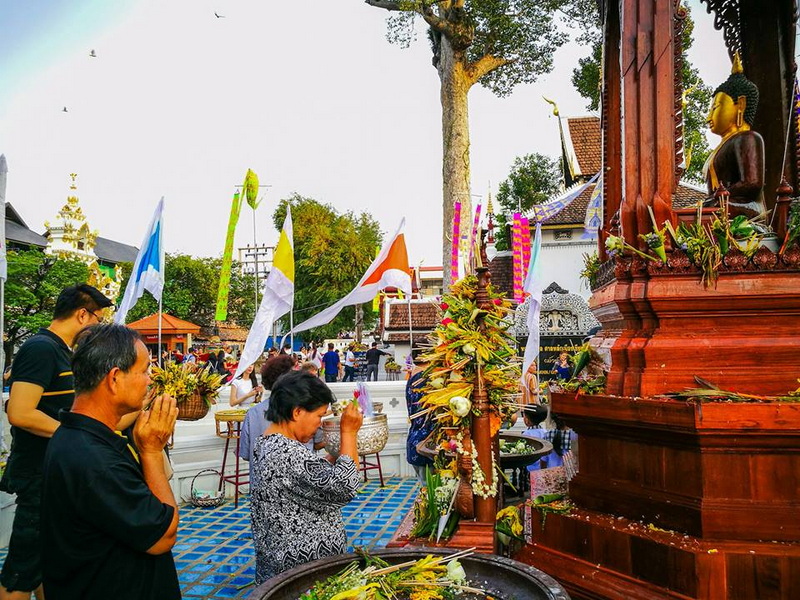
Wat Chedi Luang is a historic temple located near Wat Sri Suphan and is considered one of the most Important Temples In Northern Thailand. Its most famous feature is the large, partially ruined chedi (stupa) that dates back to the 14th century, which once housed the revered Emerald Buddha.
Visitors to Wat Chedi Luang can explore the temple complex’s serene grounds, admire the blend of Lanna and Burmese architectural influences, and learn about its significant role in Chiang Mai’s religious history. The temple remains an active place of worship, with monks residing on-site and daily ceremonies held.
Including Wat Chedi Luang in a Chiang Mai city tour alongside Wat Sri Suphan offers a balanced experience of both artistic craftsmanship and ancient spiritual heritage, enriching the visitor’s understanding of northern Thai Buddhism.
Looking Ahead to Your Visit
Wat Sri Suphan stands as a shining example of northern Thai cultural heritage, combining religious significance with extraordinary artistic expression. Integrating this temple into your Chiang Mai city tour or private tour package ensures a memorable and meaningful experience that goes beyond sightseeing. By respecting local customs and understanding the temple’s historical context, visitors can gain deeper appreciation for the region’s traditions. Pairing your visit with nearby attractions like Warorot Market and Wat Chedi Luang further enriches your journey through Chiang Mai’s vibrant cultural landscape, offering a well-rounded exploration of this northern Thai city’s spiritual and everyday life.
Comments
Post a Comment