Wat Pha Lad Trekking and Temple Tours in Northern Thailand
Explore trekking routes and temple tours around Wat Pha Lad with nearby cultural and nature attractions
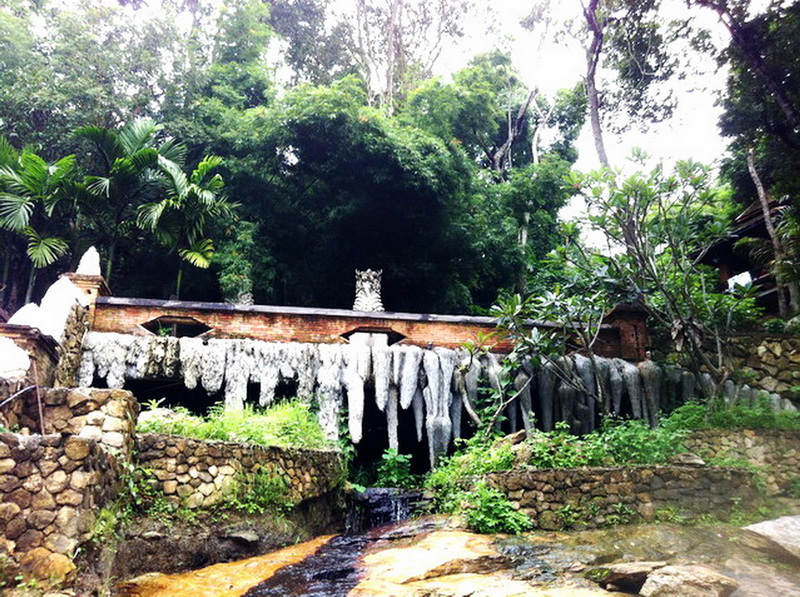
Nestled in the lush hills of Muang Chiang Mai, Wat Pha Lad offers a unique blend of natural beauty and spiritual heritage. Known for its serene atmosphere and intricate temple architecture, it stands out as one of the Important Temples In Northern Thailand. For travelers seeking an active experience, the Wat Pha Lat Trek presents an invigorating route that combines scenic hiking with cultural immersion. This trek not only leads visitors through verdant forest trails but also culminates at the tranquil temple grounds, offering a peaceful respite. Beyond the trek itself, visitors can complement their journey with the Chiang Mai temple tour Doi Suthep, a well-known itinerary that highlights some of the region’s most revered spiritual sites. Together, these experiences provide a comprehensive look at Northern Thailand’s religious and natural treasures. Additionally, nearby attractions such as Hmong Doi Pui Village and Chiang Mai Zoo enrich the visit, offering insights into local culture and wildlife. This guide is designed for active travelers and trekking enthusiasts who want practical information on how to explore Wat Pha Lad and its surroundings respectfully and confidently.
Overview of Wat Pha Lad and Its Significance
Wat Pha Lad, also referred to by variations such as Pha Lad Temple or Wat Pa Lad, is a revered temple located in Muang Chiang Mai. It is regarded as one of the Important Temples In Northern Thailand due to its spiritual history and connection to the local forest monk tradition. Unlike larger, more commercialized temples, Wat Pha Lad is nestled within a peaceful forest setting, giving visitors a chance to experience meditation and temple life in a calm environment.
The temple’s architecture reflects traditional northern Thai design, with wooden structures and ornately decorated Buddha images. The surrounding forest trails are maintained by monks, preserving the natural environment and enhancing the sense of tranquility. Visitors are encouraged to dress respectfully and observe quiet reverence while exploring the temple grounds.
Wat Pha Lad is often visited as part of a trekking itinerary, making it a unique destination that combines cultural heritage with outdoor adventure. Its location near Doi Suthep mountain means it shares a historical and spiritual connection with other important temples in the region.
Details on the Wat Pha Lat Trek
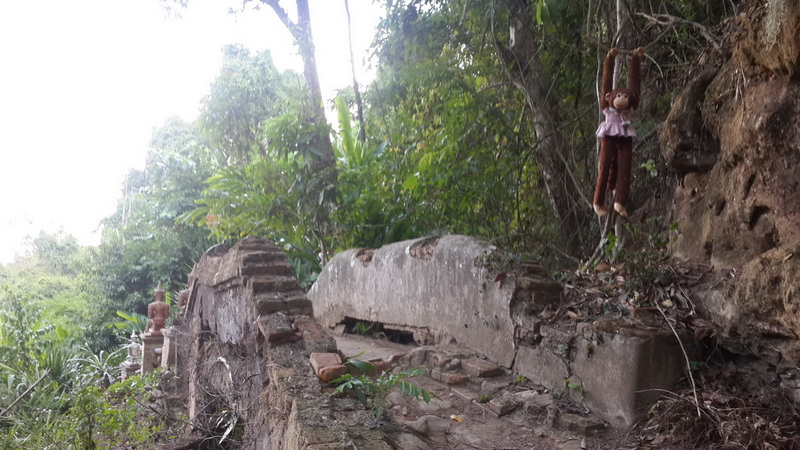
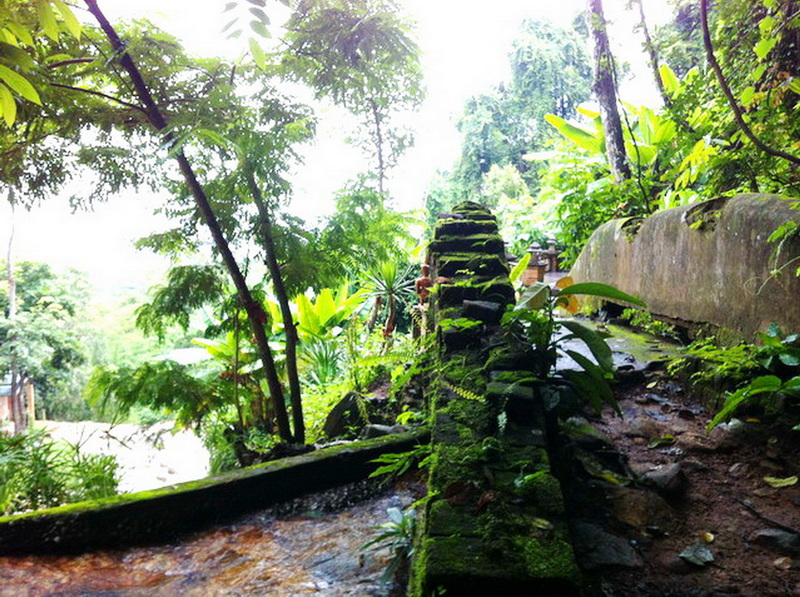
The Wat Pha Lat Trek is a favored route for those wishing to explore Northern Thailand’s natural beauty alongside its spiritual landmarks. This trek typically starts from the base of Doi Suthep mountain and follows a shaded forest path that winds through lush greenery and over small streams. The trail is well-marked and moderately challenging, suitable for travelers with a reasonable level of fitness.
Along the route, trekkers encounter small shrines and statues hidden in the forest, adding to the sense of discovery and sacredness. The path eventually leads to Wat Pha Lad, where visitors can rest and take in the peaceful temple ambiance. The trek offers rewarding views of the surrounding hills and glimpses of local wildlife, making it an enriching experience for nature lovers and spiritual seekers alike.
This trekking route is often combined with a visit to the more famous Wat Phra That Doi Suthep, allowing travelers to experience a range of temple styles and natural environments in one outing. Practical advice for the trek includes wearing sturdy footwear, bringing water and insect repellent, and respecting the temple’s rules on silence and dress code.
An Overview of the Chiang Mai Temple Tour Doi Suthep
The Chiang Mai temple tour Doi Suthep is a popular option for visitors looking to explore the spiritual heart of the region. This tour typically includes Wat Phra That Doi Suthep, one of Northern Thailand’s most iconic temples, along with nearby temples such as Wat Pha Lad. While Wat Pha Lad is less crowded, it offers a more intimate experience of temple life and forest surroundings.
The tour provides insight into Buddhist practices, temple architecture, and the historical significance of these sites. Visitors learn about the legends associated with Doi Suthep mountain and the role of the temples in local culture. The combination of walking, sightseeing, and cultural education makes this tour appealing to a wide range of travelers.
For those interested in trekking, the temple tour can be adjusted to include hiking segments, such as the Monk’s trail or the Wat Pha Lat Trek, allowing a more immersive and active exploration. The tour also encourages respectful engagement with the temple communities and emphasizes the importance of preserving natural and cultural heritage.
Exploring Nearby Attractions: Hmong Doi Pui Village and Chiang Mai Zoo
After experiencing the spiritual and natural offerings of Wat Pha Lad and the surrounding trekking routes, visitors can extend their journey by exploring nearby attractions that showcase local culture and wildlife. Hmong Doi Pui Village is a traditional hill tribe community located not far from the temple. It provides a window into the lifestyle, crafts, and customs of the Hmong people, one of the ethnic groups native to Northern Thailand.

Visitors to the village can observe traditional weaving, sample local foods, and learn about the community’s history and relationship with the mountainous environment. The village is set amidst picturesque landscapes, making it a serene stop after a day of trekking and temple visits.
Chiang Mai Zoo, also nearby, offers an opportunity to see a diverse collection of animals native to Thailand and beyond. It is a family-friendly destination that balances education with conservation efforts. For travelers focused on combining cultural and natural experiences, the zoo provides a complementary perspective on the region’s biodiversity.
Together, these nearby attractions enrich the itinerary around Wat Pha Lad, allowing visitors to appreciate the cultural diversity and ecological richness of Muang Chiang Mai.
Nearby Attractions
Hmong Doi Pui Village

Hmong Doi Pui Village is a traditional hill tribe settlement situated in the hills near Muang Chiang Mai. It is known for preserving the unique culture and customs of the Hmong people, including traditional textiles, handicrafts, and ceremonies. Visitors to the village can engage with local artisans and observe their craft-making processes, providing a rare cultural insight into this ethnic community.
The village’s location offers scenic views of the surrounding mountains and valleys, making it a peaceful retreat from the busier tourist areas. Walking through the village paths, travelers can experience authentic rural life and learn about the community’s connection to the natural environment.
Chiang Mai Zoo

Chiang Mai Zoo is a well-established wildlife park located within easy reach of Muang Chiang Mai. It houses a wide range of animal species, including native Thai wildlife and exotic animals from other parts of the world. The zoo emphasizes conservation and education, providing visitors with informative exhibits and opportunities to observe animals in habitats designed to mimic their natural environments.
For families and animal enthusiasts, the zoo offers a chance to learn about biodiversity and environmental stewardship in Northern Thailand. Visiting the zoo complements the temple and trekking experiences by adding an element of wildlife appreciation to the journey.
Looking Ahead to Your Visit
Wat Pha Lad stands as a distinctive destination combining the spiritual richness of Northern Thailand’s temples with the invigorating experience of forest trekking. By exploring the Wat Pha Lat Trek and engaging in the Chiang Mai temple tour Doi Suthep, travelers can enjoy a balanced itinerary that highlights both nature and culture. Nearby attractions like Hmong Doi Pui Village and Chiang Mai Zoo further broaden the experience, offering meaningful encounters with local communities and wildlife. Whether you are an active trekker or a cultural visitor, careful planning and respectful behavior will ensure a rewarding visit to this serene temple and its surroundings.
Comments
Post a Comment