Ban Khun Chang Kian Authentic Hill Tribe Village Experience
Discover the rich traditions and cultural guides of an authentic hill tribe village nestled in Muang Chiang Mai
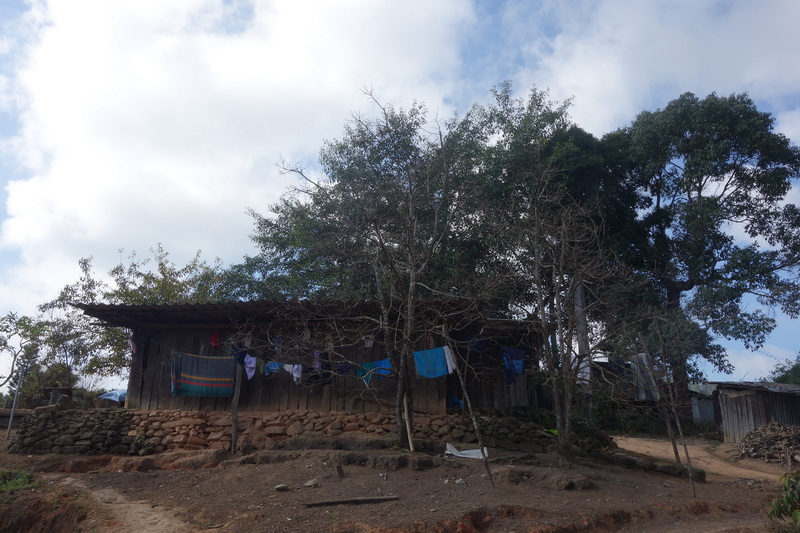
Nestled in the serene highlands of Muang Chiang Mai, Ban Khun Chang Kian offers travelers a unique window into the authentic life of northern Thailand's hill tribes. This village is renowned not only for its stunning natural surroundings but also for its preservation of Hmong cultural traditions, making it a standout destination among village attractions in Chiang Mai. Visitors seeking a genuine connection with indigenous communities will find Ban Khun Chang Kian an enriching and respectful experience. Unlike many tourist spots where cultural displays can feel staged, Ban Khun Chang Kian maintains its authenticity through the active involvement of local Hmong guides. These cultural ambassadors provide invaluable insights into the village’s history, customs, and daily life, encouraging visitors to engage with the community on a deeper level. The presence of these guides ensures that the experience is educational, respectful, and mutually beneficial, aligning with principles of ethical tourism. Beyond the village itself, nearby cultural sites enhance the visitor’s journey. The revered Wat Phra That Doi Suthep and the tranquil Wat Pha Lad offer additional layers of spiritual and historical context to the hill tribe culture experienced at Ban Khun Chang Kian. Together, these sites create a culturally immersive day trip that balances natural beauty, traditional ways of life, and religious heritage.
The Cultural Heart of Ban Khun Chang Kian
Ban Khun Chang Kian is a vibrant example of an authentic hill tribe village in northern Thailand, predominantly inhabited by the Hmong people. Their rich cultural heritage is reflected in traditional clothing, handicrafts, and agricultural practices that have been passed down through generations. Unlike commercialized tourist villages, Ban Khun Chang Kian retains its genuine way of life, allowing visitors to observe and appreciate the rhythms of daily village activities. Travelers researching Authentic Hill Tribe Village Thailand can use these details when planning the trip.
The village’s location in Muang Chiang Mai situates it amidst lush mountain landscapes, where terraced farming and natural resources play essential roles in sustaining the community. Visitors often find the peaceful environment conducive to learning about the Hmong’s spiritual beliefs and connection to the land. Traditional ceremonies, weaving techniques, and storytelling sessions are part of the cultural fabric that visitors can respectfully witness with the guidance of local hosts.
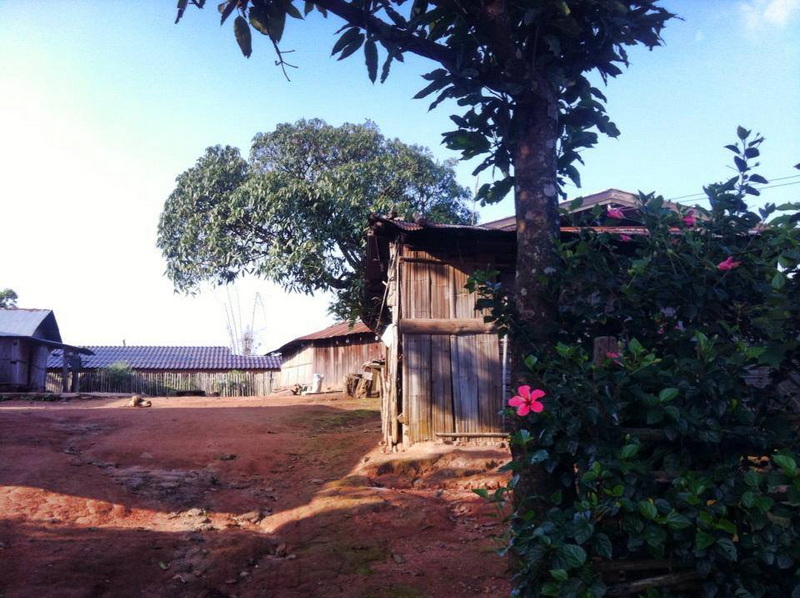
The Role of Cultural Guides in Enhancing Understanding
Central to the experience at Ban Khun Chang Kian are the cultural guides who serve as knowledgeable partners in sharing the village’s heritage. These guides are members of the community who have a deep understanding of Hmong traditions, language, and history. Their role transcends basic interpretation; they foster meaningful dialogue between visitors and villagers, ensuring that cultural exchanges are respectful and informative.
Through guided walks, demonstrations of traditional crafts, and explanations of local customs, these guides help visitors gain an authentic perspective on hill tribe life. This approach promotes ethical tourism by emphasizing consent and collaboration rather than mere observation. Visitors learn not just about the visible aspects of culture but also about the values, challenges, and aspirations of the Hmong people in contemporary Thailand.
Experiencing Village Attractions in Chiang Mai Beyond Ban Khun Chang Kian
While Ban Khun Chang Kian itself offers a profound cultural immersion, the surrounding region provides complementary attractions that enrich the visitor’s understanding of northern Thailand’s heritage. For example, Wat Phra That Doi Suthep is a significant Buddhist temple perched on a mountain overlooking Chiang Mai. It holds spiritual importance for many hill tribe communities and offers panoramic views alongside its intricate architecture and sacred relics.
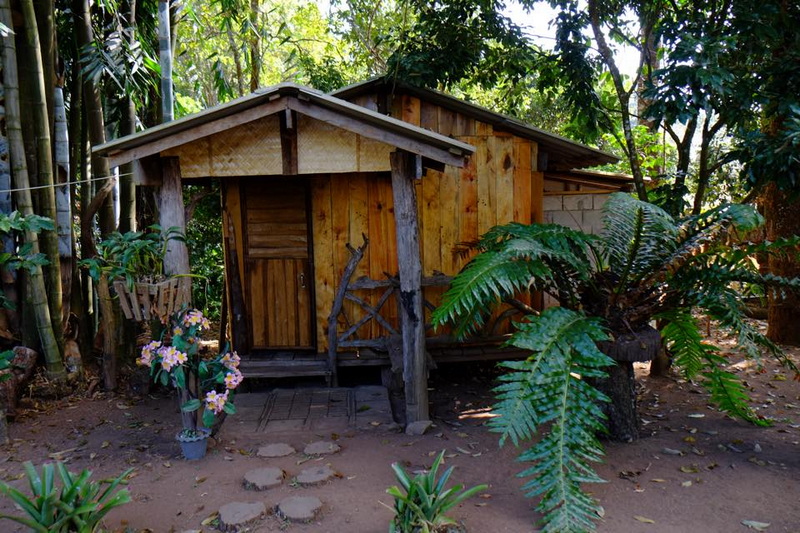
Similarly, Wat Pha Lad, a lesser-known but serene temple nearby, provides insight into the religious life that intersects with hill tribe culture. Visiting these sites after exploring Ban Khun Chang Kian allows travelers to appreciate the spiritual dimensions that influence the community’s worldview. Together, these village attractions in Chiang Mai create a layered and respectful cultural itinerary.
Preserving Traditions Through Ethical Engagement
The sustainability of Ban Khun Chang Kian’s cultural heritage depends heavily on ethical visitor engagement. The village actively encourages tourists to approach their visit with sensitivity, avoiding exoticizing or reducing the community to a spectacle. By partnering with local guides and respecting daily life, visitors contribute to preserving traditions rather than disrupting them.
This ethical framework supports the community’s livelihood and cultural dignity, allowing traditions such as Hmong weaving, farming rituals, and storytelling to continue thriving. Visitors are invited to participate in workshops or purchase handcrafted items directly from artisans, ensuring that economic benefits remain within the village. Such practices exemplify how tourism can foster cultural respect and mutual understanding.
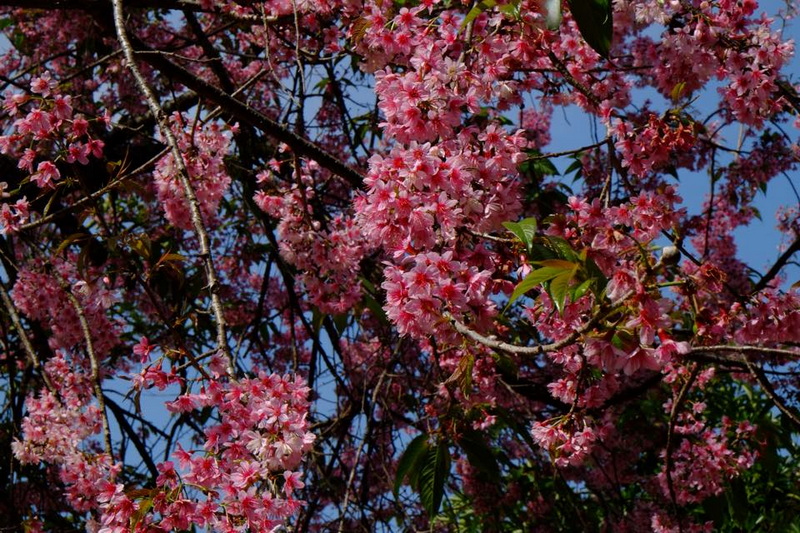
Connecting with the Hmong Village Guide Tradition
The Hmong village guide tradition represents a unique form of cultural transmission and hospitality. Guides are often lifelong residents who have inherited knowledge from elders, enabling them to share stories that weave together history, mythology, and contemporary life. Their narratives provide essential context for visitors, bridging gaps between cultures and generations.
This guide-led approach enhances the visitor experience by facilitating authentic interactions rather than superficial sightseeing. It also empowers the community by recognizing guides as custodians of intangible cultural heritage. Through their leadership, visitors gain a nuanced understanding of the Hmong’s social structures, language, and ceremonies, reinforcing the importance of cultural continuity in a rapidly changing world.
Nearby Attractions
Wat Phra That Doi Suthep
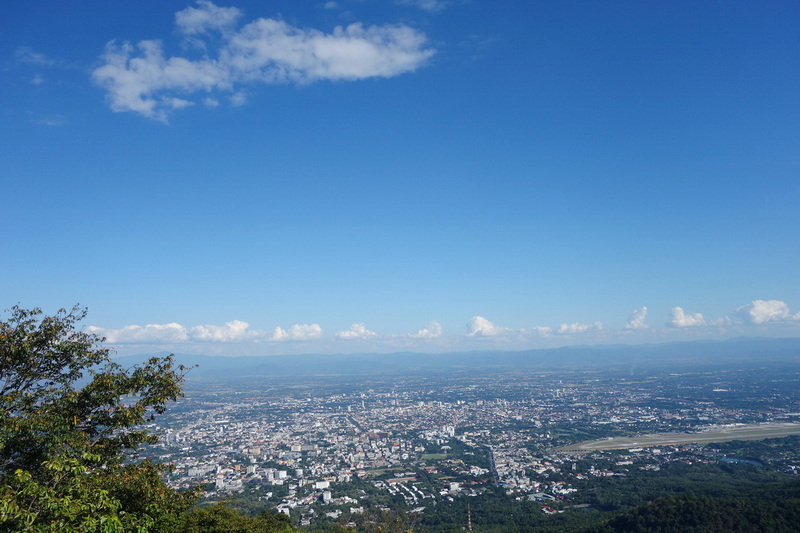
Wat Phra That Doi Suthep is one of northern Thailand’s most revered Buddhist temples, located atop Doi Suthep mountain near Chiang Mai. The temple complex features ornate golden chedis, intricate carvings, and sweeping views of the surrounding valley, offering both spiritual significance and architectural beauty.
For visitors to Ban Khun Chang Kian, this site provides valuable cultural context, highlighting the religious traditions that coexist alongside hill tribe customs. Pilgrims and tourists alike come here to pay respects, meditate, and enjoy the serene atmosphere. The temple’s connection to local communities enriches the broader understanding of northern Thailand’s cultural landscape.
Wat Pha Lad
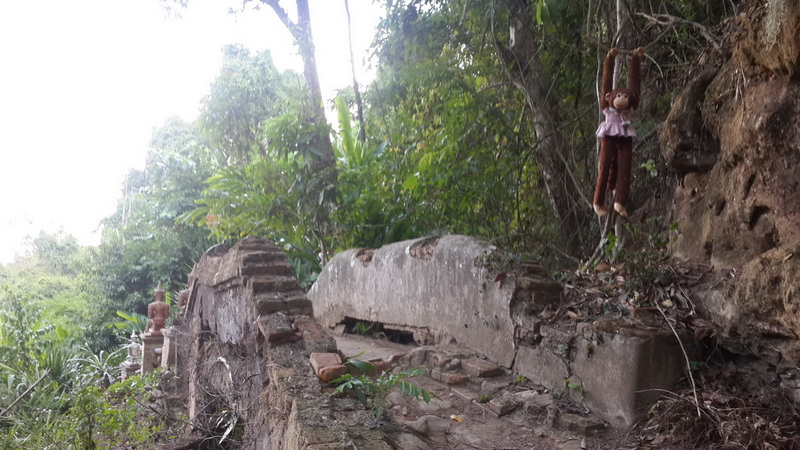
Wat Pha Lad is a tranquil temple nestled in the hills near Ban Khun Chang Kian, less frequented by tourists but deeply meaningful to local hill tribe residents. The temple’s peaceful grounds and modest structures offer a contrast to more prominent religious sites, emphasizing contemplation and community worship.
Visitors seeking to deepen their cultural experience find Wat Pha Lad a place of quiet reflection. Its proximity to the village allows for a seamless integration of spiritual and ethnographic exploration, illustrating the interconnectedness of religion and daily life within hill tribe societies.
Looking Ahead to Your Visit
Ban Khun Chang Kian stands as a compelling destination for travelers eager to engage with authentic hill tribe culture in northern Thailand. Through respectful interaction with local guides and an appreciation for the village’s traditions, visitors can experience a meaningful cultural exchange that honors the Hmong community’s heritage. Complemented by nearby spiritual sites like Wat Phra That Doi Suthep and Wat Pha Lad, this journey offers a rich tapestry of cultural insight and natural beauty. Choosing ethical and informed tourism practices ensures that Ban Khun Chang Kian remains a vibrant and living cultural treasure for generations to come.
Comments
Post a Comment