Wat Umong and Its Sacred Role in Chiang Mai City Tours
Discover the spiritual significance of Wat Umong and its place within the vibrant context of Chiang Mai city tours
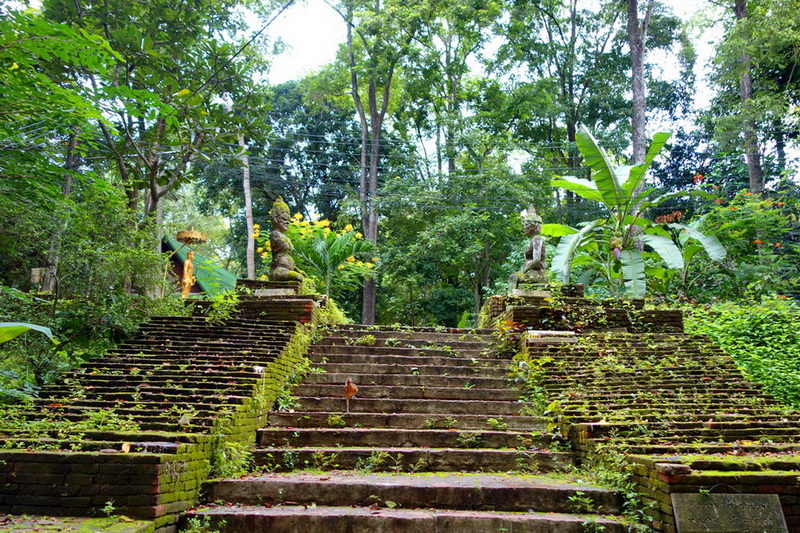
Nestled in the serene outskirts of Muang Chiang Mai, Wat Umong stands as one of the most sacred temples in Chiang Mai, offering travelers a profound glimpse into the spiritual heritage of northern Thailand. This unique temple, often called the U Mong Temple or Wat Umong Suan Putthatham, is distinguished by its tranquil forest setting and ancient tunnel shrines that invite reflection and calm. Unlike many urban temples, Wat Umong’s peaceful atmosphere encourages visitors to slow down and engage deeply with its spiritual essence. As part of a Chiang Mai city tour, Wat Umong provides a distinctive experience that contrasts with the bustling city center, making it a cherished stop for those seeking a thoughtful and culturally rich journey. This article explores the sacred features of Wat Umong, its architectural and cultural heritage, and its integration into the broader tapestry of Chiang Mai’s temple tours. Alongside Wat Umong, nearby attractions such as Wat Suan Dok and Nimmanhaemin Road enrich the visitor’s experience by offering complementary insights into the city’s spiritual and cultural landscape.
The Spiritual Heart of Wat Umong
Wat Umong is renowned for its deeply spiritual atmosphere, which has attracted monks, pilgrims, and travelers for centuries. The temple’s origins date back to the 14th century, founded during the Lanna Kingdom era, making it one of the oldest sacred sites in Chiang Mai. Its remote location amid lush greenery and the gentle sounds of nature create an environment conducive to meditation and contemplation, embodying the Buddhist principles of mindfulness and inner peace. Travelers researching Most Sacred Temples Chiang Mai can use these details when planning the trip.
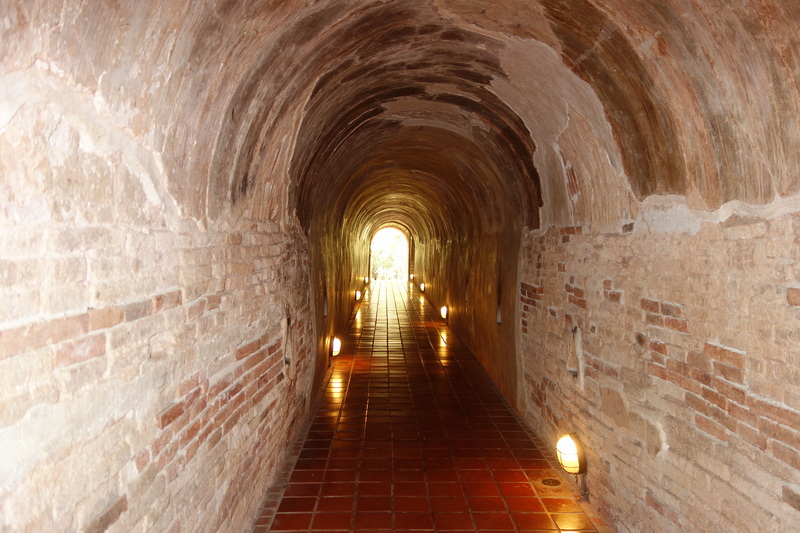
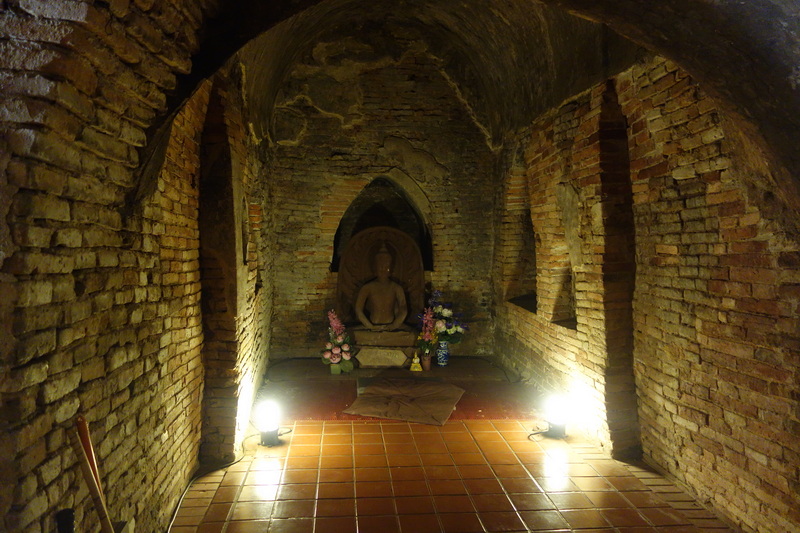
One of the temple’s most distinctive spiritual features is its network of ancient tunnels, carved into the earth and walls, where monks once lived and meditated in solitude. These tunnels, adorned with faded murals and Buddha images, symbolize the journey inward toward enlightenment. Visitors often walk through these dimly lit passages, experiencing a quiet connection to the past and the temple’s sacred purpose.
The temple grounds also include serene ponds, ancient chedis (stupas), and prayer halls that reflect the spiritual dedication that has been preserved throughout the centuries. Wat Umong’s emphasis on simplicity, natural harmony, and sacred geometry offers a powerful contrast to more ornate temples, inviting a reflective and calm approach to spirituality.
Architectural Heritage and Cultural Treasures of Wat Umong
Architecturally, Wat Umong is unique among Chiang Mai temples due to its rustic, earth-toned structures and integration with the natural forest environment. The temple’s main chedi has a distinctive bell shape, surrounded by smaller stupas, which reflect traditional Lanna design fused with practical adaptations to its woodland setting.
The tunnel system is an extraordinary feature rarely seen in other temples, designed not only for meditation but also for protection and solitude. These tunnels are a testament to the ingenuity of early Buddhist monks who sought to create a sacred space that harmonized with nature.
Cultural heritage is also visible in the temple’s artwork and inscriptions, which preserve Lanna-era scripts and iconography. The temple remains a living cultural site where local monks conduct rituals and teachings, offering visitors a glimpse of authentic Buddhist practice in northern Thailand.
Wat Umong’s peaceful gardens and shaded paths provide a setting for quiet reflection and cultural appreciation, encouraging visitors to connect with the temple’s historical and spiritual narratives.
Integrating Wat Umong into a Chiang Mai City Tour
While many city tours focus on the bustling markets and ornate temples within Chiang Mai’s old city walls, Wat Umong offers a complementary experience that enriches the overall journey. As one of the most sacred temples in Chiang Mai, it is often included in Chiang Mai city tours that aim to provide a balance between urban exploration and spiritual immersion.
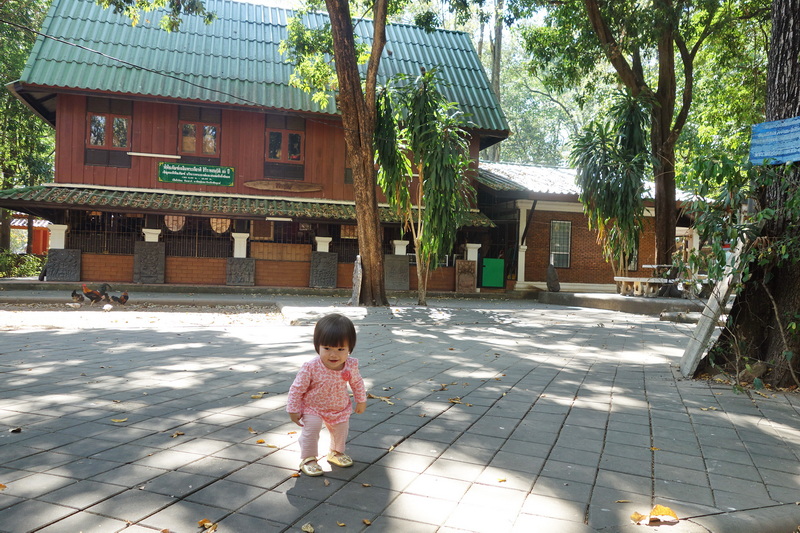
Tourists visiting Wat Umong as part of their tour in Chiang Mai find a welcome respite from the city’s energetic pace. The temple’s location in Muang Chiang Mai’s outskirts allows for a seamless transition from busy streets to tranquil natural surroundings, enhancing the visitor’s appreciation for the region’s spiritual depth.
The temple’s inclusion in a city tour also opens opportunities to explore nearby cultural sites and neighborhoods, making it a hub for understanding the broader context of Chiang Mai’s religious and cultural life. Guided tours often highlight the temple’s sacred aspects alongside its historical significance, ensuring travelers gain a holistic perspective.
For those on a Chiang Mai city tour, Wat Umong serves as a meaningful stop that encourages a slower, more reflective pace, complementing visits to other temples and cultural landmarks.
Nearby Attraction: Wat Suan Dok
Located not far from Wat Umong, Wat Suan Dok is another significant temple in Muang Chiang Mai known for its historical and religious importance. Founded in the 14th century, it serves as a royal temple and hosts important Buddhist ceremonies and university teachings.
Wat Suan Dok features a large central chedi that contains relics of the Buddha, attracting many pilgrims and visitors interested in the spiritual traditions of northern Thailand. The temple grounds are expansive, with serene gardens and several whitewashed stupas that house the ashes of Chiang Mai’s royal family.
Visitors combining Wat Umong and Wat Suan Dok in their itinerary experience a rich contrast: Wat Umong’s forested tranquility and ancient tunnels alongside Wat Suan Dok’s royal heritage and architectural grandeur. Together, they offer a layered understanding of Chiang Mai’s Buddhist culture.
Nearby Attraction: Nimmanhaemin Road
Just a short distance from Wat Umong, Nimmanhaemin Road represents the vibrant, modern side of Chiang Mai, providing an intriguing cultural counterpoint to the temple’s spiritual calm. Known for its trendy cafes, art galleries, and boutique shops, this area is a favorite among locals and tourists seeking contemporary culture and creative expression.
Nimmanhaemin Road’s lively atmosphere highlights the dynamic coexistence of tradition and modernity in Chiang Mai. Visitors can enjoy a peaceful morning at Wat Umong and then explore the bustling streets of Nimmanhaemin in the afternoon, experiencing both the sacred and the secular aspects of the city.
This nearby attraction enriches a Chiang Mai city tour by adding layers of cultural diversity and urban energy, making the journey through the region more comprehensive and engaging.
Nearby Attractions
Wat Suan Dok
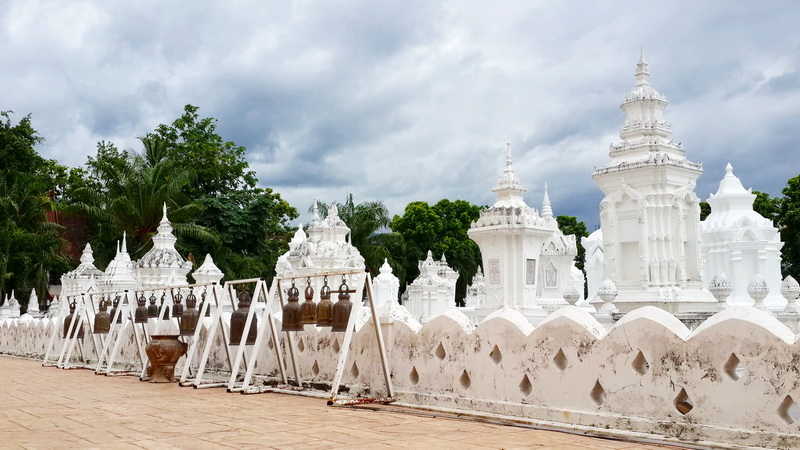
Wat Suan Dok is a historic royal temple located in Muang Chiang Mai, known for its large central chedi that enshrines relics of the Buddha. Established in the 14th century, the temple plays a vital role in northern Thailand’s Buddhist traditions and education.
The temple grounds are expansive and peaceful, featuring whitewashed stupas that serve as memorials for Chiang Mai’s royal family. Wat Suan Dok’s architecture reflects the Lanna style, and it continues to be an active site for religious ceremonies and monastic education.
Visitors to Wat Suan Dok gain insight into the spiritual and cultural heritage that complements a visit to Wat Umong, enhancing their understanding of Chiang Mai’s sacred landscape.
Nimmanhaemin Road

Nimmanhaemin Road is a popular cultural and creative district in Chiang Mai, offering an energetic contrast to the peaceful temple surroundings of Wat Umong. Known for its vibrant cafes, art spaces, and boutique shops, this area attracts a diverse crowd of locals and tourists.
The road embodies the modern spirit of Chiang Mai, blending contemporary lifestyles with traditional northern Thai culture. Visitors often enjoy this area for shopping, dining, and experiencing the city’s youthful and artistic vibe.
Including Nimmanhaemin Road in a Chiang Mai city tour provides a well-rounded experience, allowing travelers to appreciate both the spiritual heritage and the dynamic urban culture of the city.
Looking Ahead to Your Visit
Wat Umong stands as a testament to the enduring spiritual traditions of Chiang Mai, inviting visitors to engage with its sacred spaces through quiet reflection and respectful appreciation. Its unique architectural features and forest setting create a serene environment that contrasts beautifully with the lively city life nearby. As part of a Chiang Mai city tour, Wat Umong enriches the journey by offering a place of calm and spiritual depth amidst the cultural vibrancy of the region. Together with nearby attractions like Wat Suan Dok and Nimmanhaemin Road, it forms a meaningful narrative of Chiang Mai’s rich blend of history, spirituality, and modern culture, making any visit a thoughtful and memorable experience.
Comments
Post a Comment