Ban Yang Pu Toh Jungle Trekking and Village Day Trips in Chiang Dao
Discover immersive jungle trekking and cultural village experiences on the best day trips around Chiang Dao
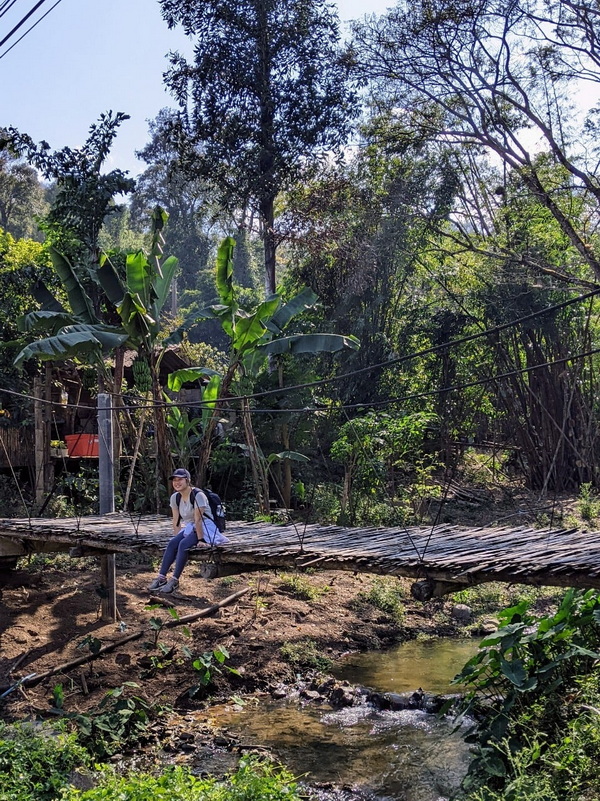
Nestled in the lush mountainous region of Chiang Dao Chiang Mai, Ban Yang Pu Toh offers a unique gateway to authentic jungle trekking and cultural exploration. This village is a highlight among the best villages to visit in Chiang Mai, blending natural beauty with deep-rooted traditions. Travelers seeking an adventurous day out will find the Chiang Dao 1 Day Jungle Trekking Tour an ideal way to experience both the dense forest terrain and the welcoming village life. Exploring Ban Yang Pu Toh allows visitors to connect with the local hill tribe culture while enjoying the tranquility of the surrounding wilderness. Chiang Mai sightseeing often focuses on urban temples and markets, but venturing into the Chiang Dao area provides a refreshing contrast—wild jungle trails, serene village atmospheres, and opportunities to learn about traditional ways of life. Ban Yang Pu Toh is especially noted for the harmony between its natural environment and cultural heritage. This article guides travelers on what to expect from jungle trekking routes, the cultural significance of Ban Yang Pu Toh, and how to combine these experiences with nearby natural attractions for a fulfilling day trip.
Jungle Trekking Experience Around Ban Yang Pu Toh
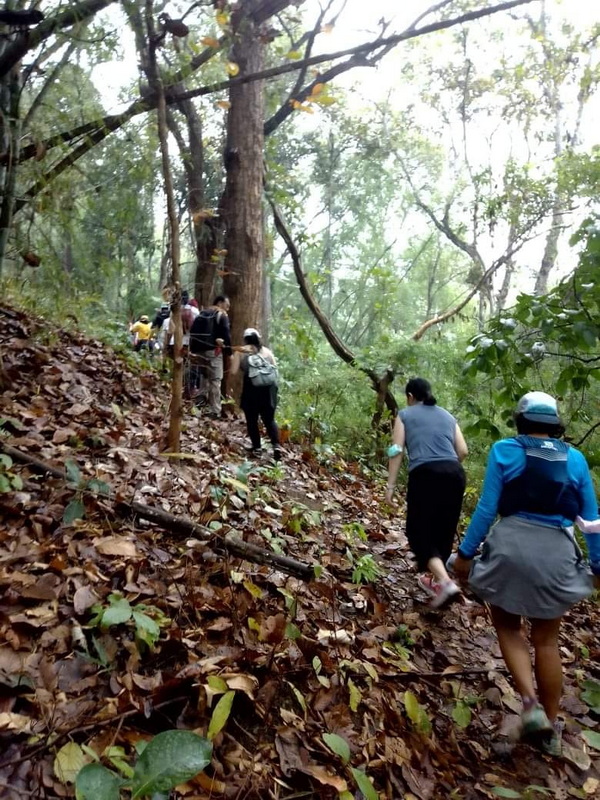
The jungle trekking routes near Ban Yang Pu Toh offer a moderately challenging adventure through dense forest, limestone hills, and vibrant flora and fauna typical of the Chiang Dao region. Trails vary from shaded paths along streams to steeper ascents that reward trekkers with sweeping views of the valley below. The environment is humid and lush, with towering trees and occasional wildlife sightings, requiring sturdy footwear and a reasonable fitness level.
A typical Chiang Dao 1 Day Jungle Trekking Tour includes navigating narrow trails that meander through the jungle canopy, crossing small rivers and bamboo groves. Along the way, trekkers encounter remnants of ancient caves and limestone formations that add geological interest to the hike. The physical demands of the trek are balanced by frequent opportunities to pause and absorb the natural surroundings, making it accessible to both novice and experienced hikers.
The jungle environment here is carefully preserved by local communities who rely on sustainable practices to maintain the forest’s health. Visitors are encouraged to respect trail guidelines, avoid disturbing wildlife, and minimize their environmental footprint. This commitment to conservation ensures that the jungle trekking experience remains authentic and unspoiled for future adventurers.
Cultural Significance of Ban Yang Pu Toh Village
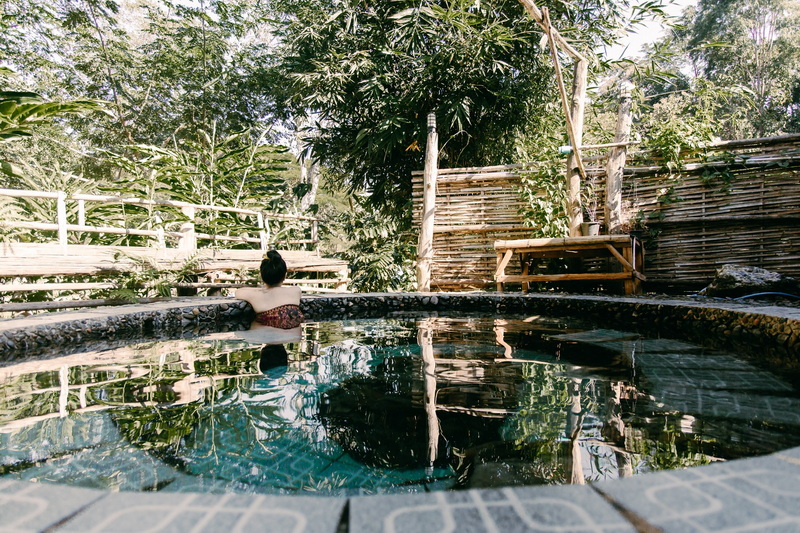
Ban Yang Pu Toh is more than just a trekking destination; it is a living community rich in cultural heritage. The village is home to hill tribe groups whose traditions have been carefully maintained over generations. Visitors can witness traditional weaving, handicrafts, and daily rituals that offer insight into the villagers’ close relationship with their environment and ancestors.
The village’s name itself reflects its connection to nature, with “Yang Pu Toh” referring to a type of local tree that has spiritual and practical importance. The villagers’ respect for these natural resources is evident in their sustainable farming and forest stewardship practices. This cultural mindfulness enriches the visitor experience, offering a glimpse into a way of life that harmonizes human activity with ecological balance.
Engaging with Ban Yang Pu Toh’s community presents an opportunity for meaningful cultural exchange. Travelers are encouraged to approach with respect and openness, honoring the dignity and privacy of the residents. By doing so, visitors contribute to preserving the village’s authenticity and support ethical tourism that benefits the local people.
Exploring the Best Villages To Visit In Chiang Mai Region
While Ban Yang Pu Toh stands out for its jungle trekking and cultural offerings, the Chiang Mai region boasts several other villages that enrich the day trip experience. Each village has its own unique traditions, crafts, and natural settings, providing a diverse palette of cultural exploration.
Villages such as those near Chiang Dao blend agricultural lifestyles with artisanal crafts, often centered around weaving, pottery, and traditional farming techniques. Visiting these villages complements the trekking experience by adding layers of cultural understanding and local interaction. Many villages also participate in ecotourism initiatives that promote environmental education and community welfare.
For travelers seeking a full day of sightseeing, combining village visits with jungle trekking creates a well-rounded itinerary. This approach reveals the interconnectedness of nature and culture in Northern Thailand, illustrating how communities have adapted to and thrived in the mountainous landscapes.
Nearby Natural Attractions to Enhance Your Chiang Mai Sightseeing
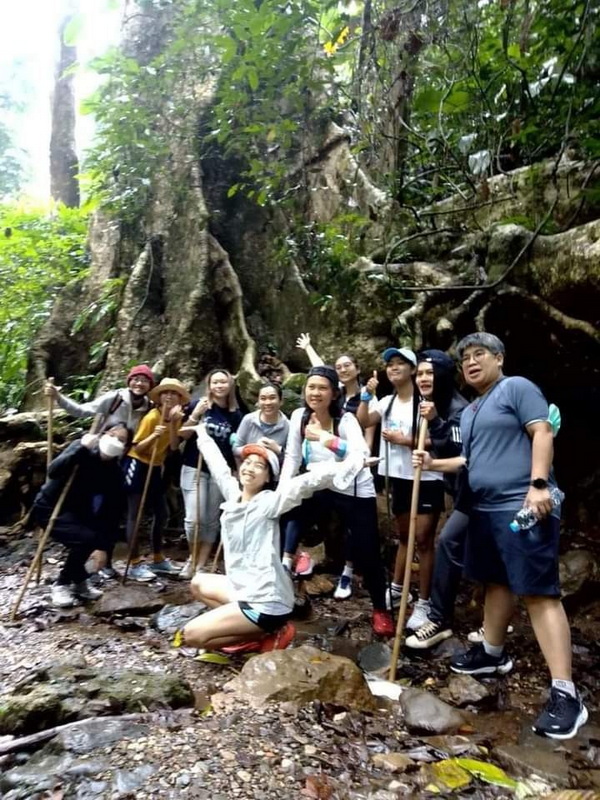
In addition to the immersive jungle and village experience, the Chiang Dao area offers remarkable natural attractions that can be incorporated into a day trip itinerary. Pha Daeng National Park is a nearby sanctuary known for its rugged karst mountains, diverse wildlife, and scenic viewpoints. Hiking in this park provides further opportunities to explore Thailand’s northern ecosystems beyond the immediate vicinity of Ban Yang Pu Toh.
Tham Chiang Dao, another nearby highlight, is one of the largest cave systems in the region. Its extensive chambers and stalactite formations draw both casual visitors and serious spelunkers. The cave holds spiritual significance and is often included in Chiang Mai sightseeing for its natural wonder and cultural relevance.
Combining visits to these sites with a jungle trekking tour and village sightseeing enriches the travel experience, offering a balance of adventure, nature, and cultural insight. These attractions are accessible from Ban Yang Pu Toh and provide a compelling reason to spend a day exploring the broader Chiang Dao region.
Nearby Attractions
Pha Daeng National Park
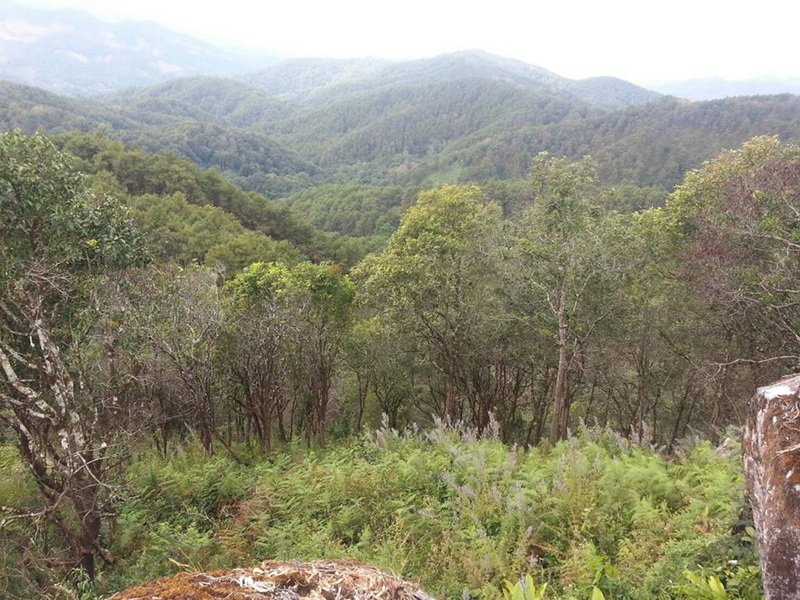
Pha Daeng National Park is a protected area characterized by dramatic limestone cliffs, dense evergreen forests, and a variety of wildlife species. It offers well-maintained trails suitable for day hikes and nature observation. The park’s elevated viewpoints reward visitors with panoramic vistas of the surrounding valleys and distant mountains.
Visitors to Pha Daeng can enjoy birdwatching, spotting endemic plant species, and experiencing the tranquility of a relatively undeveloped natural area. The park’s proximity to Ban Yang Pu Toh makes it an ideal complement to jungle trekking tours, allowing travelers to deepen their connection with Chiang Dao’s diverse ecosystems.
Tham Chiang Dao
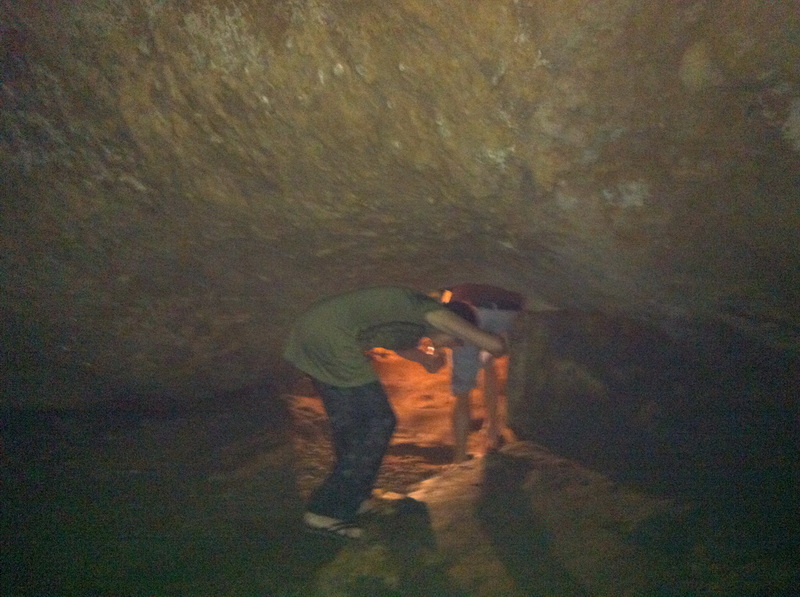
Tham Chiang Dao is a vast limestone cave complex renowned for its impressive stalactites, stalagmites, and underground passages. The cave system holds spiritual importance and is home to several shrines and meditation sites. Exploring the cave offers a fascinating contrast to jungle trekking, inviting visitors into a mysterious subterranean world.
Guided walks through Tham Chiang Dao reveal geological formations shaped over millennia, as well as insights into local myths and religious practices. The cave’s cool interior provides a natural refuge from the tropical heat, making it a refreshing stop during a day of sightseeing around Chiang Dao.
Looking Ahead to Your Visit
Ban Yang Pu Toh stands as a compelling destination for travelers eager to combine the thrill of jungle trekking with the richness of authentic village culture. The blend of natural challenges and cultural encounters creates a memorable journey that highlights the best villages to visit in Chiang Mai and the surrounding region. Incorporating nearby attractions like Pha Daeng National Park and Tham Chiang Dao further enhances the experience, offering diverse landscapes and meaningful exploration. For those planning a day trip or a short excursion, the Chiang Dao 1 Day Jungle Trekking Tour centered around Ban Yang Pu Toh provides an ideal balance of adventure, education, and respectful cultural engagement. Through mindful travel practices and appreciation of local traditions, visitors contribute to the preservation of this remarkable area, ensuring its stories and natural beauty endure for generations to come.
Comments
Post a Comment